As America Marks 250 Years, This Toad Is Vanishing. Can Texas Save It?
Forbes By Noël Fletcher Noël Fletcher reports on urgent conservation efforts by ARC and partners to save the Endangered Houston toad, including the release of more than 1 million eggs in Central Texas as habitat loss continues to threaten the species’ survival. Read Full Article
Why scientists are racing to catch this rare NC salamander
PBS North Carolina, Sci NC By Frank Graff PBS North Carolina features ARC Executive Director JJ Apodaca and partners in a segment on emergency efforts to rescue the Hickory Nut Gorge green salamander following Hurricane Helene, documenting the work to establish a captive breeding program to safeguard this imperiled species. Watch Full Piece
Long-term toad recovery underway at Bastrop State Park
Elgin Courier By Dylan Roddy Dylan Roddy covers ARC’s partnership in the release of more than 1 million Houston toad eggs at Bastrop State Park, showcasing long-term recovery efforts focused on habitat restoration and private landowner engagement to help recover the Endangered species. Read Full Article
The tiny frog that could: How Arizona is pulling a threatened species back from the edge
Arizona Mirror By Jerod MacDonald-Evoy Jerod MacDonald-Evoy highlights the ARC team and partners creating new wetlands for the Threatened Chiricahua leopard frog in Arizona, quoting ARC Southwestern Program Coordinator Becca Cozad about efforts to support the species’ recovery amid ongoing drought and disease threats. Read Full Article
Salvaging the Frosted Flatwoods Salamander’s Breeding Season in Florida and Georgia
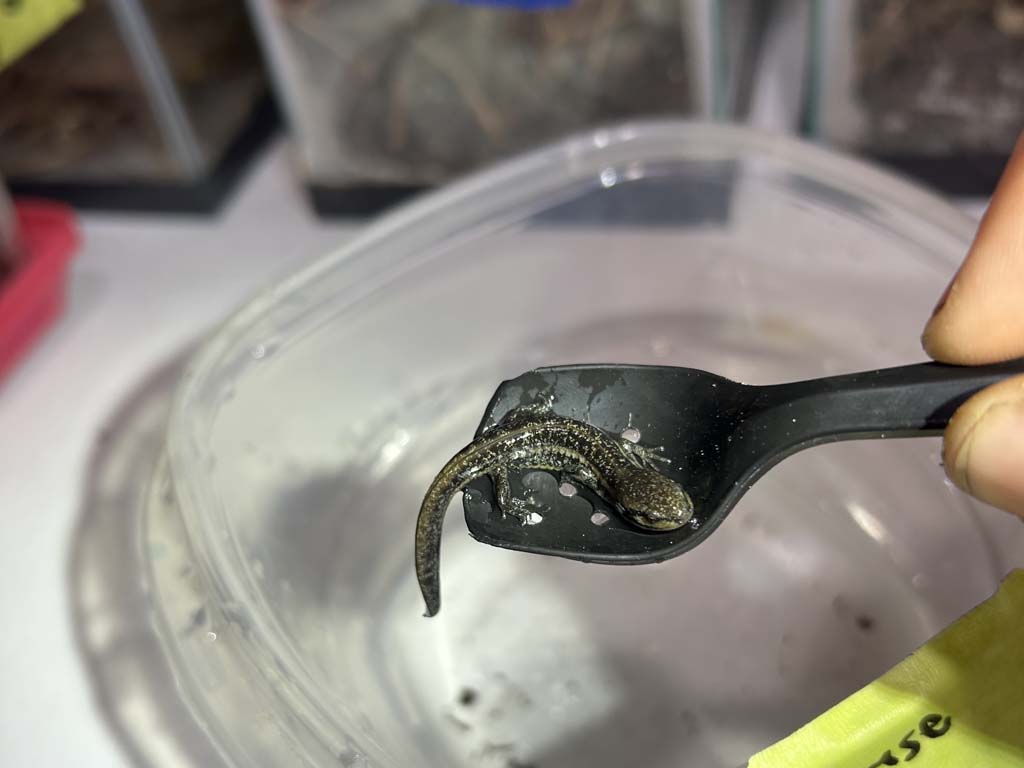
In dry depressions in the Florida Panhandle, ARC Biologists and partners have been building miniature wetlands by hand.
1 million Houston toad eggs released in Central Texas to help the native species make a comeback
Houston Public Media By Kyle McClenagan Kyle McClenagan features a quote from ARC Private Lands Biologist Zach Truelock about our work with partners to recover the Endangered Houston toad in Central Texas, including the recent release of more than 1 million eggs. Read Full Article
1 million Houston toad eggs released in Austin-area state park in restoration effort
Houston Chronicle By Michael Garcia Michael Garcia covers ARC’s partnership in efforts to recover the Endangered Houston toad in Texas, featuring the release of more than 1 million eggs and a quote from ARC Private Lands Biologist Zach Truelock. Read Full Article
Saving the Houston toads: More than a million eggs being released at three different locations
KHOU 11 By Randy Klein Randy Klein reports on ARC’s partnership with Texas Parks and Wildlife, the Houston Zoo, and the US Fish and Wildlife Service to recover the Endangered Houston toad through captive breeding and ongoing habitat restoration efforts. Read Full Article
Search and Rescue
Nature Conservancy Magazine By Ashley Stimpson Ashley Stimpson joins ARC Executive Director JJ Apodaca and partners in the field to document efforts to locate and rescue the rare Hickory Nut Gorge green salamander following hurricane damage in North Carolina. Read Full Article
Conservation group’s map highlights cool animals right in your backyard
KHQA ABC7 Local News By Cassie Schoene Cassie Schoene highlights ARC’s new United States of Herpetofauna map featuring a reptile or amphibian for each state and quotes Executive Director JJ Apodaca about the threats these species face and how to protect them. Read Full Article
More Than One Million Endangered Houston Toad Eggs Released in Texas State Park, With Toadlets Now Emerging
Conservation partners released more than one million Endangered Houston toad eggs in Bastrop State Park during March and April, and toadlets… Read Full Press Release
From the Ground Up: Houston Toad Recovery Through Habitat Restoration and Egg Releases
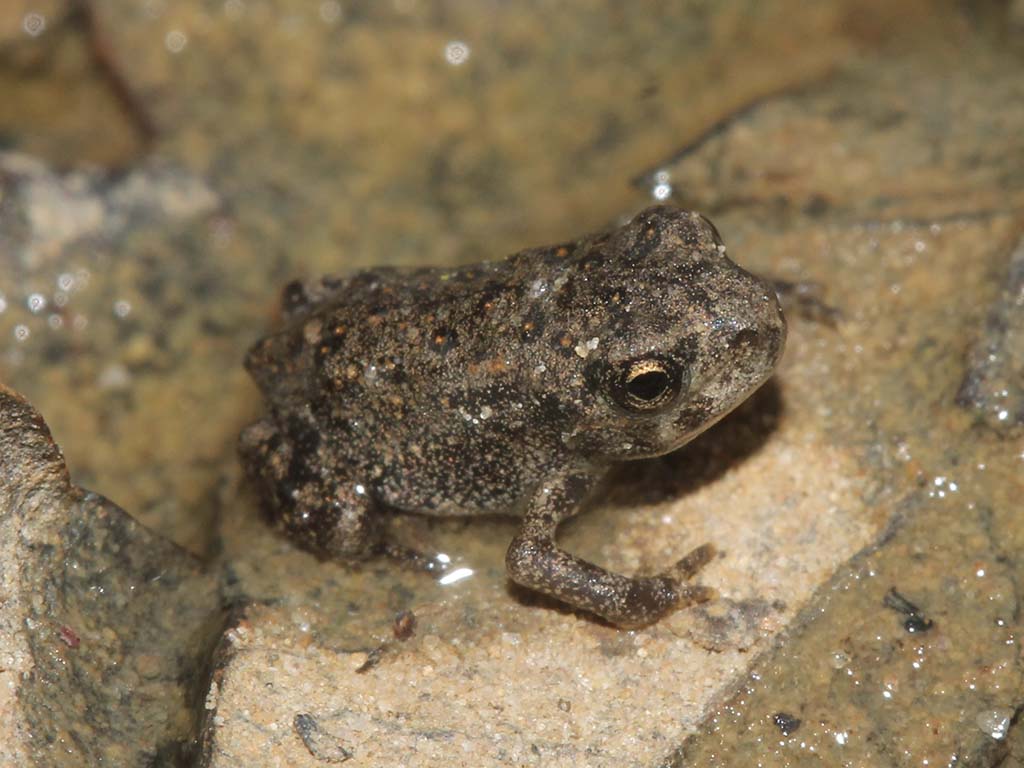
“Within a few weeks, eggs in the water became thousands of tiny toadlets moving out into the landscape,” ARC Private Lands Biologist Zach Truelock said.
Upcoming Restoration of Arizona Wetlands: Lifeline for At-Risk Wildlife
Six ponds in Arizona’s White Mountains will be restored beginning at the end of April to support the survival of wildlife… Read Full Press Release
Mapping Amphibian and Reptile Protection from Coast to Coast
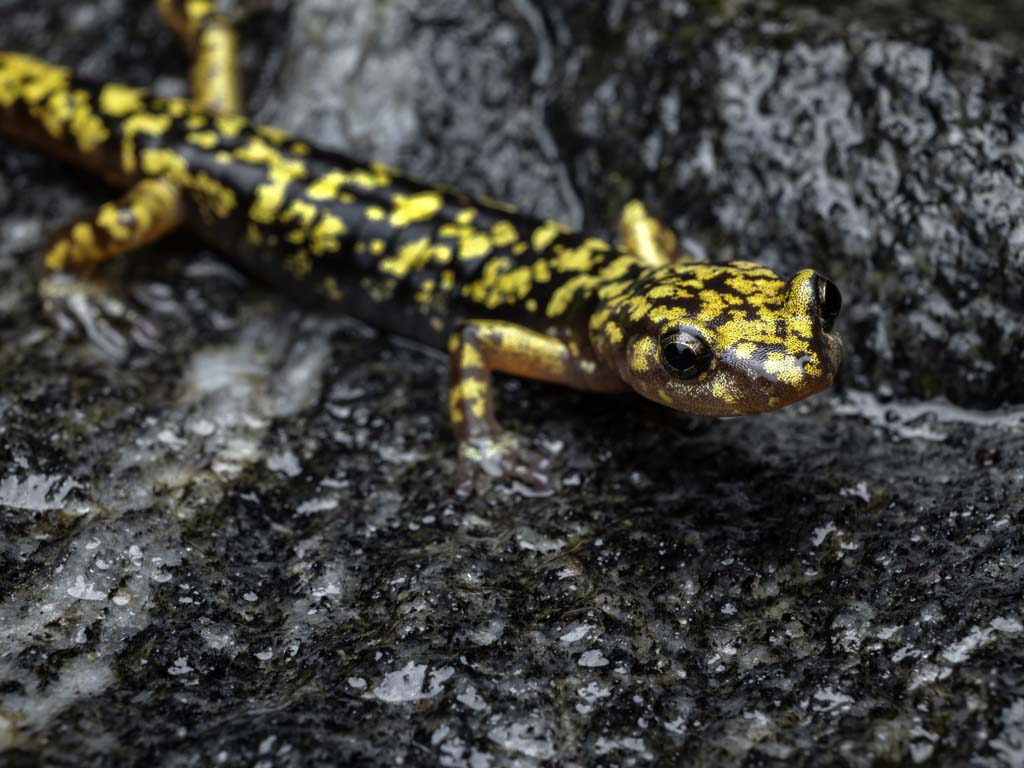
Every region of the United States has its icons. Mountains. Rivers. Foods. Sports teams. But they also have wildlife species that define their character, even if most people never see them.
Crew of two saves rare salamanders from drying up at Fort Stewart
Savannah Morning News By Jillian Magtoto Jillian Magtoto covers the ARC team’s documentation and recovery of the frosted flatwoods salamander in Georgia, where adults had not been seen for nearly two decades before our 2023 detection. Read Full Article
After 17 Years, a Threatened Salamander Is Rediscovered at Fort Stewart, and Its Recovery Is Underway
A federally listed Threatened amphibian that hadn’t been seen in Georgia in its adult form for nearly two decades has reemerged… Read Full Press Release
The Hidden Risks of Sharing Your Observations: Safeguarding Wildlife in the Digital Age
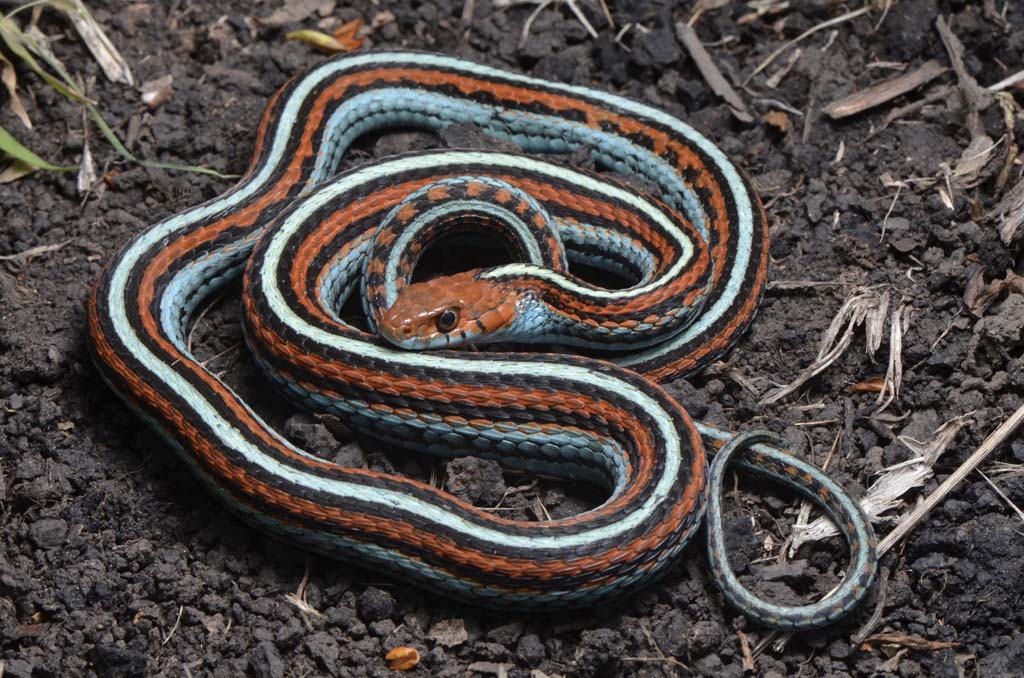
“When I first realized that the information I was sharing could be exploited by poachers, I felt conflicted.”
What does an inbred frog have to do with South Carolina’s wetlands?
Greenville News By Travis Jacque Rose Travis Jacque Rose features the ARC team in his article on Carolina gopher frogs in South Carolina, examining how drought, habitat loss, and reduced wetland protections are disrupting breeding for this state-endangered species. Read Full Article
What does the future look like for SC’s wetlands? Inbred frogs may hold some clues.
The Post and Courier By Jonah Chester Jonah Chester profiles ARC’s efforts to safeguard Carolina gopher frogs in South Carolina, showcasing our team, partners, and targeted actions that are helping this species survive in increasingly degraded and fragmented wetlands. Read Full Article
Farmers as Stewards: Private Lands Conservation for Salamanders and Ecosystems

“What happens on one property does not stop at the fence line. Streams connect neighbors and entire watersheds, and if everyone assumes someone else will take care of them, these systems continue to degrade.”
New National Framework Brings Imperiled Salamander Recovery to Private Lands
People across the US depend on farmers to produce food, and now some of those same farmers are playing a critical role in safeguarding… Read Full Press Release
Headstart the Holidays: Building Resilience for Imperiled Wildlife
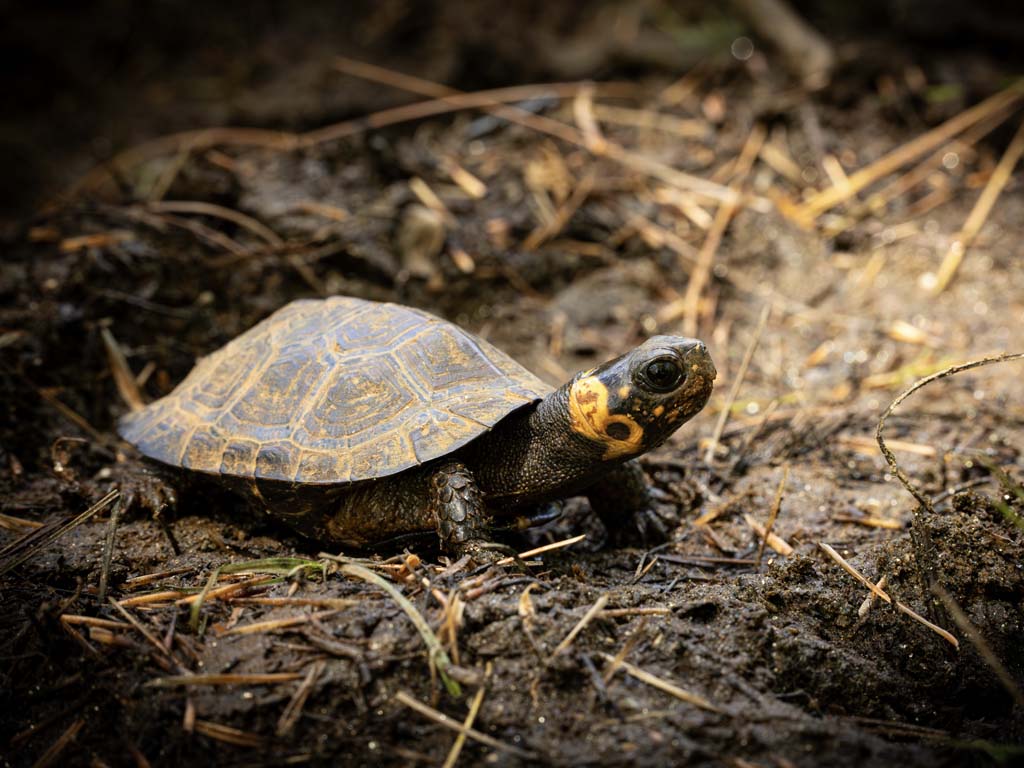
“We found them. They survived the destruction from Hurricane Helene. And now, hopefully they’ll continue to grow and make bog babies of their own one day!”
Emilly Nolan, Southern Appalachians Program Coordinator, recalled her elation when, this summer, our team recaptured headstarted bog turtles we’d released back into the wild the previous year in North Carolina. They made it through the state’s most destructive hurricane, and they were still there.
Staying the Course for Amphibians and Reptiles During the Government Shutdown
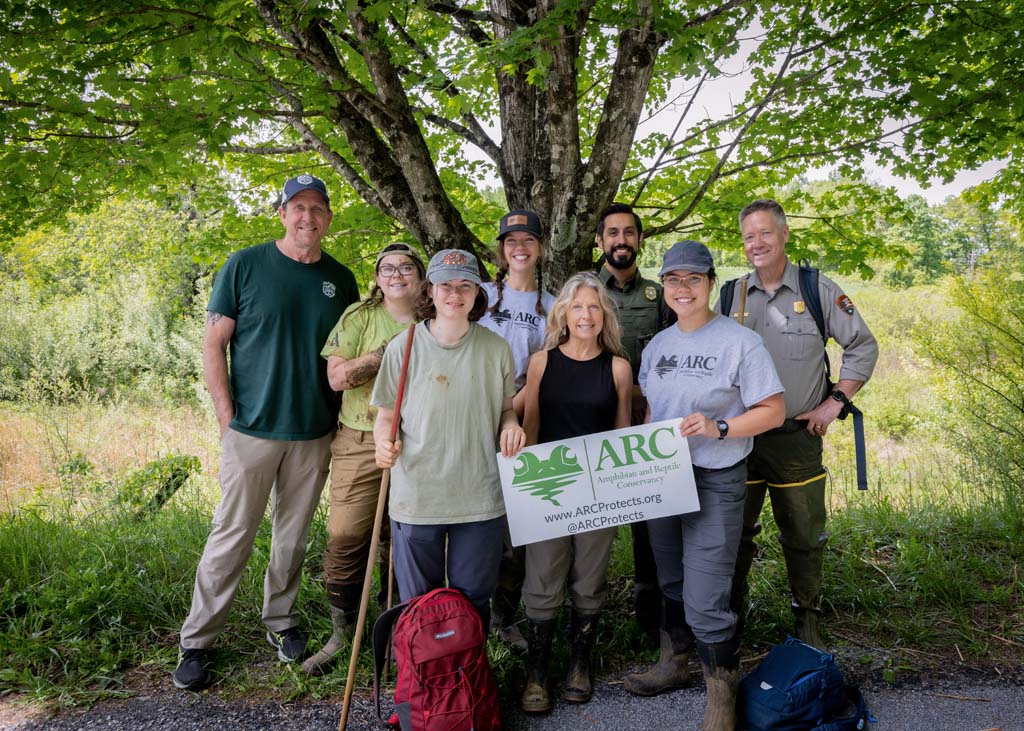
On October 1, 2025, the federal government entered a shutdown after Congress did not pass new funding bills. Many essential services continue, but a large number of federal workers are furloughed and programs are suspended.
Where Restoration Meets Recovery: Protecting Amphibians and Reptiles in the Florida Panhandle
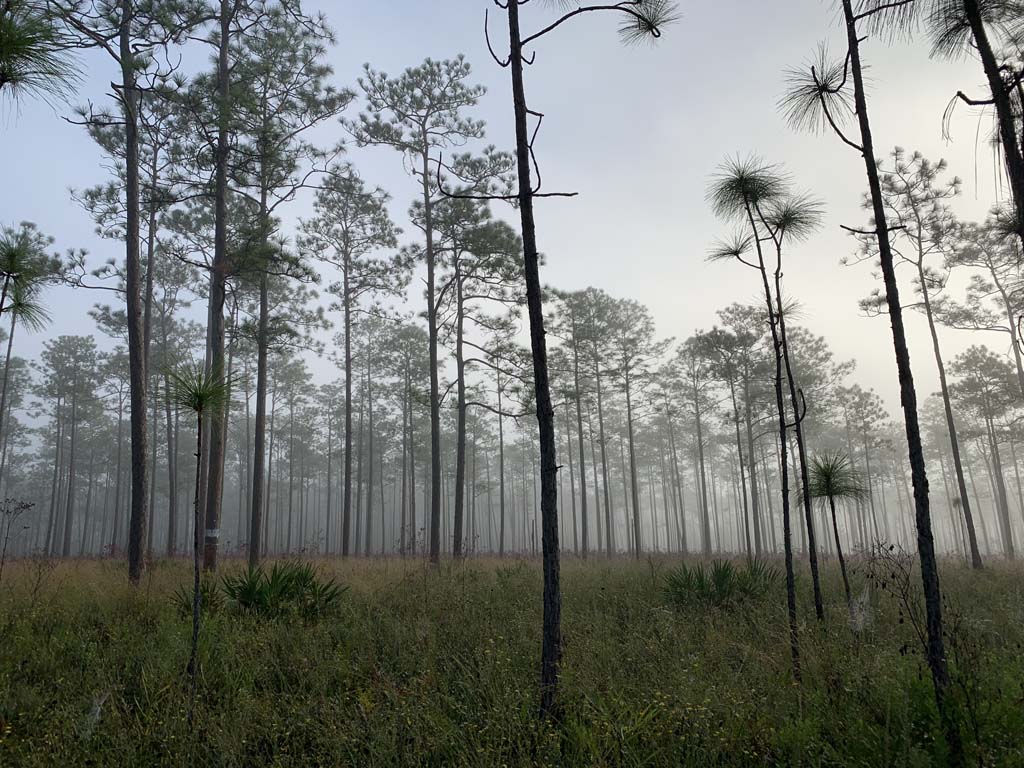
“It’s challenging and overwhelming at first, but the visual, quantifiable results are really satisfying, not to mention vital for the wildlife here.” That’s how Nicole Dahrouge, ARC Project Coordinator, described restoring habitats in the PARCAs (Priority Amphibian and Reptile Conservation Areas) of Florida’s Panhandle.
Inside the audacious mission to bring a rare toad back from the brink
Vox By Christine Peterson Christine Peterson features ARC Private Lands Biologist Zach Truelock and our partners in her piece on efforts to save the Endangered Houston toad through assisted reproduction, private landowner partnerships, and large-scale habitat restoration. Read Full Article
Is the Endangered Species Act Broken? Scientists Say Acting Early Is the Key to Saving Imperiled Species
As debate intensifies over recent changes to the Endangered Species Act (ESA), scientists are emphasizing that waiting until species are… Read Full Press Release
One Year After Helene, North Carolina Residents Reflect on the Storm and Look to the Future
Garden and Gun By JJ Apodaca from reflections compiled by Lindsey Liles Executive Director JJ Apodaca reflects on ARC’s efforts to rescue Hickory Nut Gorge green salamanders and protect rivers after Hurricane Helene and the ways Southern Appalachia’s communities are rebuilding stronger and more resilient. Read Full Article
Don’t Miss Your Chance to Win: Strike Now and Enter our Free Prize Giveaway
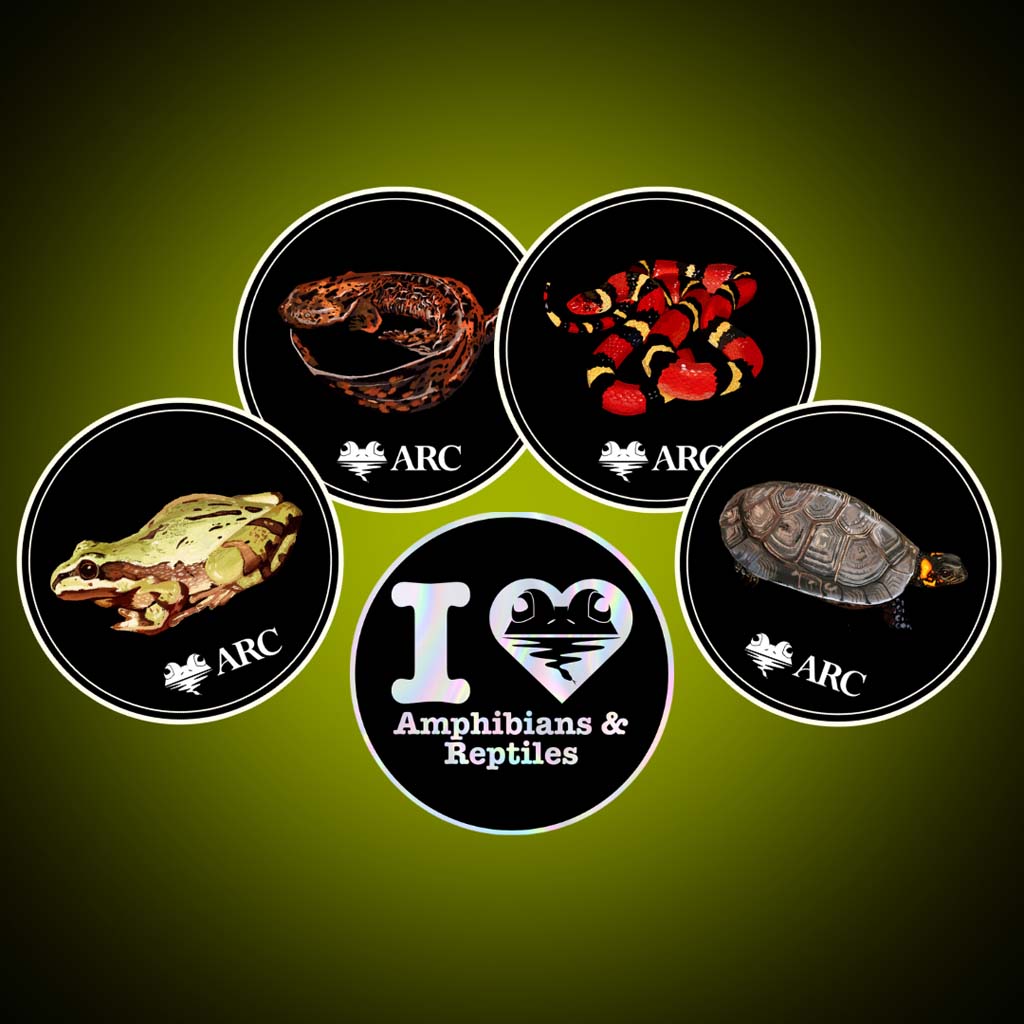
Strike now to help amphibians and reptiles by entering our free Prize Giveaway sweepstakes and sign up for our e-newsletter, The ARC’ives, by October 23, 2025. If you’re already a subscriber, you’re already in the running!
Rescuing salamanders from hurricane destruction
The Wildlife Society By Joshua Rapp Learn Joshua Rapp Learn reports on the efforts, led by ARC Executive Director JJ Apodaca, to rescue the critically imperiled Hickory Nut Gorge green salamander after Hurricane Helene destroyed much of its habitat. Read Full Article
Being Proactive to Improve the Fate of Imperiled Species under the Endangered Species Act
Conservation works best when it addresses issues before they become crises, rather than scrambling to respond to them. Too often, efforts begin only after populations have plummeted and habitats have vanished, when recovery becomes far more costly and difficult.
The Power of Landowners: Amphibian and Reptile Protection Beyond Property Lines
A recent journal article makes it clear: preventing extinctions and ensuring healthy ecosystems will require the use of every possible conservation tool, deployed widely across property lines. This is a departure from the conservation strategy of the past, even from just a few decades ago. Historically, protecting nature has often meant focusing our efforts in the public lands we’ve set aside for this purpose. Now, we’re starting to realize how misguided that notion is.
The US has a bullfrog problem
Vox By Benji Jones Benji Jones outlines how invasive American bullfrogs are wreaking ecological havoc in the Western US and includes the perspective of ARC Executive Director JJ Apodaca about the outsized impact these predators have on native species. Read Full Article
Conservationists Undertake Rescue After North Carolina’s Most Destructive Hurricane Threatens One of the World’s Rarest Salamanders
One of the most endangered amphibians on Earth is being given a fighting chance after landslides triggered by Hurricane Helene… Read Full Press Release
Scientists are trekking into the heart of a hurricane disaster zone — to save these rare creatures
Vox By Benji Jones Benji Jones features our rescue missions of the critically imperiled Hickory Nut Gorge green salamander following Hurricane Helene, alongside our partners, with ARC Executive Director JJ Apodaca leading efforts to collect and safeguard the remaining individuals from destroyed habitats. Read Full Article
Road to glory: The eastern box turtle’s path to state symbol status
Word from the Smokies ColumnAsheville Citizen Times By Holly Kays Holly Kays reports on the eastern box turtle’s path to becoming the state reptile in both Tennessee and North Carolina, with ARC Executive Director JJ Apodaca weighing in on the turtle’s cultural and ecological significance. Read Full Article
From Discovery to Disaster: Recovering the Recently Described Hickory Nut Gorge Green Salamander After Hurricane Helene

There is perhaps no other species on Earth that I feel more connected to than the Hickory Nut Gorge green salamander (Aneides caryaensis). That connection goes beyond a simple fondness or professional interest; it’s personal, deep, and shaped by a history I never could have predicted.
Drought Resistant: Helping Amphibians Weather the Storm When There’s No Storm
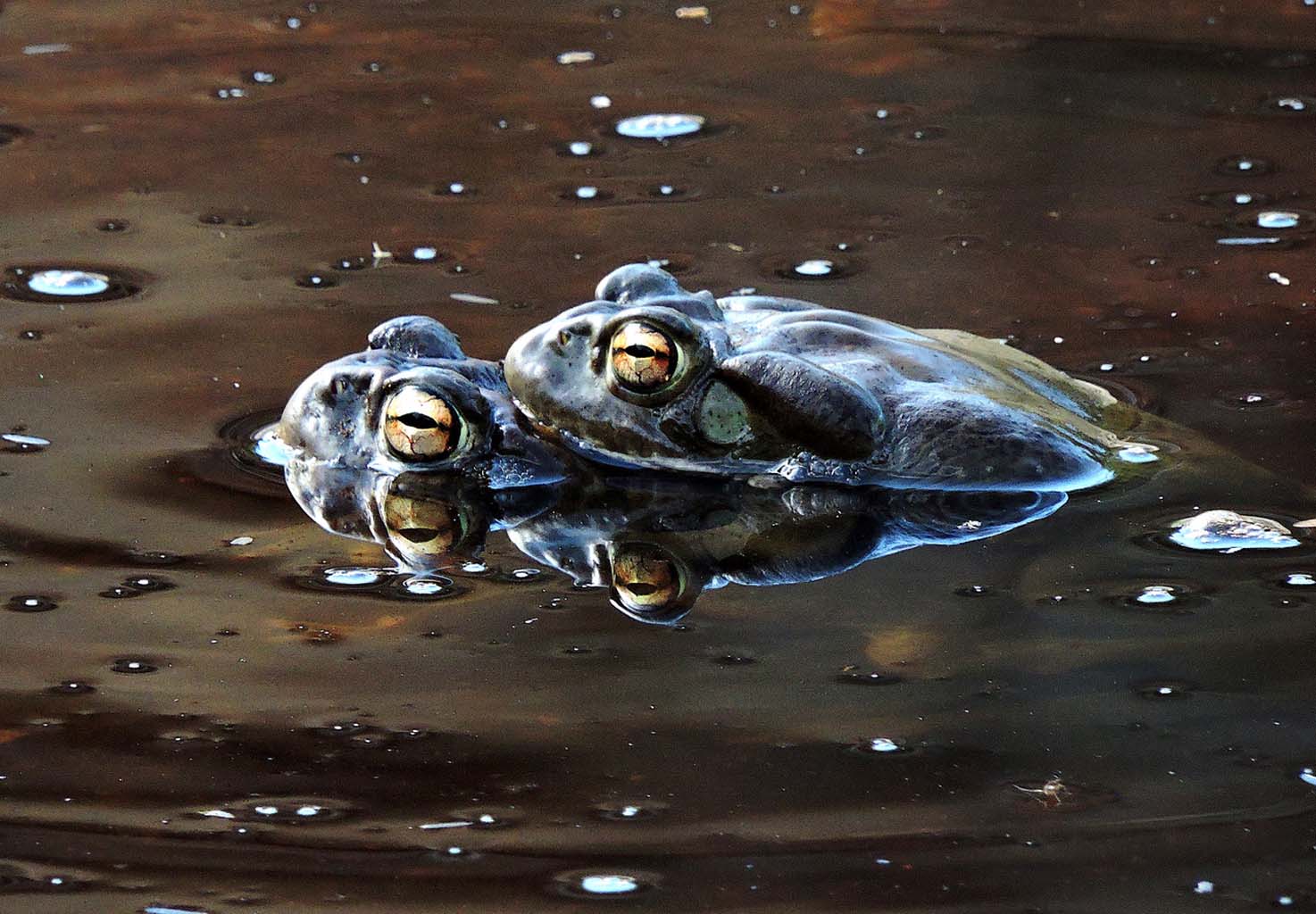
“We’ve missed hearing our gopher frogs call,” said Sydney Sheedy, ARC Assistant Field Project Manager in the Francis Marion PARCA (Priority Amphibian and Reptile Conservation Area), South Carolina. “Even the more common frog species here have been quieter than usual. It’s just so dry.”
Biologists release 1,200 salamanders in restored Panhandle wetlands
Tallahassee Democrat By Stephanie Haan-Amato ARC Communications Director Stephanie Haan-Amato discusses the work of ARC Biologists to release more than 1,200 frosted flatwoods salamanders into restored Florida wetlands as part of a comprehensive effort to save one of North America’s most endangered amphibians. Read Full Article
Amid Damage From Helene, Hellbenders May Get Endangered Species Listing
National Parks Traveler By Holly Kays Holly Kays covers the proposed listing of the eastern hellbender as an Endangered species and discusses the threats to the giant salamander with ARC Executive Director JJ Apodaca. Read Full Article
No, Geneticists Didn’t Bring Back Dire Wolves, but Genetic Techniques Can Help Save At-Risk Species
On April 7th, 2025, Colossal, a company using genetic tools to resurrect extinct species, announced they had “successfully restored a once-eradicated species through the science of de-extinction.” In other words, they claimed to have brought back a species extinct for over 10,000 years.
1,200 Rare Salamanders Released in Florida Days After 42 Snakes Were Set Free in the State
People By Kelli Bender Kelli Bender covers the recent release of more than 1,200 frosted flatwoods salamander larvae (like tadpoles) into restored Florida Panhandle wetlands by ARC Biologists and partners. Read Full Article
Florida is full of expensive restoration projects. Conservation would be cheaper.
Florida Phoenix By Craig Pittman In his commentary column, Craig Pittman discusses the recovery of the frosted flatwoods salamander in the Florida Panhandle and how these costly efforts could have been avoided. Read Full Article
If You Smell Cucumber in the Woods, Is There a Copperhead Nearby?
Garden & Gun By Lindsey Liles Lindsey Liles fact-checks the old Southern saying that if you smell cucumber in the woods there’s a copperhead nearby and includes quotes from ARC Executive Director JJ Apodaca. Read Full Article
1,200+ Salamanders Released in Restored Panhandle Wetlands to Help Prevent Extinction
Last week, biologists released their 1,204th federally-listed Threatened frosted flatwoods salamander larva (like a tadpole) into a restored Florida Panhandle wetland… Read Full Press Release
Safeguarding the Symphony: Protecting Common Species While They’re Still Common

Ecosystems are like symphonies, each species like an instrument. Some are bold and loud; others are subtle and quiet.
In conservation efforts, imperiled species tend to be the soloists, getting all the attention. But common species are the percussion, strings, and winds. If we lose them, the music is no longer harmonious.
Fighting Fire with Fire: Prescribed Burns and Thinning Protect Wildlife and People
As wildfires burn across more of the US—lasting longer each year and increasing in both frequency and intensity—they’re taking an immense toll… Read Full Press Release
Silenced by Suppression: The Role of Fire in Amphibian and Reptile Protection

Fire once spoke the language of renewal in ecosystems throughout the US, but decades of suppression have silenced its voice. Without naturally occurring seasonal fires reverberating across the country’s landscapes, these places have drastically changed. As a result, quite often, these habitats no longer provide the specialized conditions many native amphibians, reptiles, and other wildlife need.
SEWE: Amphibian and Reptile Conservancy
ABC 4 News Lowcountry Live By Luismario Rivera Erin Kienzle interviews ARC Coastal Plains Program Coordinator Ben Morrison at the Southeastern Wildlife Exposition (SEWE) and discusses the importance of reptiles and amphibians in the region. Watch Full Piece
Headstarting program gives endangered amphibians, reptiles a boost
Wildlife News By The Wildlife Society The Wildlife Society reports on ARC’s large-scale headstarting efforts for amphibians and reptiles across the US. Read Full Article
Year of the Snake: Scaling Up Protections for Declining Snake Populations

In the traditional Chinese calendar, this year corresponds with the snake, which symbolizes good fortune, intelligence, and procreation. Beyond the symbolism, all of these things are needed to safeguard the future of these incredible animals in the Year of the Snake.
When it comes to their good fortune, increasing awareness and changing perceptions would go a long way toward improving their luck.
Park embarks on cutting-edge hellbender study
Word from the Smokies ColumnAsheville Citizen Times By Holly Kays Holly Kays discusses an upcoming eastern hellbender study in the Great Smoky Mountains PARCA and includes quotes from Executive Director JJ Apodaca about our work for the project. Read Full Article
Amid damage from Helene, hellbenders may get endangered species listing
Word from the Smokies ColumnBiltmore Beacon By Holly Kays Holly Kays covers the proposed listing of the eastern hellbender as an Endangered species and discusses the threats to the giant salamander with ARC Executive Director JJ Apodaca. Read Full Article
The Year of the Snake: A Rallying Cry to Safeguard Declining Snake Populations
As snake populations decline at alarming rates, the Year of the Snake (starting on January 29) and National Serpent Day (on February 1) are timely reminders… Read Full Press Release
Are we living through the end of wildlife migrations?
Vox By Christine Peterson Christine Peterson reported on how the migrations of salamanders and other wildlife have changed as a result of human development and included the perspective of ARC Executive Director JJ Apodaca. Read Full Article
Notes from the Field: Resilience and Progress for Amphibians and Reptiles in 2024

If 2024 were a field notebook, it would be full of insightful observations, data on our progress, a couple crossed-out mishaps, and a note scratched in the margin: ‘Keep going even when times are tough–we’re onto something big.’
This year, together with you and the rest of our partners, we made remarkable strides in protecting some of the nation’s most threatened amphibians and reptiles. From high mountain bogs to coastal wetlands, our team worked tirelessly to restore habitats, headstart vulnerable species (captive raise and release them), and engage communities.
Our field journal this year includes records from our teams on the ground in PARCAs (Priority Amphibian and Reptile Conservation Areas) from Arizona to Virginia.
Hurricane Helene’s damage spurs calls to protect NC’s threatened species
Public News Service By Shanteya Hudson Shanteya Hudson covers the destruction caused by Hurricane Helene and its impacts on the North Carolina’s sensitive species and includes quotes from ARC Executive Director JJ Apodaca. Read Full Article
One Egg at a Time: Largest Amphibian and Reptile Headstarting Program Underway in US
In the largest amphibian and reptile headstarting effort in the US by a nongovernmental organization, several species perilously close to extinction are being reared… Read Full Press Release
Making Headway for Imperiled Species One Egg at a Time

On a drizzly fall morning in Georgia’s Coastal Plain, seven biologists went hunting, but this wasn’t a typical hunt. They donned kneepads, headlamps, and gloves and set off crawling side by side across an open area of grasses and other low-growing plants surrounded by spindly pines.
They were searching for two-inch clumps of translucent eggs laid in the mud of a seasonal wetland. Their target was laid by strikingly beautiful female frosted flatwoods salamanders, which deposit their eggs amongst the vegetation of wide, shallow depressions on the landscape in hopes they’ll soon fill with water.
Hurricane Helene Battered the ‘Salamander Capital of the World’ With Floods and Landslides. Will the Beloved Amphibians Survive the Aftermath?
Smithsonian Magazine By Alexa Robles-Gil Alexa Robles-Gil reports on the impacts of Hurricane Helene on the salamanders of the Southern Appalachians and includes the perspectives of ARC Executive Director JJ Apodaca and Coastal Plains Coordinator Ben Morrison. Read Full Article
$5 million awarded for endangered Houston Toad habitat rehabilitation
Houston Public Media By Kyle McClenagan Kyle McClenagan discusses a new Regional Conservation Partnership Program grant awarded to ARC and our partners from the Natural Resources Conservation Service for a large-scale habitat restoration program for the Houston toad. Read Full Article
Conservation group receives $5 million grant to fund habitat restoration for Houston toad
Houston Chronicle By John Lomax V John Lomax covers a new large-scale Post Oak Savannah habitat restoration program led by ARC in Texas aimed at Endangered Houston toad recovery and, hopefully, eventual de-listing of the species. Read Full Article
Leverage Point to Recover One of the First Amphibians Listed Under the Endangered Species Act: $5 Million Grant Aimed at What Past Efforts for Houston Toad Missed
One of the first amphibians to be listed for protection under the Endangered Species Act, the Houston toad, will receive a major boost… Read Full Press Release
Meet 7 newly described frog species, all named after Star Trek characters
NPR Short Wave Podcast By Emily Kwong, Regina G. Barber, Rachel Carlson, & Hannah Chinn NPR journalists report on recently described frog species in Madagascar and include quotes from ARC Executive Director JJ Apodaca about the significance of the discovery for frog evolution and conservation. Read & Listen to Full Piece
Trafficking Crisis Compounds Challenges for Turtles at Risk of Extinction: Recently Appointed Turtle Conservation and Policy Director to Combat Underlying Issues
The rampant illegal trade in turtles is compounding a worldwide conservation emergency, as more than half of all turtle species are already at risk… Read Full Press Release
What We Know–and Don’t–About Helene’s Impacts on Reptiles and Amphibians

Millions of people across the Southeastern US are coming together to begin to overcome the impacts of Helene.
And it’s this joining of forces that’s going to be critical for our recovery. No one can do it alone. The uniting of communities and collaboration among government agencies, nonprofits, and other groups are going to be imperative to start healing from the damages that we’ve sustained, both in terms of human losses and also the casualties of our wildlife and wild places.
Uncovering the Secrets of One of the Most Elusive Snakes in the Eastern US

How do you study an uncommon, secretive snake that spends most of its time underground and tends to flee when approached?
Northern pinesnakes are a rarely encountered species in the South Carolina Lowcountry, the location of the Francis Marion PARCA, or Priority Amphibian and Reptile Conservation Area. These beautiful snakes with dark blotches scattered along their backs and sides not only inhabit this PARCA; they’re native to several Eastern US states.
A Mosaic of Conservation: Protecting the Most Important Places in PARCAs

The incredible landscapes of the US are like a mosaic, each ecosystem and each species within it working together to create a rich and magnificent larger picture.
Every lost place or species changes the picture, and some have a disproportionate effect. Losing critical habitat for an Endangered species would be like removing a large, centrally located tile, completely changing the mosaic.
To ensure the integrity and beauty of the whole mosaic, Priority Amphibian and Reptile Conservation Areas (PARCAs) act as carefully chosen, vibrant tiles in the piece. Each PARCA represents a crucial piece of the bigger design, selected through a precise process of scientific analysis and local knowledge.
Amphibians and Reptiles Win When You Enter Our Free Prize Giveaway

Be a prize fighter for amphibians and reptiles, and you’ll be entered to win a prize! To enter our free Prize Giveaway sweepstakes, join the fight for these often-overlooked species by signing up for our e-newsletter, The ARC’ives, by September 30, 2024. Are you already a subscriber? You’re in!
How We ‘Almost Saved’ The Now-Extinct Kihansi Spray Toad
Forbes By Scott Travers Scott Travers tells the story of the Kihansi spray toad’s extinction as a cautionary tale and mentions ARC’s work as a way to prevent the same outcome for amphibians in the US. Read Full Article
Lessons from a Tanzanian Toad’s Extinction for the Amphibians and Reptiles of the US

In the words of Maya Angelou, “You may encounter many defeats, but you must not be defeated.” It’s in this spirit of perseverance that we resolve to apply the critical lessons learned from the extinction of the Kihansi spray toad from the wild in Tanzania to imperiled amphibians and reptiles in the US.
For US Amphibians, Recent African Disease Study Serves as Warning and Highlights Importance of Protecting Habitat
A new study revealing that a strain of chytrid fungus (BdCAPE) resulted in the extinction of the Kihansi spray toad in Tanzania points to the urgent need to buffer… Read Full Press Release
Mississippians to Benefit from Unique New Wildlife Habitat Protection Program
Mississippians will benefit from a landmark program to protect and restore critical wildlife habitats… Read Full Press Release
Busy Beavers: Bringing Back Dam-Building Rodents to Protect Amphibians and Reptiles

Beavers are trains with teeth. You may know that trains were historically one of the biggest forces behind the expansion of industry and development in the US, and as a result, redefined the country’s landscape. Before trains, it was North American beavers.
Moment in the Sun: Species’ Summer Adaptations Provide Ways to Protect Them

The sun has moved to its highest position in the sky this year. We’ve experienced the day with the longest period of daylight and the shortest night of the year. All of this can only mean one thing: it’s summertime in the US.
There’s a secret wildlife wonderland hidden in the US — and it’s in danger
Vox By Benji Jones Benji Jones writes about his time with ARC Executive Director JJ Apodaca exploring the salamander diversity of the Appalachian Mountains and highlights the economic history of the region along with the impacts of the historic and current extractive uses of the land. Read Full Article
Love summer but hate pesky bugs? These predators are nature’s pest control
National Geographic By Christine Peterson Christine Peterson discusses the impacts of five bug-eating predators on pest populations and includes a quote from ARC Executive Director JJ Apodaca about eastern newts. Read Full Article
BLM could throw a lifeline to amphibians and reptiles
Public News Service By Eric Galatas Eric Galatas talks about the impacts of the newly finalized Bureau of Land Management Public Lands Rule on amphibians and reptiles with ARC Executive Director JJ Apodaca. Read & Listen to Full Piece
Even Armored Species Need Protection: Conserving the Turtles of the US

“It’s hard not to instantly fall in love with bog turtles. They have such big personalities for such small turtles. I could sit there and watch one all day,” said Emilly Nolan, ARC Southern Appalachians Program Coordinator.
What should we do about bullfrogs?
The Tuscaloosa News By Whit Gibbons ARC Board Member Whit Gibbons discusses the challenges of managing the American bullfrog, which is native to the Eastern US but introduced in the West, and includes quotes from ARC Executive Director JJ Apodaca. Read Full Article
Endangered Listing for Dunes Sagebrush Lizard Is Critical First Step; What Happens Next Is Even More Important
The recent decision to list the dunes sagebrush lizard as Endangered highlights the difficulties of implementing the single most impactful solution… Read Full Press Release
Unlocking Awe: How Amphibians and Reptiles Can Invoke Its Profound Benefits

What’s your physical reaction when you experience something that inspires wonder, like a beautiful species or an immense sweeping landscape?
If Left to Stand, Recent BLM Public Lands Rule Will Be a Boon for At-Risk Endemic Species
Efforts to restore critical habitats for the most endemic, at-risk terrestrial vertebrates in the US will be bolstered by the recently finalized… Read Full Press Release
Frog Friend or Foe: The Problematic Legacy of the American Bullfrog

The American bullfrog is an amphibious powerhouse with an equally powerful impact on the ecosystems it inhabits.
The Wild Truth: Conservationists Hope to Rescue Hickory Nut Gorge Green Salamander from Extinction
The Laurel of Asheville By Paul Musto Paula Musto writes about the consideration of the Hickory Nut Gorge green salamander for protection under the Endangered Species Act and includes the perspective of ARC Executive Director and co-discoverer of the species, JJ Apodaca. Read Full Article
Why Shouldn’t You Be Optimistic About Protecting Endangered Wildlife?

How do you have optimism in the face of climate change, the collapse of wildlife populations, deforestation, pollution, and all
Reptiles are Highly Emotional, Contrary to Their Cold Reputation
Discover Magazine By Lily Carey Lily Carey reports on research that’s demonstrated the social and emotional behaviors of reptiles and features quotes from ARC Executive Director JJ Apodaca. Read Full Article
‘Wary’ pond turtles are now in the clamorous ESA arena
E&ENews Greenwire By Michael Doyle Michael Doyle covers the proposed listing of two species of western pond turtles for protection under the Endangered Species Act and includes the perspective of ARC Executive Director JJ Apodaca. Read Full Article
Conserving Imperiled Amphibians and Reptiles When Federal Protections Lag

A lot of us assume that when a species is in danger of extinction, it’ll be listed for protection under
While Endangered Species Act Protections Lag for Amphibians and Reptiles, Actions Are Underway to Conserve At-Risk, Unlisted Species
Despite amphibians and reptiles being two of the most at-risk vertebrate groups in the country, efforts to afford them protection under the US Endangered Species Act (ESA)… Read Full Press Release
The Unpredictable and Unexpected Impacts of Invasive Species

You may have noticed that, at ARC, we spend a lot of time on invasive species management. From removing invasive bullfrogs in southwestern wetlands to controlling fire ants and a multitude of plants in southeastern ecosystems, it seems like our invasives work is never-ending. In fact, it may seem pointless, and some have argued that we just need to get used to the idea that invasive species are now part of our ecosystems.
Protecting Imperiled Species in the Southern Appalachians Protects Whole Ecosystems
Actions are underway to protect two highly threatened species in the Southern Appalachians… Read Full Press Release
Safeguarding a New Yet Age-Old Salamander Species

Recently, the US Fish and Wildlife Service announced some good news: The Hickory Nut Gorge green salamander (Aneides caryaensis) is under consideration for listing under the Endangered Species Act.
Local biologist receives national prize to combat turtle trafficking
Mountain Xpress By Chase Davis Chase Davis highlights ARC Executive Director JJ Apodaca’s genetic sequencing work to help confiscated turtles that were illegally collected from the wild and the US Fish and Wildlife Service Theodore Roosevelt Genius Prize he received for his innovative solutions to the issue. Read Full Article
Unique Hickory Nut Gorge green salamanders considered for Endangered Species Act listing
Asheville Citizen Times By Iris Seaton Iris Seaton discusses the potential listing of the Hickory Nut Gorge green salamander for protection under the Endangered Species Act and includes quotes from ARC Executive Director JJ Apodaca who co-discovered the species. Read Full Article
What Overturning Chevron Deference Would Mean for Wildlife Species on the Brink
The large number of sensitive wildlife species in the US that are already teetering on the edge of extinction can ill afford the inevitable setbacks… Read Full Press Release
How Could an Upcoming US Supreme Court Decision Impact Amphibians and Reptiles?

When planning conservation actions for imperiled amphibians and reptiles, we not only have to consider factors like their population sizes, habitat needs, and genetics, but we also must take into account laws and regulations.
Protecting Alabama’s Ancient Wild Legacy in the Bankhead PARCA

In the Bankhead PARCA (Priority Amphibian and Reptile Conservation Area) of Alabama, about an hour northwest of Birmingham, two incredibly specialized species share the region’s numerous aquatic habitats: the flattened musk turtle and the Black Warrior waterdog. These two highly endangered
Asheville scientist combats illegal turtle trafficking with genetics, receives $100K prize
Asheville Citizen Times By Iris Seaton Iris Seaton covers ARC Executive Director JJ Apodaca’s efforts to help illegally poached turtles return to their home ranges and the US Fish and Wildlife Service Theodore Roosevelt Genius Prize he received for this work. Read Full Article
2023: Tipping Point for Amphibians and Reptiles Throughout the United States

2023 was a banner year for protecting amphibians and reptiles across the US, and thanks to our incredible community, 2024 is shaping up to be even more impactful.
Reflections of Place: The Importance of Habitat for Amphibians and Reptiles

People are deeply connected to places. We tend to attach a great deal of meaning to them; they can spark feelings of comfort, inspiration, belonging, excitement, awe. Despite the significance a location may hold for us, we are not tied to these places and can always choose to live or go elsewhere. In other words, no matter how strong our feelings, our survival isn’t directly linked to the elements that make a place special.
North Carolina Scientist Receives Prestigious US Fish and Wildlife Service Genius Prize for Genetics Project to Combat Illegal Turtle Trafficking
Asheville-based biologist JJ Apodaca was recently awarded a highly competitive US Fish and Wildlife Service Theodore Roosevelt Genius Prize… Read Full Press Release
ARC Executive Director Receives US Fish and Wildlife Prize for Turtle Genetics Project

ARC Executive Director JJ Apodaca was recently awarded a highly competitive US Fish and Wildlife Service Theodore Roosevelt Genius Prize (TRGP) in the Preventing Wildlife Poaching and Trafficking category. The TRGP program, established by Congress in 2019, aims to foster creative, cutting-edge solutions for today’s conservation challenges. Only five applicants from across the US were selected for TRGPs this year for their technology-driven wildlife and habitat protection innovations.
“It’s our honor and duty to conserve biodiversity, and genetic tools are an incredibly powerful way for us to do so,” said JJ. The work for which he was awarded the prize embodies both of these convictions. He uses innovative genetic sequencing techniques to return imperiled turtles that have been illegally poached to their home ranges in the wild.
Amphibians and reptiles give us so much. Let’s give back to them on Giving Tuesday.

Have you ever enjoyed watching a turtle amble by? How about being amazed by the frenzy of fast-moving legs as a lizard scurried across your path or being soothed by a chorus of calling frogs?
For many of us, these kinds of encounters with reptiles and amphibians are synonymous with our love of the outdoors. The beautiful and fascinating species that share the world with us provide accessible ways to connect with nature. They spark our curiosity, inspire us to feel awe, and tap into our sense of wonder.
Amphibians and reptiles give us so much. Let’s give back to them on Giving Tuesday.
Amphibians and reptiles give us so much. Let’s give back to them on Giving Tuesday. Giving Tuesday: November 28, 2023 Have you ever enjoyed watching a turtle amble by? How about being amazed by the frenzy of fast-moving legs as a lizard scurried across your path or being soothed by a chorus of calling frogs? […]
Recovering the Chiricahua Leopard Frog for Generations to Come
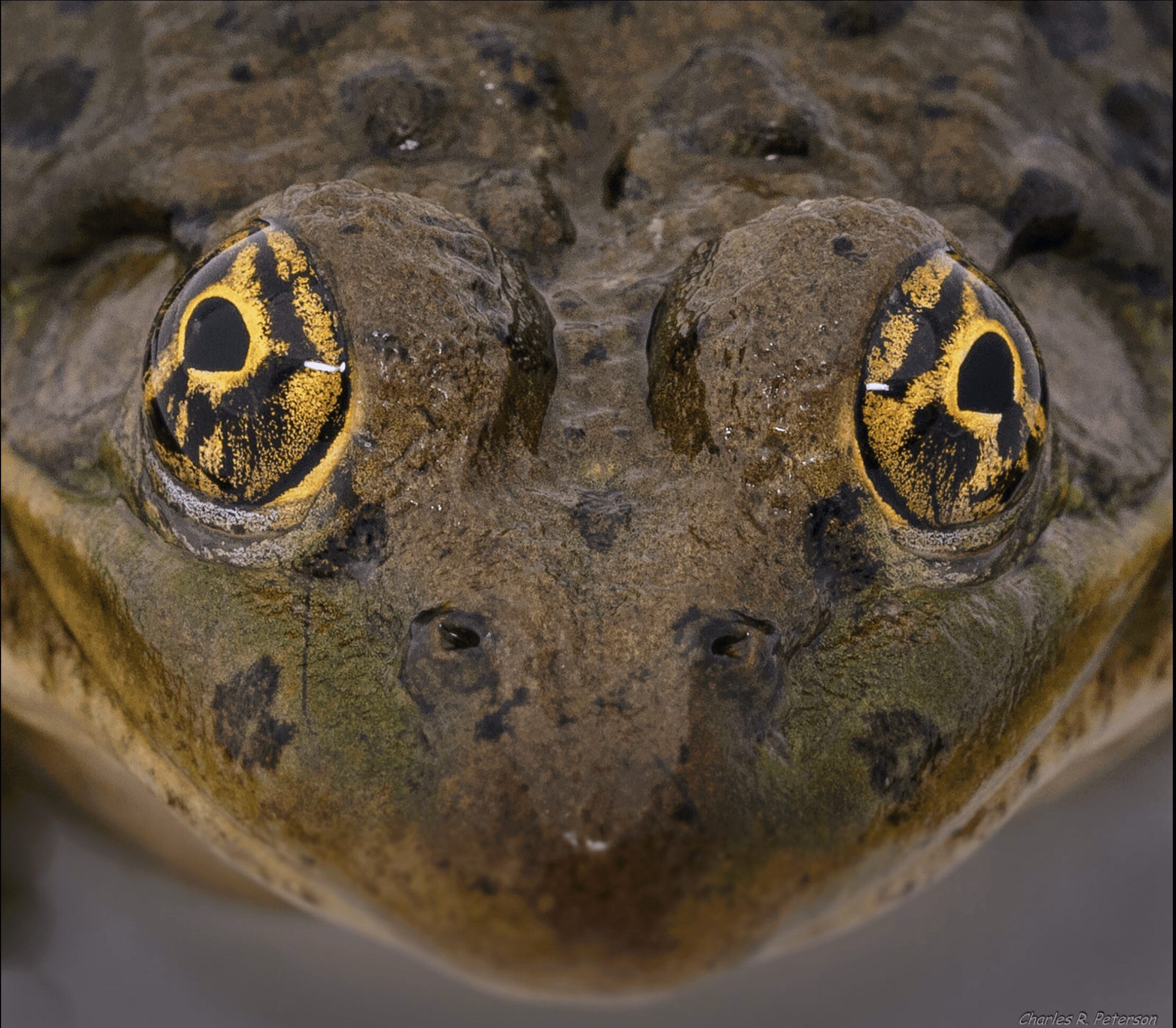
If you think you hear snoring near a forest stream or wetland in Arizona or New Mexico in the spring or early summer, chances are you’re actually hearing the call of a Chiricahua leopard frog. These olive to dark green frogs—with their charcoal-colored spots, stocky bodies, and distinctive calls—are an iconic species of our Gila PARCA (Priority Amphibian and Reptile Conservation Area) and Cochise PARCAs.
Hope in the Face of the Latest Research on Amphibian Declines

A study released on October 4 (Luedtke et al., 2023) contains some bad news for amphibians; they are still the most threatened group of vertebrates on Earth. It’s easy to feel less than hopeful when reading Luedtke et al.’s (2023) study, which provides a global assessment of the conservation status of amphibians.
National Reptile Awareness Day: Focusing on What’s Needed to Conserve the US’s Most Imperiled Reptiles
National Reptile Awareness Day, October 21, 2023, was established to shine a light on these highly beneficial species… Read Full Press Release
Scientists looked at nearly every known amphibian type. They’re not doing great.
NPR By Nathan Rott Nathan Rott summarizes the findings of a new study in the journal Nature assessing the global status of amphibians and features the perspective of ARC Executive Director JJ Apodaca. Read Full Article
Climate change is driving many amphibians toward extinction
Washington Post By Dino Grandoni Dino Grandoni covers a new study in the journal Nature about the threats faced by declining amphibians worldwide and includes quotes from ARC Executive Director JJ Apodaca. Read Full Article
Government Shutdown Could Hamper Vital Work for Imperiled Wildlife Species

The government shutdown could be a big setback for vulnerable wildlife species in the US. Not only will the critical activities of federal natural resource agencies come to a halt, but much of the work of ARC and other partner organizations also won’t be possible. Unfortunately, some of our critically imperiled focal species can’t afford for us to miss the window to implement the efforts they need, which are often seasonal and time-sensitive.
“When National Forests, Wildlife Refuges, Parks, and other public lands are forced to close, and their employees are furloughed, it hampers our ability to carry out targeted conservation efforts for species that are already running out of time,” ARC Executive Director JJ Apodaca explained. “And timing is key for many of these efforts, such as the protection of the seasonal breeding and egg-laying sites of a federally-listed salamander.”
A Government Shutdown Would Hamper Vital Work for Vulnerable Wildlife Species
If the possible government shutdown becomes a reality, the impacts on vulnerable wildlife species in the US could be… Read Full Press Release
Gene Genius: JJ Apodaca
Garden & Gun By Lindsey Liles ARC Executive Director JJ Apodaca was named one of ten Champions of Conservation 2023 by Garden & Gun magazine, and Lindsey Liles features his conservation genetics expertise in this piece. Read Full Article
Cochise PARCAs: Conserving the Southwest’s Biological Richness

Although southern Arizona is often associated with harsh heat and dry deserts, the area’s biodiversity stands as a testament to a beautifully rich landscape. With flashes of bright orange and yellow, western tanagers fly among mountaintop trees. Cottonwood and desert willow trees grow along lush wetlands. Apache trout swim in cold, high-elevation streams. Montezuma quail roam the pine-oak woodlands. Desert cottontails and Sonoran Desert tortoises traverse the sands and brush of the desert vistas dotted with iconic saguaro cacti. Jaguars even inhabit Cochise County.
In terms of herpetofauna or “herps” (reptiles and amphibians), this area–encompassing the Chihuahuan Desert to the east and the Sonoran Desert to the west and all the habitat in between–is unparalleled. In most US states, we’re focused on protecting between twenty and forty herp species. In Arizona, our two Cochise PARCAs (Priority Amphibian and Reptile Conservation Areas), Cochise East and West, each boast more than forty herp species.
Get Stuck on Amphibians and Reptiles with Free Stickers
Let’s stick together for amphibians and reptiles! Sign up for our e-newsletter, The ARC’ives, between September 15 – October 3, 2023, and in appreciation, we’ll send you six awesome stickers featuring salamanders, frogs, lizards, snakes, and turtles. Use them to show your support for the conservation of these often misunderstood and overlooked species.
Stick your nose in our business and subscribe to The ARC’ives e-newsletter to receive the latest amphibian and reptile news straight to your inbox and six free stickers to your mailbox. When you sign up, you’ll connect with us and learn about beautiful and fascinating amphibians and reptiles in the US that, although are often small in size, have oversized impacts on their ecosystems. Plus, the ARC’ives will bring a regular dose of hope to your email as we tell you about the many ways we’re helping keep these incredible species around for generations to come.
Gopher Frog Recovery: At the Edge of a Precipice

On a hot summer afternoon in the Francis Marion Priority Amphibian and Reptile Conservation Area (PARCA), Coastal Plains Program Coordinator Ben Morrison and Assistant Field Project Manager Sydney Sheedy drive down a bumpy dirt road surrounded by longleaf pine trees. They’re heading to Sunset Pond, a not-even-on-the-map ephemeral wetland that represents one of the last healthy few of its kind in the forest, unchoked by invasive species and still reliably filling with water for part of the year.
Matthew Rothstein Annual Bioblitz
Arizona Daily Star By Grace Trejo Photographer Grace Trejo documents ARC’s second Matthew Rothstein Annual Bioblitz at Sabino Canyon Recreation Area in Tucson, Arizona and captures the ARC Team, participants, and landscape. View Full Photo Essay
Learning to Love Rocks
Ambrook Research By Ethan Freedman Ethan Freedman reviews two recent scientific papers about the importance of rock cover for reptiles on working lands and includes the expertise of ARC Executive Director JJ Apodaca. Read Full Article
Heeding the Call: Conservation of the Houston Toad

If we could step back in time to the end of the 19th century on a warm spring evening in eastern Texas, we’d be transported to a picturesque landscape. The countryside was dominated by grasses and short plants, dotted with clumps of trees. This unique and beautiful ecosystem, which has largely been lost, is called Post Oak Savannah. It’s a transition zone between the longleaf systems of the southeast and the grasslands of central Texas.
A spring night in the past would’ve also likely been punctuated by a chorus of the peaceful trills of the Houston toad. Today, the toad’s calls are becoming harder and harder to hear as its populations dwindle. This small toad species (about two or three inches long) with a perpetual frown and warty skin splattered with orange and brown splotches is holding out in the pockets of habitat that remain.
Matthew Rothstein Annual Bioblitz: Community Members Survey Biodiversity & Remember Young Naturalist

The Matthew Rothstein Annual Bioblitz is an opportunity for people to join other members of the community to learn more about the wildlife and plants in their local ecosystem, exchange knowledge, and contribute to a scientific survey. The event began in 2022 and is held annually in or near one of our PARCAs, or Priority Amphibian and Reptile Conservation Areas, across the US.
The Bioblitz honors the memory of Matthew Rothstein (3/10/00 – 12/23/20), a lover of wildlife and a cherished member of our naturalist community. “This event was designed to connect participants with the natural world, which brought Matthew such great joy, in order to remember him in a way that he would have loved,” said ARC Executive Director JJ Apodaca.
National Conservation Nonprofit Honors Memory of Young Naturalist with Bioblitz Event
To bring together those who enjoy the outdoors and remember a nature enthusiast lost too soon, the second Matthew Rothstein Annual Bioblitz will be held… Read Full Press Release
Scientists are learning more about the most endangered, and cutest, turtle in North America
WVTF Virginia Public Radio By Roxy Todd Roxy Todd discusses conserving the highly endangered turtle bog turtle and includes the perspective of ARC Southern Appalachian Program Coordinator Mike Knoerr and teammates. Read & Listen to Full Piece
With growing subdivisions and drought, is it too late to recover the ‘Goldilocks’ frog?
The Post and Courier By Clare Fieseler Clare Fieseler covers the Carolina gopher frog program in the Francis Marion PARCA, administered along with our partners, and features the work of ARC team members Ben Morrison and Sydney Sheedy. Read Full Article
Thinking Bigger: Ambitious, Large-Scale Strategy for Often Overlooked Wildlife
At a larger scale than ever tackled before, a national nonprofit is undertaking the conservation of amphibians and reptiles… Read Full Press Release
Bounty of Habitats for Rare Species: Protecting & Restoring the Francis Marion PARCA

Bounty of Habitats for Rare Species: Protecting & Restoring the Francis Marion PARCA Outside Charleston, South Carolina stretches the Francis Marion National Forest–a 259,000-acre classic Lowcountry spread of upland forest, bottomland hardwood swamp, maritime forest, salt marsh, and longleaf pine forest.
Bullfrogs are invading Sheridan, threatening native species
WyoFile By Christine Peterson Christine Peterson writes about the impacts of invasive bullfrogs in the Sheridan, Wyoming, area and includes a discussion with Executive Director JJ Apodaca about ARC’s expertise with the species. Read Full Article
Restoring a Desert Oasis to Bolster Narrow-Headed Garter Snake Populations

Have you slept in a tent alone—a tent
Out under the desert sky—
Where a thousand thousand desert miles
All silent round you lie?—
The dust of the aeons of ages dead,
And the peoples that trampled by?
Have you looked in the desert’s painted cup,
Have you smelled at dawn the wild sage musk,
Have you seen the lightning flashing up
From the ground in the desert dusk?
Efforts are underway to protect snakes, frogs in the Gila area
NM Political Report By Hannah Grover Hannah Grover discusses efforts to recover three federally-listed Threatened species in New Mexico, featuring quotes from members of the ARC Leadership Team. Read Full Article
One-fifth of the world’s reptiles are at risk of extinction
Scripps News By Chloe Nordquist Chloe Nordquist covers the drastic declines of reptiles and amphibians worldwide and includes the perspective of ARC Executive Director JJ Apodaca. Read Full Article
Bolstering Threatened and Endangered Species Populations During the 50th Anniversary of the Endangered Species Act
As the Endangered Species Act (ESA) turns 50 years old this year, the public eye will be focused on the species it protects. However, some of the most Endangered species in the world, amphibians and reptiles, are often overlooked… Read Full Press Release
Recovering the Frosted Flatwoods Salamander

Longleaf pine ecosystems once blanketed the Southeast, covering over ninety million acres from Texas to Virginia. Many varied species, from red-cockaded woodpeckers and quail to eastern diamondback rattlesnakes and dusky gopher frogs, evolved to live among the frequently burning, grassy, sun-soaked savannas.
Increasing the Odds for Amphibians as They Face a Long-Term Pandemic of Their Own
The Amphibian and Reptile Conservancy (ARC) and partners, filmmakers Chelsea Jolly and David Herasimtschuk, are working to increase the odds for toads, frogs, and salamanders… Read Full Press Release
Amphibian and Reptile Conservancy Releases Recommendations for the 2023 Farm Bill Focused On Imperiled Wildlife
The Amphibian and Reptile Conservancy (ARC), a national nonprofit to conserve imperiled wildlife, released its recommendations for the upcoming Farm Bill… Read Full Press Statement
Conserving Amphibians and Reptiles on Private Lands: The 2023 Farm Bill

The Farm Bill is one of the most important pieces of federal legislation affecting the conservation of amphibian and reptile species and their habitats. This far-reaching legislation sets important national food and agricultural policy through wide-ranging provisions related to everything from risk management to nutrition and rural development programs.
It is also by far the largest source of US investment in the conservation of soil, water, land, and wildlife on private lands. The 2018 Farm Bill authorized about $30 billion for conservation programs over five years. Through its voluntary, incentive-based programs, the bill enables farmers, ranchers, and foresters to protect wildlife and habitats. These programs incentivize landowners to conserve sensitive ecosystems like wetlands and grasslands, improve water and soil quality, mitigate climate change impacts, and restore habitat for imperiled species, all while improving the sustainability and economic viability of their operations.
50 Years: What the Endangered Species Act Has Meant for Amphibians and Reptiles

In December of this year, the Endangered Species Act (ESA) turns 50 years old. As this important anniversary approaches, I’m sure you will see waves of news coverage. If it’s anything like past coverage of the ESA, it will be as varied as the species the act protects. No environmental act has been more lambasted or more praised than the ESA.
In this post and beyond, I will dig into the ESA and discuss what it means for amphibian and reptile conservation. This overview will be followed by a series of posts leading up to the anniversary featuring amphibians and reptiles that have been listed as Threatened or Endangered, some that have thrived and some that continue to struggle. It is my hope that increased understanding of this vital law and the effects it has on our native biodiversity will help us better appreciate it and continue in our work together to improve it.
Why Tiny Ponds and Singing Frogs Matter So Much
The New York Times Guest Essay By Margaret Renkl Margaret Renkl explains the significance of seasonal wetlands for frogs and salamanders – and, ultimately, for humans – in an essay featuring quotes from ARC Executive Director JJ Apodaca and photos from the Francis Marion PARCA (Priority Amphibian and Reptile Conservation Area). Read Full Article
A terrifying fungal disease is infecting frogs in Africa. Here’s why it matters.
CNN By Jackie Wattles Jackie Wattles covers a devastating amphibian disease called chytridiomycosis caused by chytrid fungi and how it has impacted frogs and salamanders worldwide in an article featuring quotes from ARC Executive Director JJ Apodaca. Read Full Article
Crown Jewel of Louisiana’s Biodiversity: Conservation of the Pearl River Basin PARCA

Just east of New Orleans, there’s a diversity of reptiles and amphibians that are as wild and colorful as Mardi Gras. The animal that comes to mind for most people when they think of Louisiana is the American alligator—and while there are certainly alligators, there are also some 140 species of other amazing amphibians and reptiles that call the state home, from diamondback terrapins to Gulf Coast waterdogs to pine snakes and gopher tortoises. Unfortunately, 51 of those are listed as species of greatest conservation need.
The Pearl River Basin PARCA, or Priority Amphibian and Reptile Conservation Area, is the crown jewel of Louisiana; it holds 109 amphibian and reptile species and 98% of the species of greatest conservation need in the state. That makes our work here—from the dark and primordial bottomland hardwoods swamps to the open pineland savannahs—vital.
Protecting the Most Imperiled Frogs in the United States on World Frog Day and Beyond
World Frog Day, March 20, 2023, is aimed at raising awareness of the threats facing these highly beneficial species around the globe… Read Full Press Release
Combating Invasives to Give Native Species Back Their Competitive Edge

When you visit a new country, chances are you don’t want to eat at the same burger chain you have near your house, buy your souvenirs at a big box store from the US, and go to an American movie. You want to experience the cuisine, hear the language, and see the art that that particular country offers because those things reveal the fabric of a place’s history and culture.
We can use this concept to understand native ecosystems and invasive species. Just like you can find American burger chains around the world, there aren’t many ecosystems left that haven’t been impacted by invasive species. As humans have spread across the globe, we’ve taken all sorts of species with us—from house cats to flowers to reptiles—and put them where they didn’t historically occur. That has caused problems for our native species (the locals, if you will), and we are at risk of homogenizing our ecosystems and losing the icons of our natural diversity.
What We Can Learn From This Magnificent Migration
The New York Times Guest Essay By Margaret Renkl Margaret Renkl discusses the sense of wonder she experienced visiting a wildlife refuge in Alabama to view sandhill cranes and the importance of wetland habitats for numerous other species. Read Full Article
Protecting Our Natural Heritage in the Southern Appalachians

Author Barbara Kingsolver best captured the spirit of the Southern Appalachians when she said, “the flag of Appalachia should be a salamander.” For many, these mountains are embodied by a cool mountain creek, where every rock flip reveals a salamander. In fact, the Southern Appalachian Mountains—including parts of West Virginia, Virginia, North Carolina, South Carolina, Tennessee, and Georgia—contain some of the most important places for amphibian and reptile conservation in the world. Within the ridges, valleys, and streams are dozens of habitat types supporting a vast number of imperiled species that need our help, from our smallest turtle to the heaviest salamander in North America.
Protection and Restoration of Wetlands Across the United States on World Wetlands Day and Every Day
As World Wetlands Day approaches on February 2, 2023, the Amphibian and Reptile Conservancy (ARC), a national nonprofit to conserve imperiled wildlife, is focused on its plans… Read Full Press Release
Increasing the Odds for Amphibians in the Face of a Long-Term Pandemic

When global challenges arise, the solutions most often involve people coming together. It’s no different for the worldwide amphibian pandemic, chytridiomycosis (pronounced kit-rid-ee-oh-my-coe-sis), which has led to dramatic amphibian declines over the last several decades. This terrible disease is caused by a chytrid (pronounced kit-rid) fungus called Batrachochytrium dendrobatidis, pronounced… Nevermind, we just call it Bd for short. Bd has led to declines in frogs and salamanders worldwide, and now we face the threat of a new pathogen (called Bsal) that has caused salamander die-offs in Europe. However, together, we have the opportunity to help ensure that these vitally important and beautiful species are protected for current and future generations.
Protecting Imperiled Wildlife Requires the Right Tools: What’s in ARC’s Toolbox?

Conserving rare species—ones that, in many cases, we don’t know much about—is a constant challenge. Luckily, technology is on our side. All the time, new methods and tools emerge that help us in our work at ARC. Some seem like sci-fi. We can figure out where a species was by taking water samples. Some, like species distribution modeling, translate ecological theory into action using machine learning. Others are surprising. Sometimes, we track individual animals by waving a pole over our heads connected to a beeping electronic box. But all of them help us in our mission to protect and restore amphibian and reptile populations all over the country. Below, we’ll walk through a few of our methods from our toolbox to give a sense of how the work at ARC really gets done.
Conserving Imperiled Amphibians and Reptiles in a Changing Climate

As the climate changes, our resolve to protect vitally important wildlife remains steadfast. Climate change affects everything in the natural world, and modern conservation efforts must account for its impacts. For amphibians and reptiles, in particular, even small environmental changes can have big effects. Their internal body temperatures fluctuate with the temperature of their surroundings (called ectothermic), and therefore, their behavior and health are also affected. Most amphibians have permeable skin, making them hypersensitive to moisture changes. Many reptiles, like alligator snapping turtles, have temperature-dependent sex determination, so shifts can throw off male-female population balances. And already, these critical species are in steep decline—recent news indicates that one in five reptiles are imperiled, along with a third of amphibian species.
Let’s be clear: climatic shifts have occurred for as long as the earth has been around. But what we are seeing today is quite different than what were typically more gradual shifts in the past. The world has warmed by roughly two degrees Fahrenheit over the last century alone.
Conservation in the Land of Enchantment’s Gila PARCA

Deep in the heart of the New Mexico desert, something unexpected arises from the drylands–mountain ranges teeming with life. These sky islands are home to some of the most biodiverse habitats in the world. That’s why ARC has designated one such area in the western part of the state dubbed the Land of Enchantment as a Priority Amphibian and Reptile Conservation Area, or PARCA. It’s known as the Gila (pronounced hee-luh) PARCA. It is located in the area surrounding and including Silver City, New Mexico on the ancestral lands of the Chiricahua (pronounced chr-uh-kaa-wuh) Apache Nation.
The formation of sky islands is a story rooted in the geologic history of our world. Around 20,000 years ago, what’s now the deserts of the southwest flourished with greenery and water. As the climate began to warm, creating the deserts we know today, plant and wildlife species became stranded and isolated in these high-elevation mountain ranges where they continued to evolve in an array of habitats.
Thinking Bigger: Coordinated Place-Based Conservation in PARCAs

To conserve wildlife and wild places across the U.S., together, we must answer the call to act collectively and consider the big picture. At ARC, we think beyond individual animals and individual species. Even as we recognize and celebrate the unique importance of each flattened musk turtle in Alabama and each Chiricahua leopard frog in New Mexico, we never stop thinking about the broader ecosystem context in which these creatures exist because that holds the key to their future. Amphibians and reptiles face an incredibly diverse set of threats across the country, from habitat loss and fragmentation to disease and persecution. If we want to slow their declines, we have to prioritize the most important areas where they are found and build healthy ecosystems and populations in those places.
That’s why our conservation strategy is place-based. It rests on identifying and working in what we call Priority Amphibian and Reptile Conservation Areas, or PARCAs. We have identified hundreds of such places all over the country that stretch from the Southern Appalachians to the Southeastern coastal plains, across the heartland prairies to the deserts of the Southwest, and up to the Pacific Northwest.
Species Conservation: Opportunity, Ingenuity, and Cooperation

“I am a man in love with nature…I am a wildling, born of forests and fields and more comfortable on unpaved back roads and winding woodland paths than in any place where concrete, asphalt, and crowds prevail.”
– J. Drew Lanham, The Home Place: Memoirs of a Colored Man’s Love Affair with Nature
Whether you prefer nature’s solitude or are more at home in a crowd, you likely feel reassured knowing that there are places teeming with eye-catching and intriguing wildlife, like turtles, frogs, and lizards. Together, we have the opportunity to ensure that these places and species are protected for current and future generations. Have you ever wondered about the best ways to go about conserving species and how you can help? Although the answers are not always straightforward, we can harness our ingenuity and passion to implement the conservation solutions that the other species that share this planet need from us.
Black Warrior Waterdog and Flattened Musk Turtle

Meet two of Alabama’s strangest, most specialized reptiles and amphibians.
In the Black Warrior River watershed of Alabama, two rare, mysterious, and little-known species swim the waters. One, the Black Warrior waterdog, is an amphibian, and the other, the flattened musk turtle, is a reptile. Both are highly endangered, and both are tailor-made for the habitat that they share, making our work in the Bankhead Priority Amphibian and Reptile Conservation Area (PARCA) west of Birmingham a two-for-one conservation opportunity. This PARCA is positively teeming with life; Alabama is a global hotspot of aquatic biodiversity. By restoring these imperiled and highly biodiverse waterways, we can recover these two amazing species, protect countless other species, and create healthier water for the people who depend on these rivers for consumption and recreation.
Small Turtles, Big Future: Southern Population of the Bog Turtle

When we think about the future for the bog turtle, Glyptemys muhlenbergii, we should first consider the past. If we could hit rewind, and look back in time—millions of years back in time—there would be a vast stretch of land full of muddy bogs and fens, from upstate New York down to Georgia. Within those grassy, flooded meadows fed by springs would have hidden thousands upon thousands of one of our favorite reptiles in the world: the bog turtle.
When they are born, bog turtles are the size of a quarter. As adults, they’re only four inches. They are mysterious and secretive, spending most of their time buried in mud. Everything about them encapsulates a slow and steady approach to life; they reach sexual maturity late, lay only a few eggs a year, and can live for at least sixty years. Some of the older individuals have shells as smooth as glass, worn down from years of burrowing in the habitat for which evolution shaped them over the course of fifteen million years.