Salvaging the Frosted Flatwoods Salamander’s Breeding Season in Florida and Georgia
In dry depressions in the Florida Panhandle, ARC Biologists and partners have been building miniature wetlands by hand.
Industrial cement mixing trays filled with water, bark, branches, sphagnum moss, and other wetland plants now sit in the basins where seasonal ponds should be. Beneath shade cloth and wire cages to keep out predators, Threatened frosted flatwoods salamander larvae, the salamander equivalent of tadpoles, develop into their land-dwelling stage.
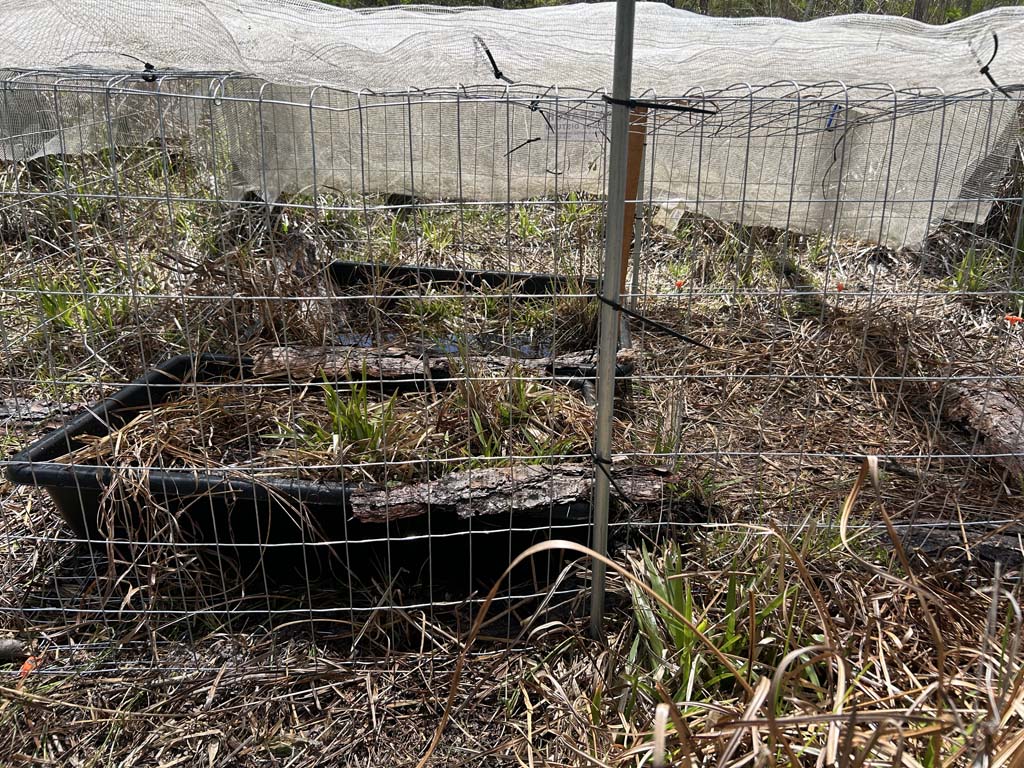
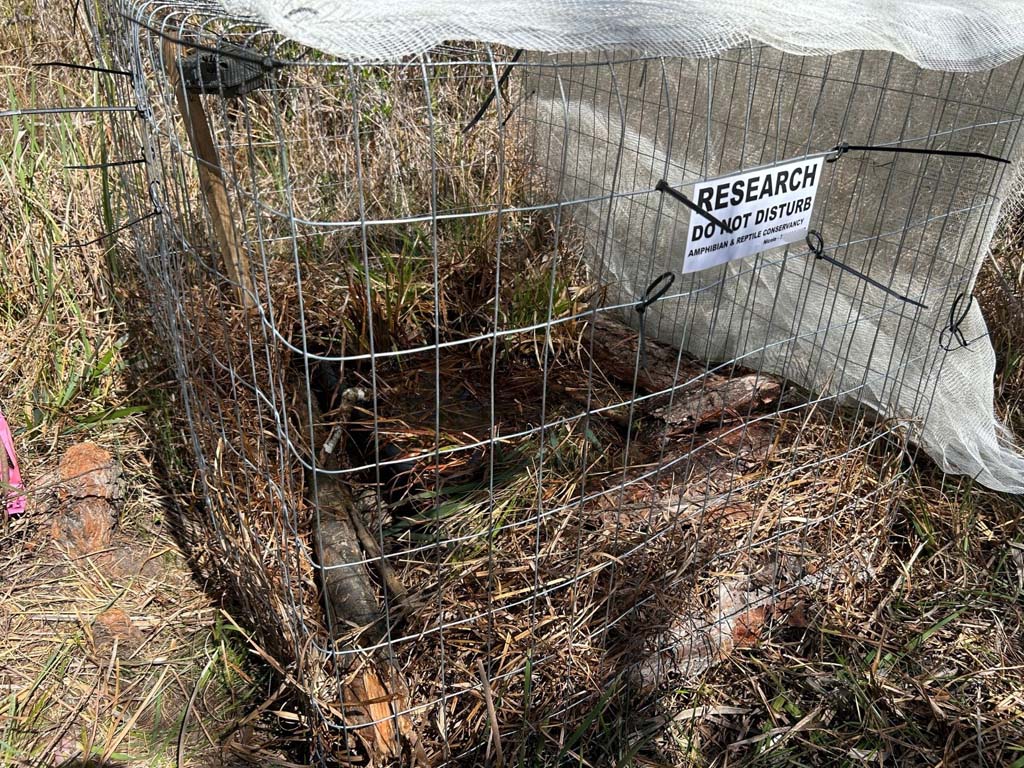
These soft-release pens are what Project Coordinator Nicole Dahrouge describes as “basically a bog garden in a kiddie pool.” They’re an unconventional solution, improvised because the seasonal wetlands that frosted flatwoods salamanders need to complete their life cycle never filled with rain this year.
A typical year in our headstarting program involves collecting eggs from the wild, hatching them into larvae, growing them in protected water tanks until they’re larger, and then releasing them into knee-deep water with plenty of food. Bigger larvae are more likely to survive, so headstarting gives their population a boost.
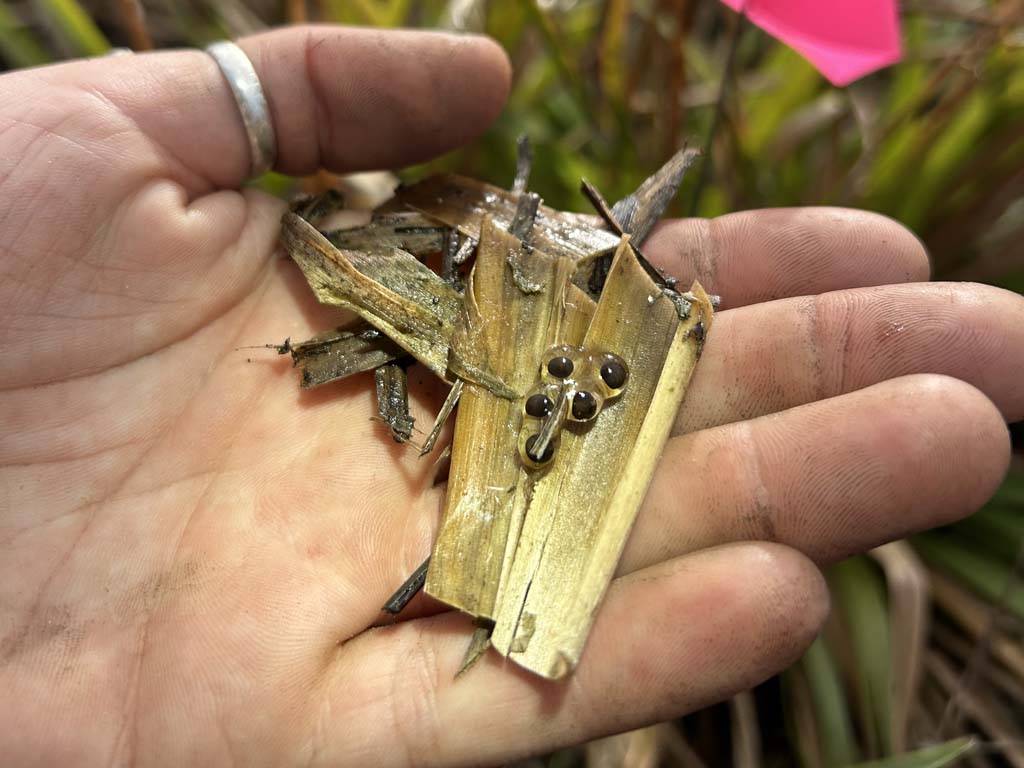
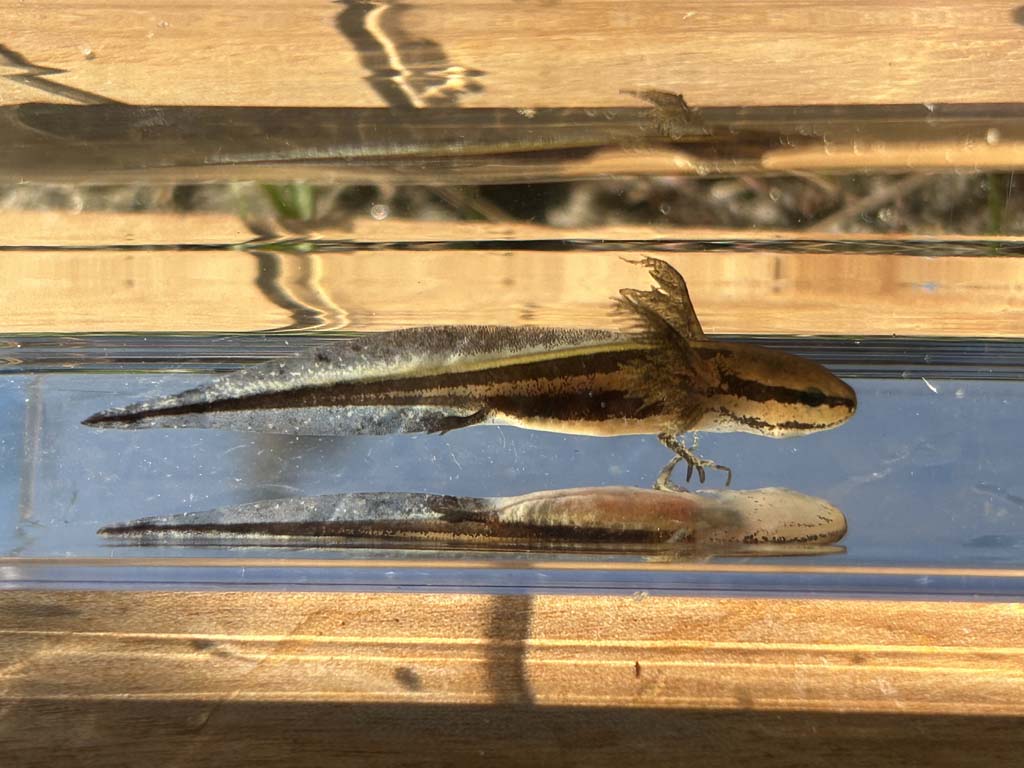
This season, during one of the worst droughts on record for the Florida Panhandle, there was no water into which to release headstarted larvae. That left us with a choice: let the larvae first metamorphose (change) into land-dwelling salamanders and release them into the dry wetland basins, or try something different.
Because larval salamanders likely pick up important environmental cues during their development, and because releasing recently metamorphosed animals directly into dry wetlands seemed risky during such an extreme drought, we were motivated to try something different.
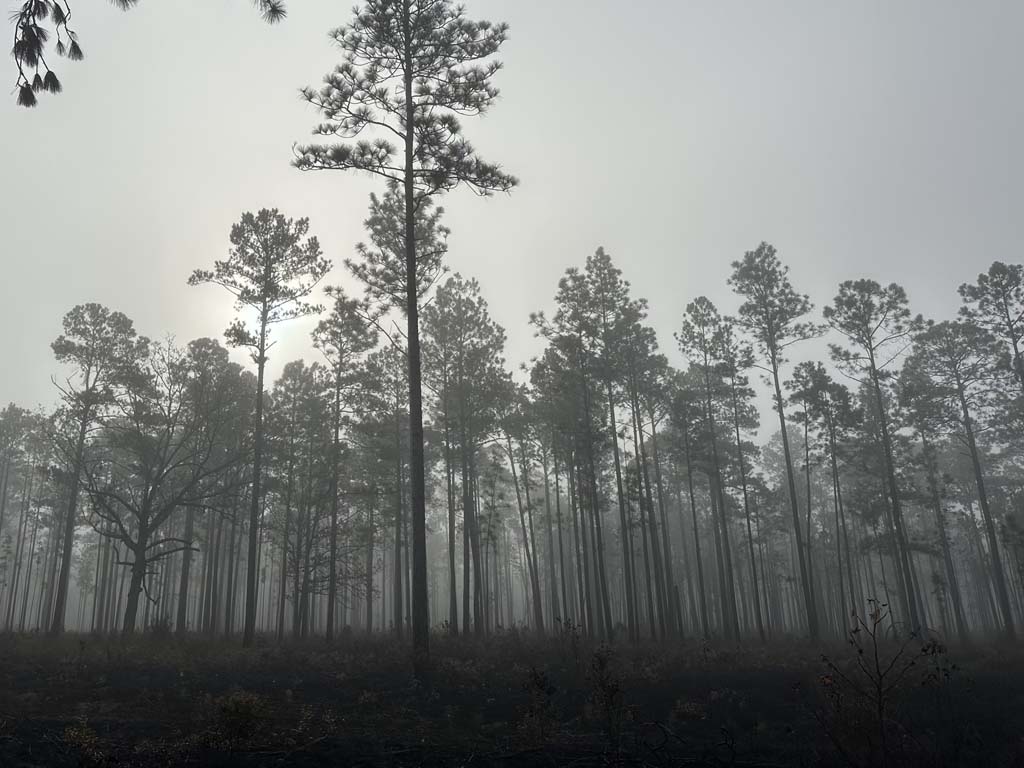
The lack of rain isn’t just affecting salamanders in the Sunshine State. Stretching across the Southeast, the record winter and spring drought has also made conditions challenging in southeast Georgia, the only other place where frosted flatwoods salamanders are known to remain.
This species was once more widespread across the region, but due to large-scale declines of the longleaf pine ecosystems it needs, only a handful of populations have survived. With so few populations remaining, years of failed reproduction can have big consequences for the species’ future.
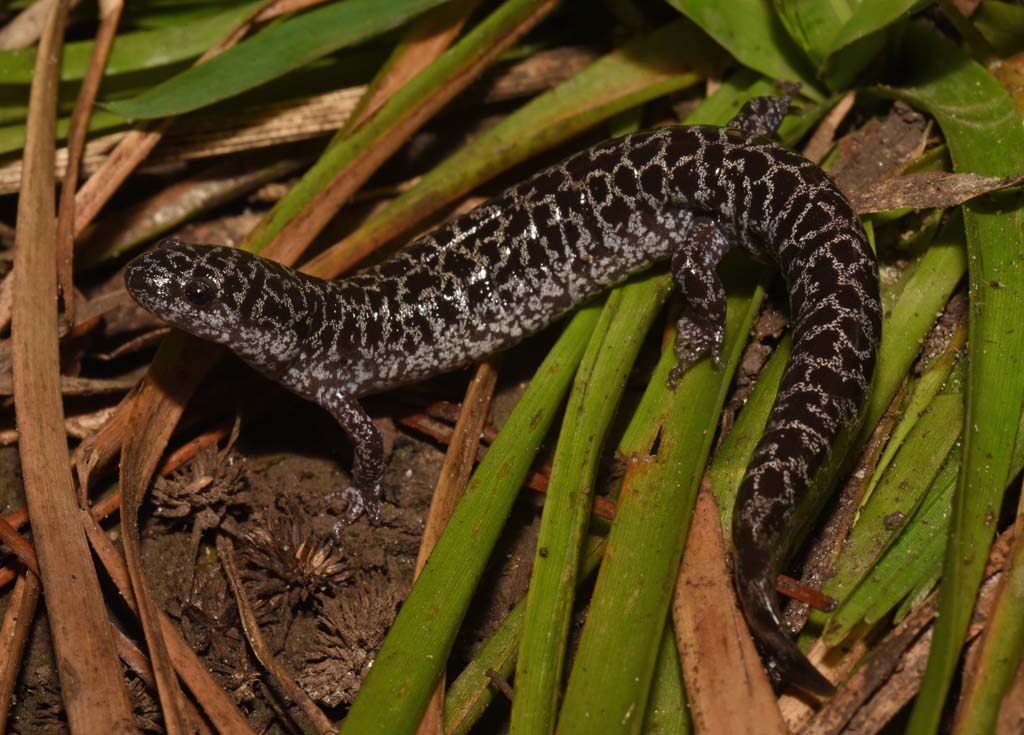
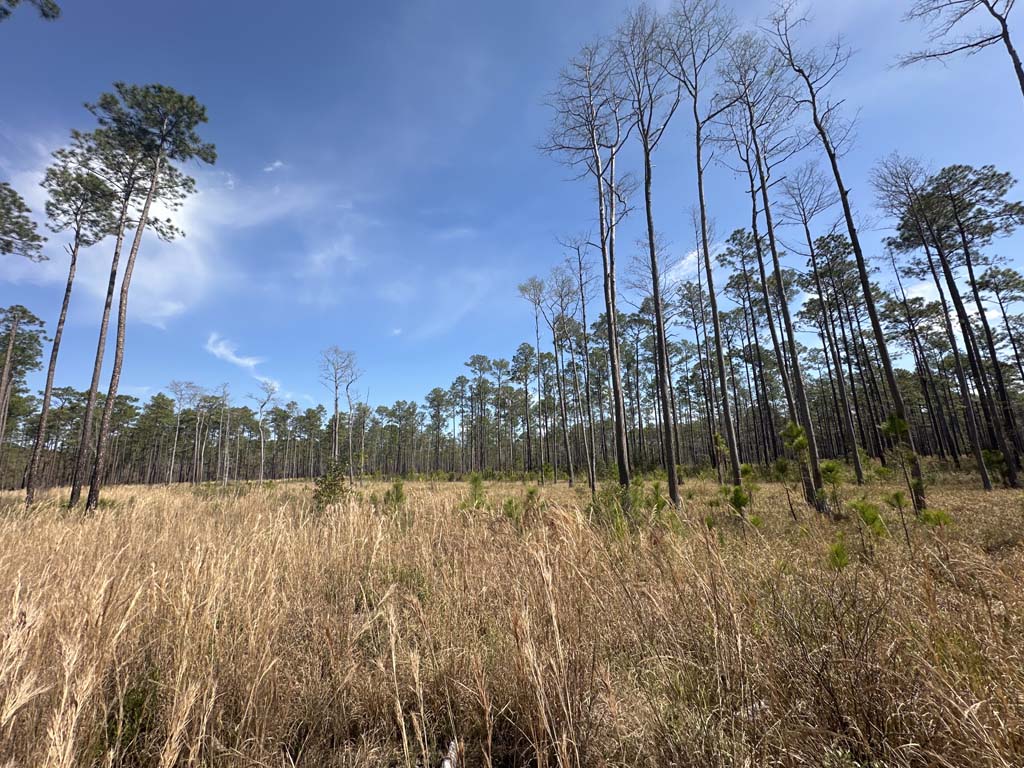
In the Fort Stewart PARCA (Priority Amphibian and Reptile Conservation Area) in Georgia, wetlands dried up in May 2025 and remained dry through much of the breeding season, which is usually October through December. This past season, adults still migrated to breeding sites and laid eggs, but without enough standing water, most never hatched or died as larvae.
“A December rain flooded the wetlands enough for some eggs to hatch, but there was not enough water for the larvae to develop and morph out,” said Project Coordinator Rob Tiffin. “Most didn’t survive. We rescued around 300 but couldn’t reach them all in time.”
Even before we knew just how dry it would be here, we collected eggs for headstarting, as usual. In fact, earlier in the season, conditions had actually seemed promising. We found more eggs, larvae, and adult salamanders than during the previous two field seasons combined and even documented two previously unknown occupied wetlands.
But as drought conditions worsened, the recovery effort quickly shifted from expanding releases to trying to salvage as many animals as possible.
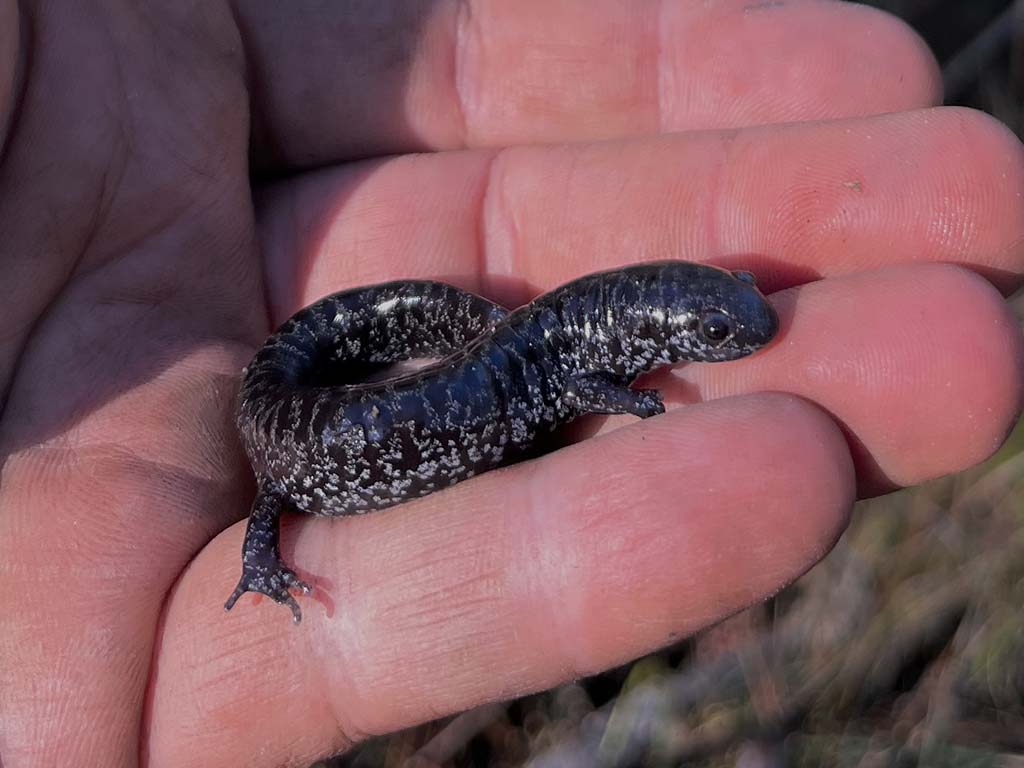
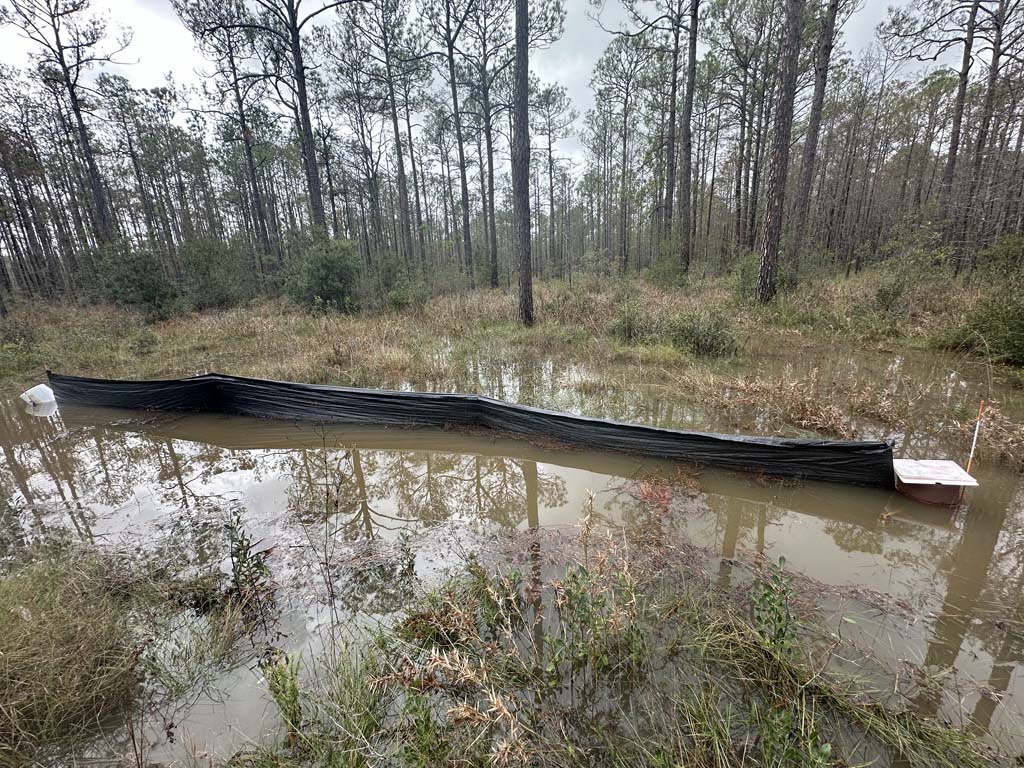
Initially, we planned to release larvae across multiple wetlands in Georgia. But as ponds continued drying, nearly all of the larvae were instead concentrated into the only wetland that retained water long enough to support development.
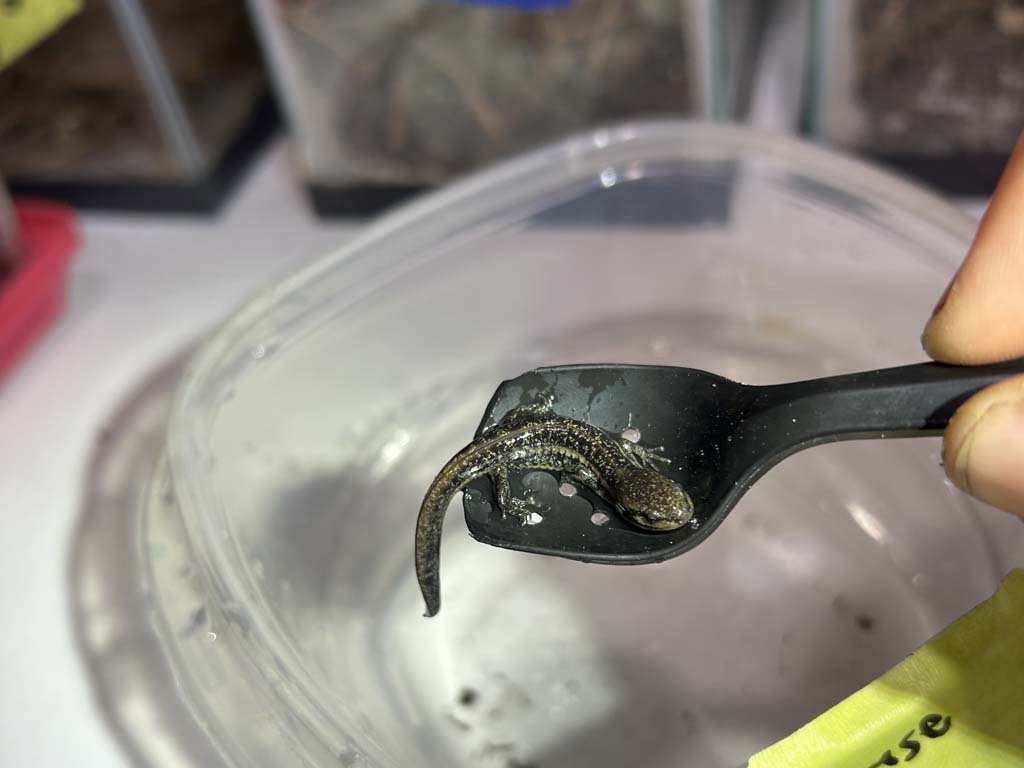
We were still able to release more than 1,000 larvae. When those remaining wet areas dried up, though, we had 35 larvae left. We held them through metamorphosis and later released them as land-dwelling metamorphs (juveniles) into the dampest habitat available.
“Headstarted larvae are released into a pond where food is visibly swimming around and vegetation gives easy cover,” said Rob. “By contrast, a metamorph was swimming around as a larva just last week. Now it has to figure out how to be a walking, terrestrial animal, touching wild soil for the first time, while also finding refuge, hunting, and avoiding predators. All of this will keep you up at night.”
Holding salamanders through metamorphosis also meant constant monitoring. Miss a newly transformed salamander in a tank overnight, and it could drown before morning. It required nonstop attention in a season defined by drought and shrinking margins.
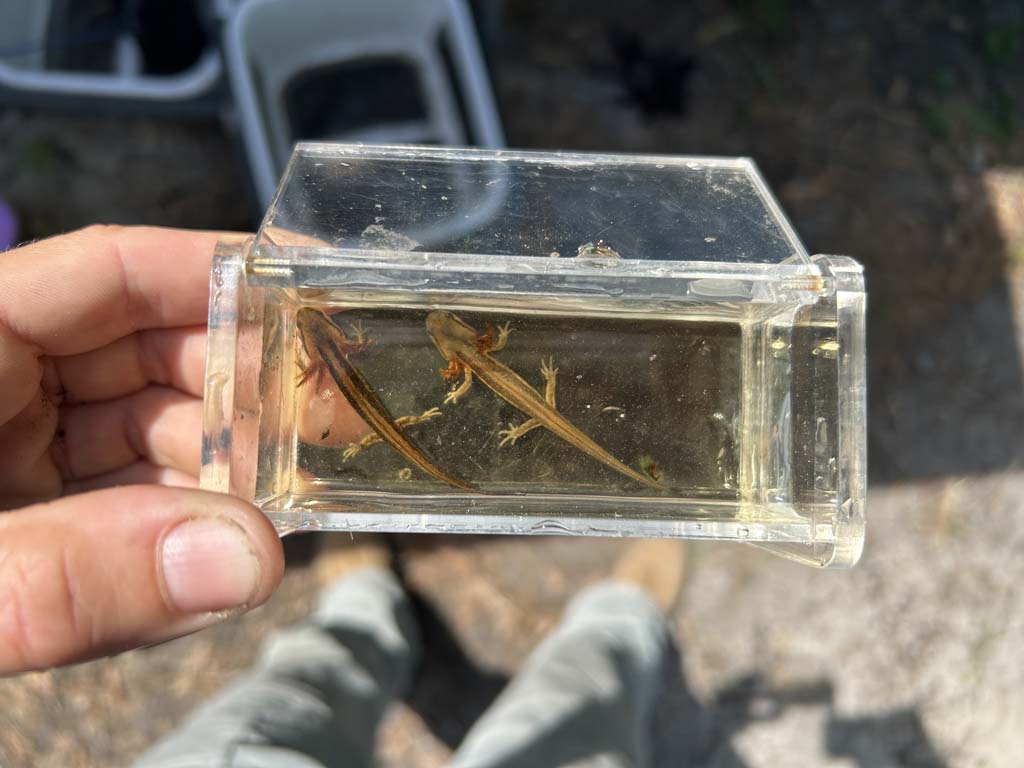
In Florida, there was no margin left at all. Soft-release pens sit where seasonal ponds never filled. In these small pockets of water, salamanders can finish metamorphosis. “We’re essentially trying to recreate a wetland in a six-by-six space because that’s all we’ve got right now,” said Nicole.
Once the larvae metamorphose, they leave the water and hide amongst the vegetation and bark inside the pens as they adjust to life on land. Movement outward is weather-dependent, mostly happening on rainy or humid nights.
More than 500 larvae have been released this way so far, and about 100 more are awaiting release.
As Nicole explained, because of the drought, “the only animals moving into the landscape where we work are the animals that we raise.”
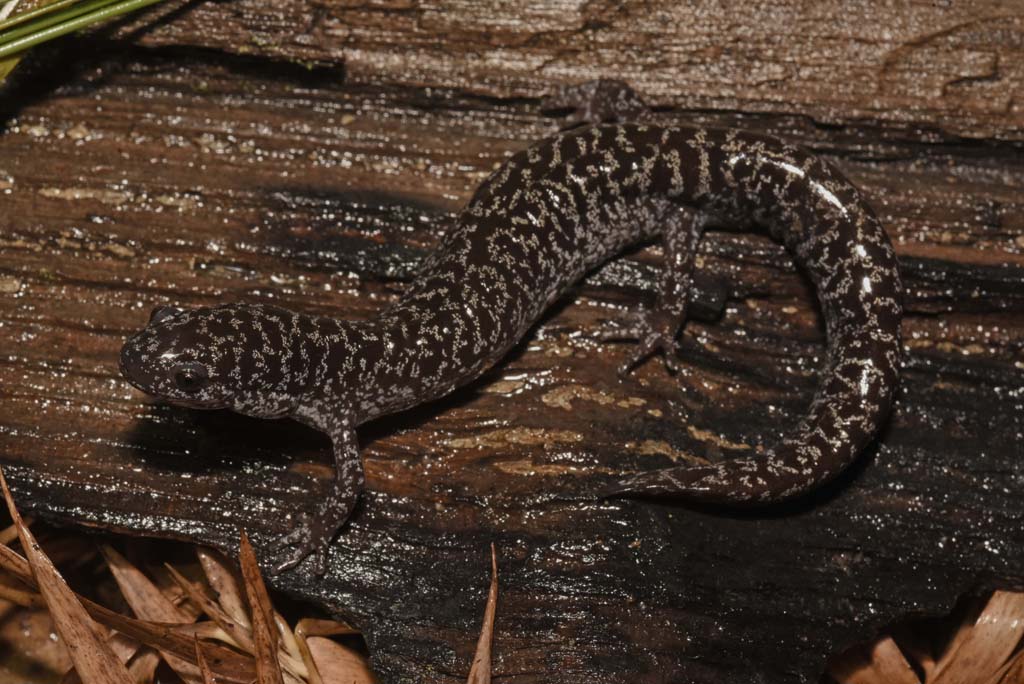
Across both Florida and Georgia, that meant at least some young salamanders still made it through a year when natural reproduction would otherwise have largely failed. “Sometimes, there are years where very few baby salamanders reach adulthood, but this year was particularly severe and widespread,” Nicole said.
In both states, the season underscored how tightly salamander survival is tied to rainfall and how little room there is between a successful recruitment year and a failed one.
Seasons like this are expected to become more common as drought conditions intensify across the Southeast. For our frosted flatwoods salamander teams, that means building flexibility into every part of the headstarting process, from egg collection to release strategies, because natural reproduction isn’t enough to sustain populations on its own.
What this season made clear is that we can’t just boost populations in good years. Our adaptive and innovative actions must help bridge them through bad ones.
Extinction isn’t a foregone conclusion, even with years like this one. Through innovation, collaboration, and maybe some sleepless nights, we’re increasing the odds that it won’t be.