From the ground up: Houston toad recovery through habitat restoration and egg releases
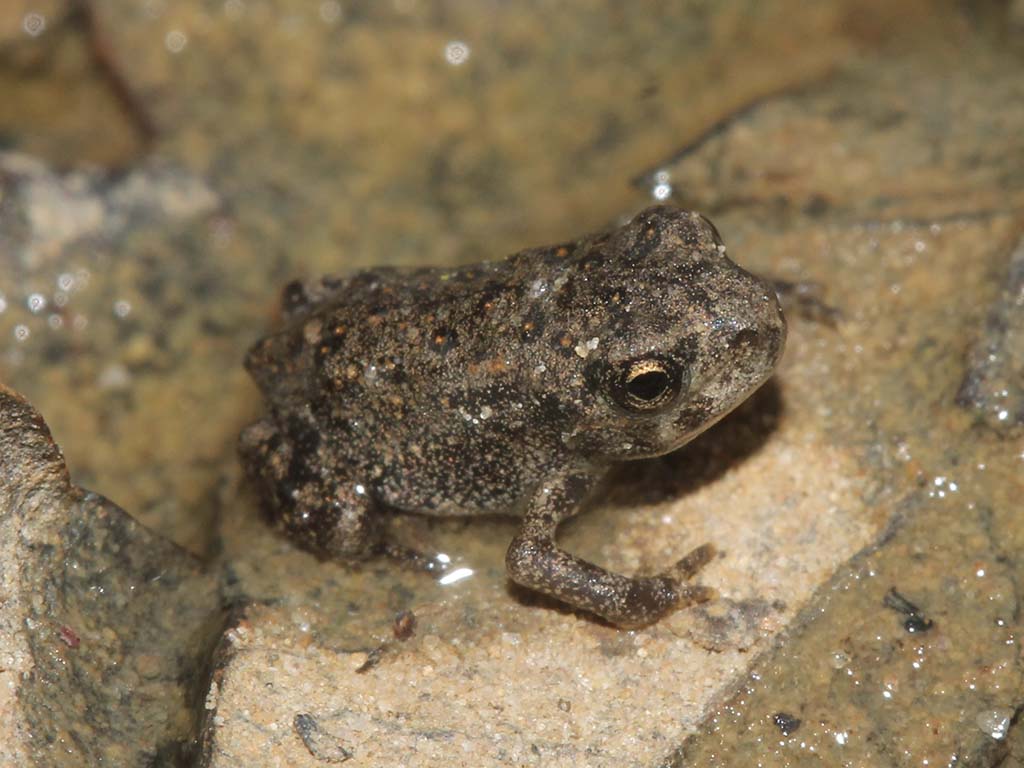
“Within a few weeks, eggs in the water became thousands of tiny toadlets moving out into the landscape,” ARC Private Lands Biologist Zach Truelock said.
On a spring day at Bastrop State Park, just east of Austin, Texas, a light rain had just started to fall when he saw movement along the edge of the pond.
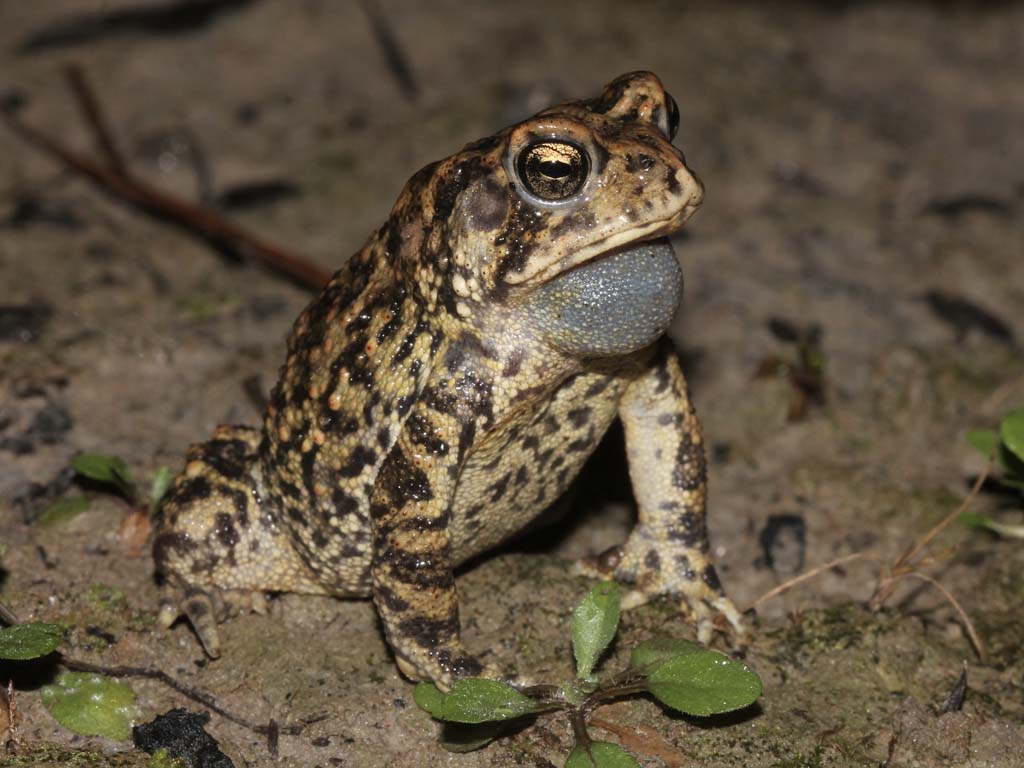
Just weeks earlier, as part of a coordinated recovery effort, we released more than a million Endangered Houston toad eggs into the water there. Houston toads are explosive breeders, laying large numbers of eggs at once, so this release mimicked their natural reproductive strategy. After being brought to the site in bags and acclimated to the pond, the eggs were placed in the shallow water along the shoreline.
The Houston toad was one of the first amphibians federally listed as Endangered in 1970, following steep declines after its scientific discovery in the 1940s and formal description in 1953. Today, it persists only in a narrow range in Central Texas.
This egg release was part of a broader effort to recover the Houston toad in parts of its historic range where suitable habitat still exists. But what happens after the eggs hatch in the water depends on the landscape that surrounds the pond. It determines whether young toads can successfully move and find suitable habitat.
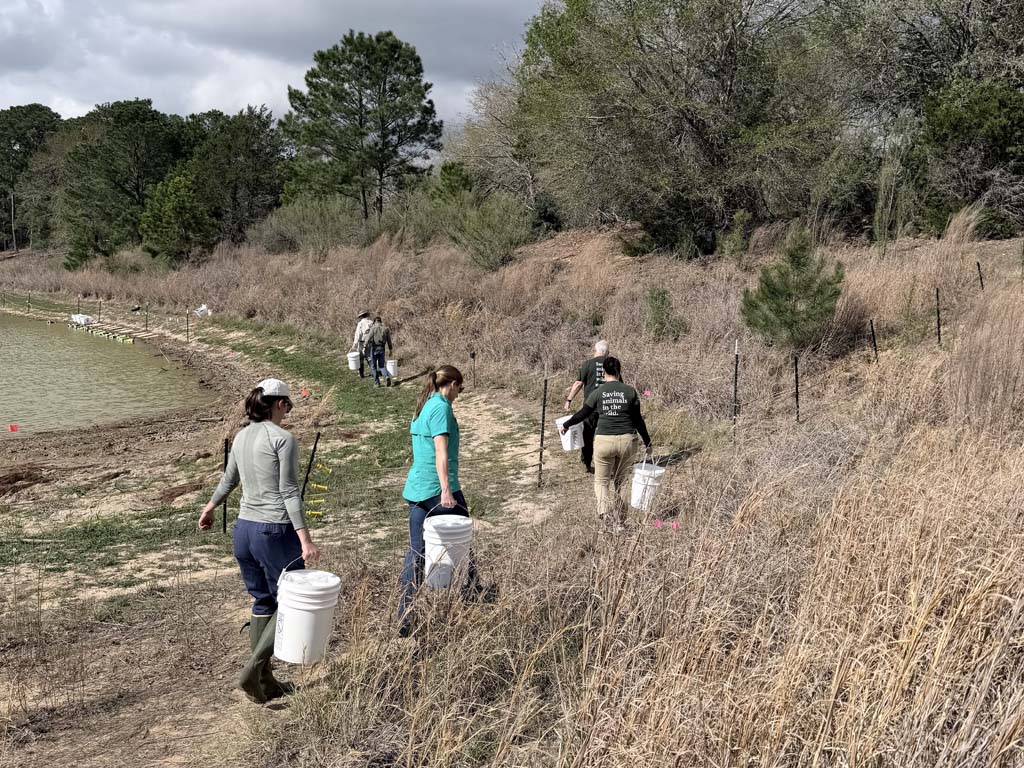
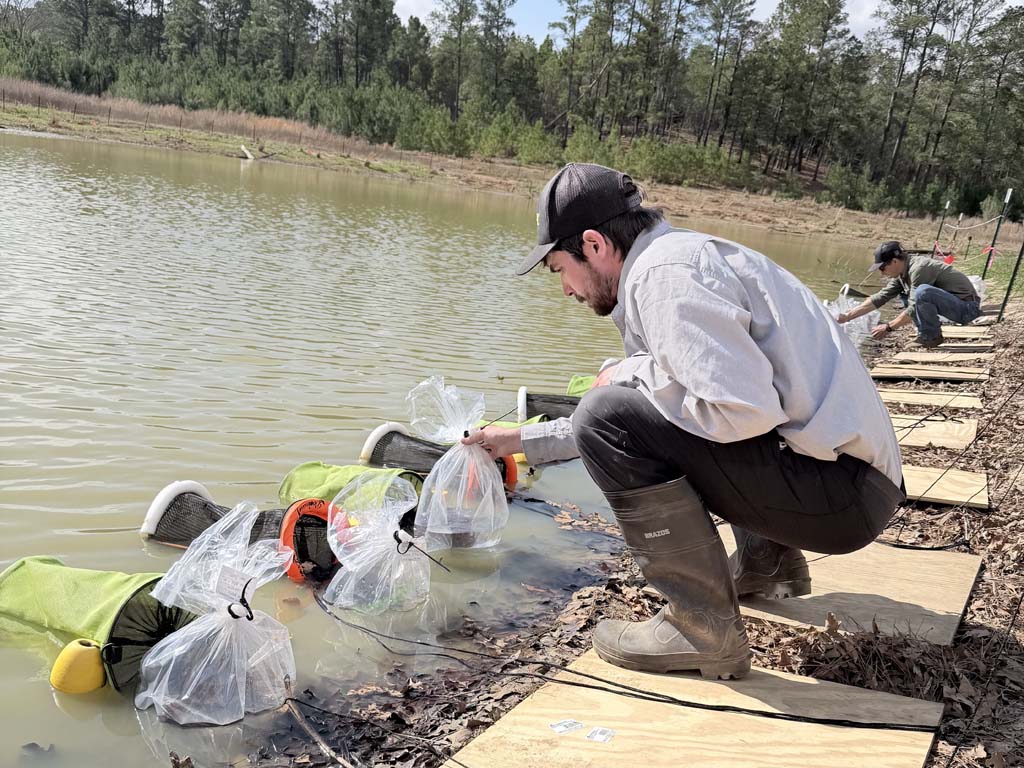
Although captive-raised toadlets are sometimes released, starting with eggs instead typically means the individuals that make it through are more likely to be the ones best suited to survive in the wild.
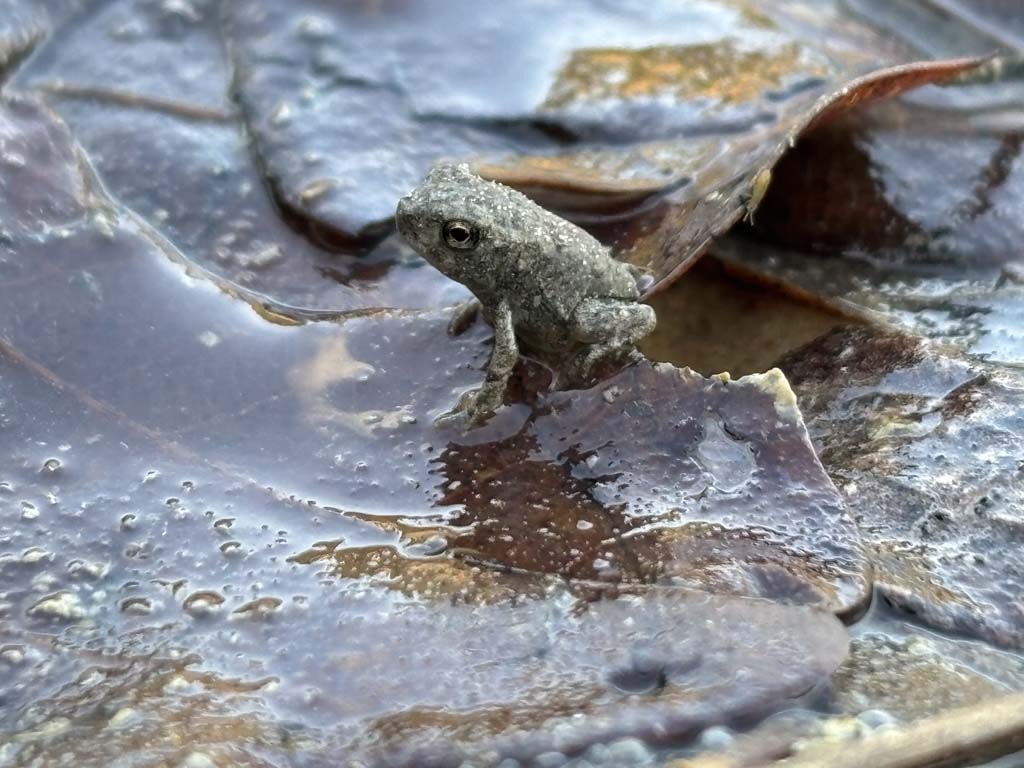
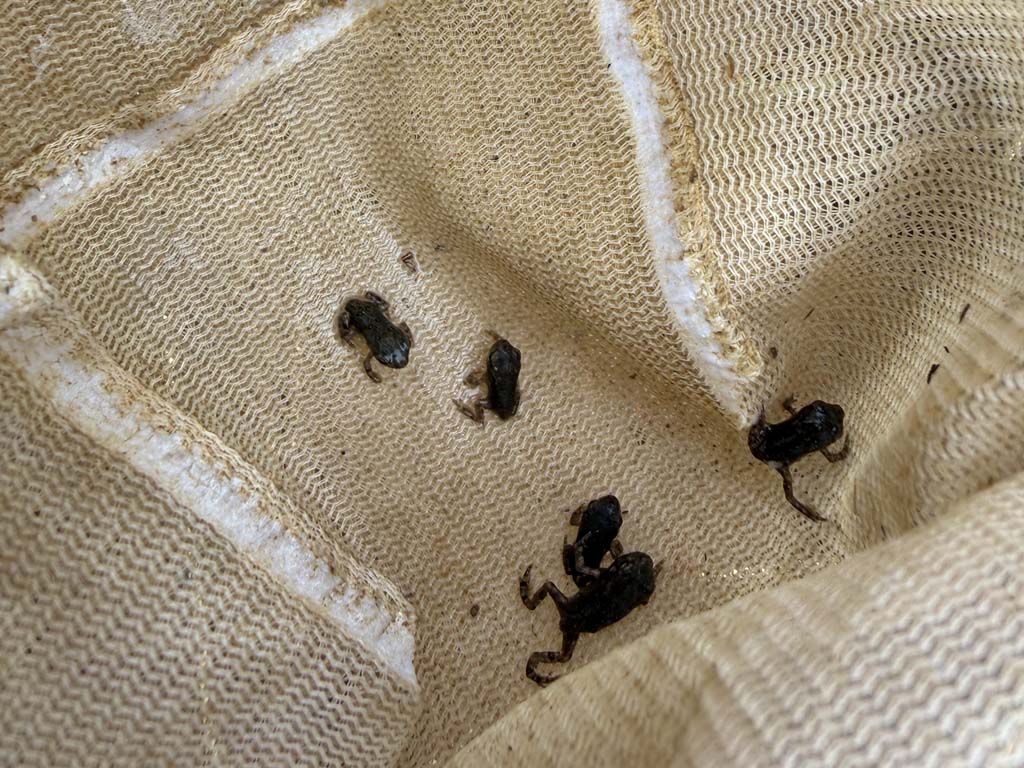
After hatching and developing, these newly emerged toadlets entered one of the most vulnerable stages of their lives, beginning to disperse into the surrounding habitat. Once they leave the water, only a small percentage survive the early days on land, facing predators and invasive fire ants.
As Zach explained, “First, it’s tadpoles in the water, and not long after, you’re seeing fragile toadlets smaller than a dime on the shore.”
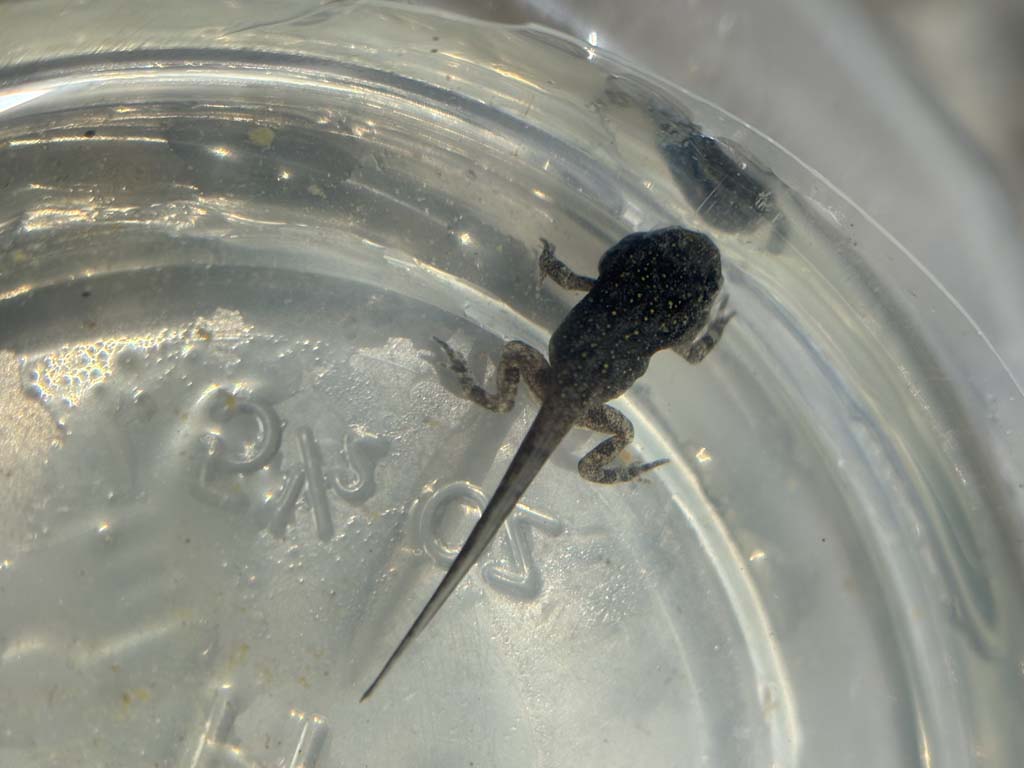
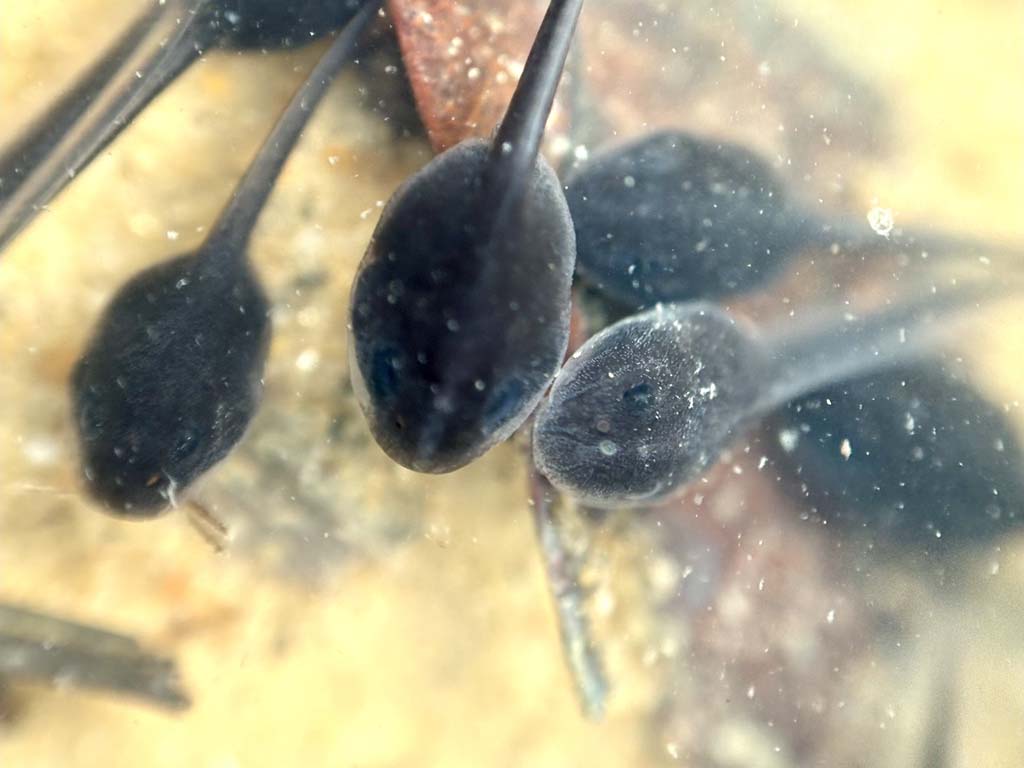
For a species that has lost most of its historic range and is now known from only two wild populations, moments like this represent more than a biological milestone. They’re a glimpse of what it takes to give the toad its best chance of survival.
“It really comes down to what the upland area can support,” explained ARC Executive Director JJ Apodaca. “If the habitat isn’t healthy beyond the pond, those toads don’t get very far once they leave the water.”
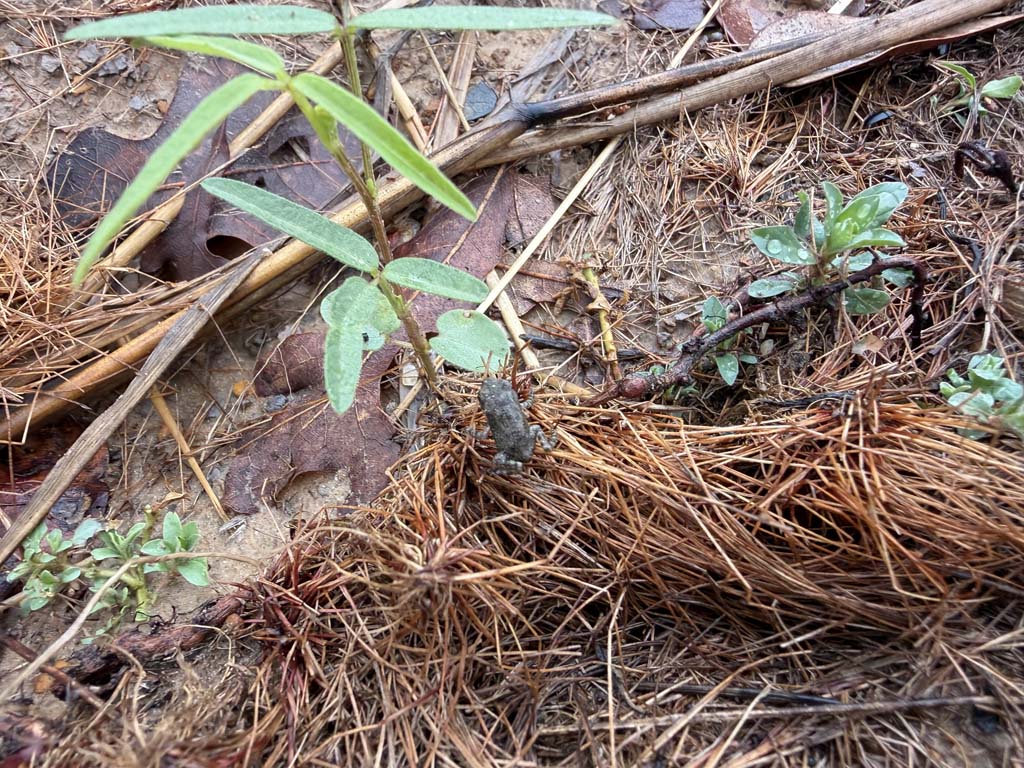
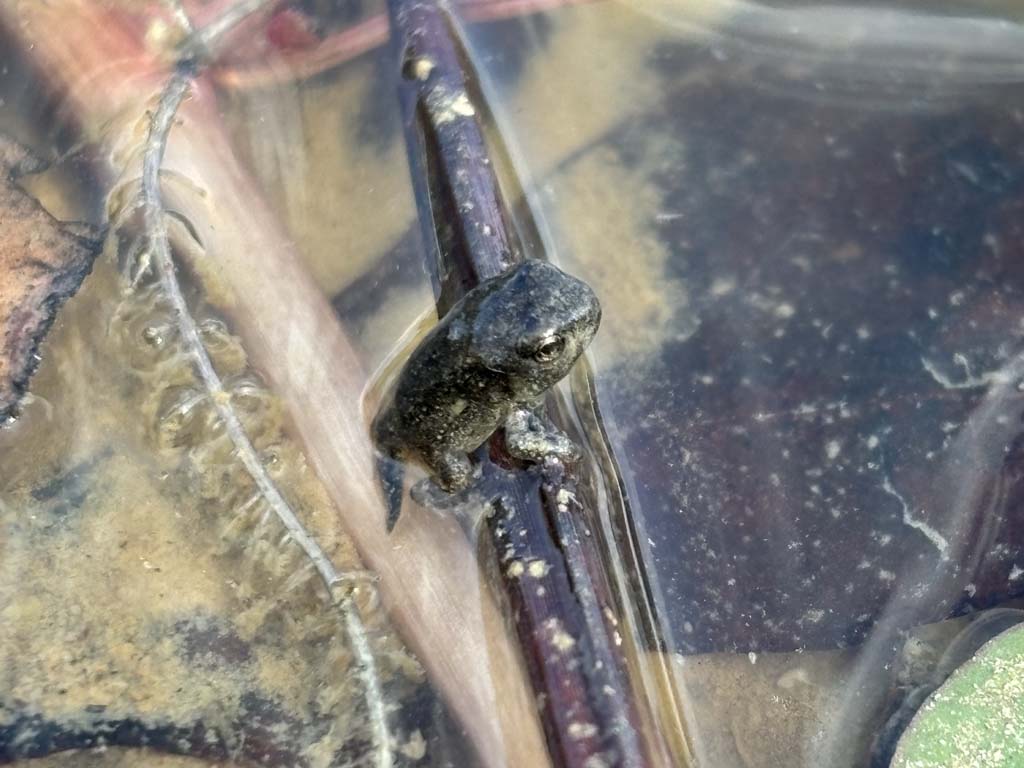
That means their recovery depends on a network of managed habitat that extends beyond public lands, like Bastrop State Park. In recent years, alongside our partners, we’ve worked with private landowners across the species’ range to restore the Post Oak Savannah ecosystem it relies on.
Post Oak Savannah is a mix of open areas with widely spaced post oaks and grassy understories, dotted with scattered wetlands and shaped over time by fire. Historically, these were sunlit spaces dominated by grasses and other small plants, broken up by clumps of trees.
It’s where Houston toads evolved, moving between shallow breeding ponds and surrounding uplands. With decades of fire suppression and changes in land use, woody shrubs and trees have filled in many of the once-open areas.
What remains are scattered patches that now depend on active management to restore the matrix of trees and grass Houston toads need. That work often includes prescribed burning and manual removal of overgrown woody plants to keep the habitats open. These efforts help build connectivity in a system where suitable habitat is patchy.
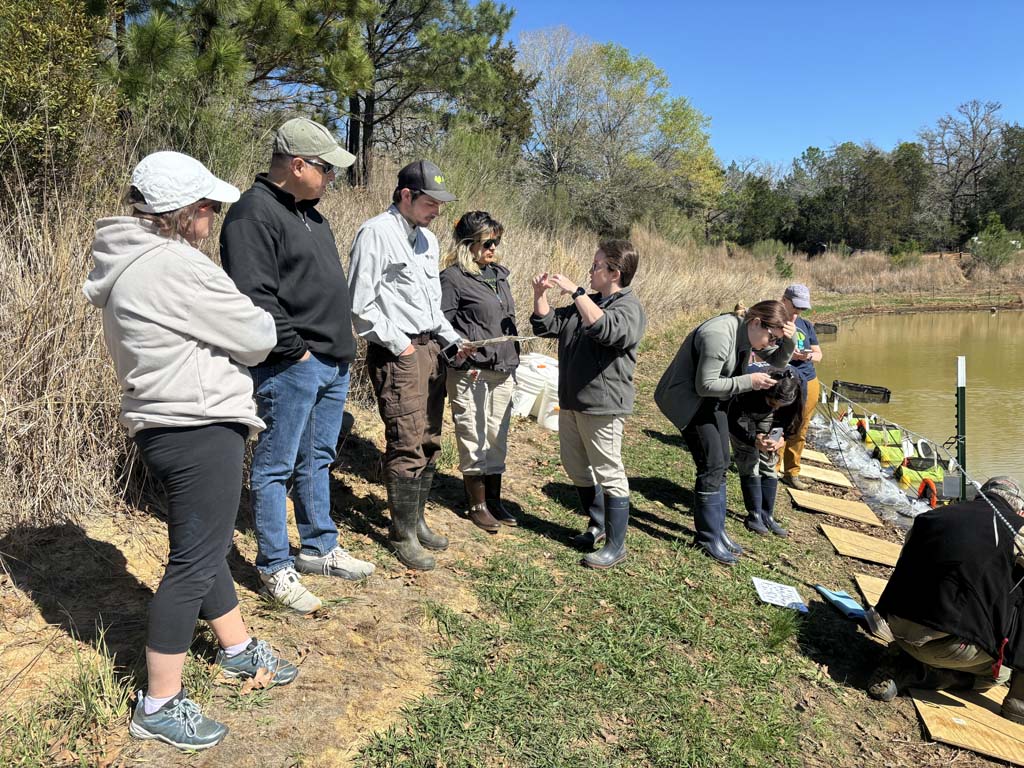
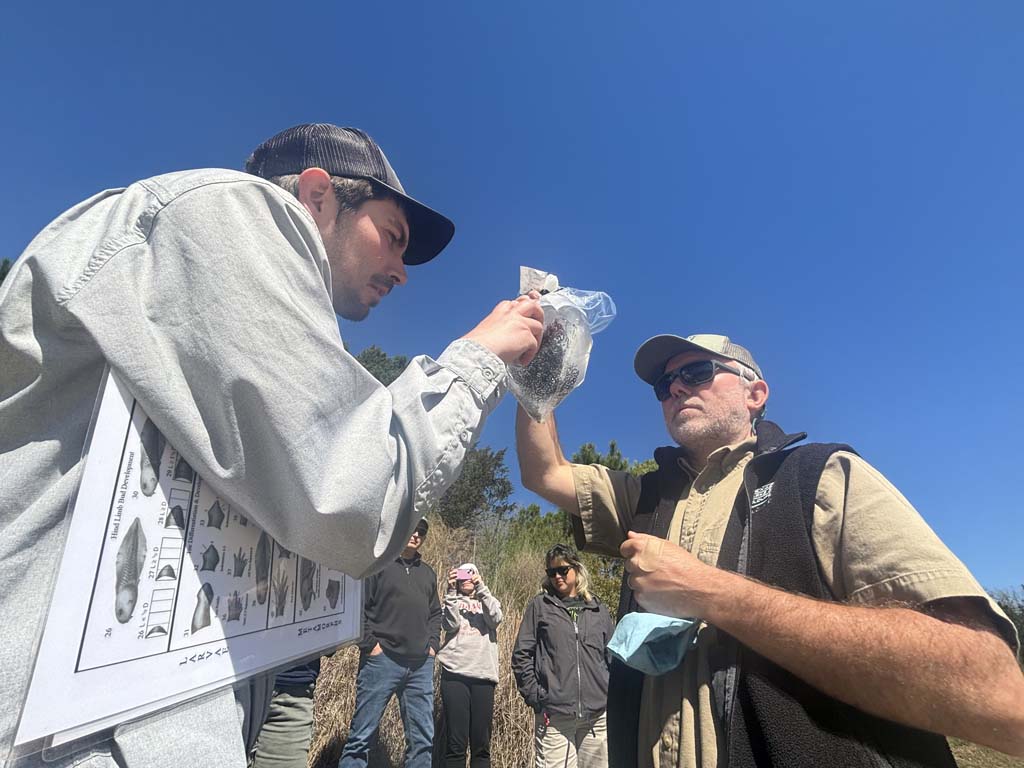
Houston toad recovery brings together a network of partners working across public and private lands. Our collaborators include agencies and organizations that have been part of bringing Houston toads back for decades, including the Texas Parks and Wildlife Department, the US Fish and Wildlife Service, the Houston Zoo, and the Fort Worth Zoo.
Over time, these efforts have expanded from releasing captive-bred toads into the wild to also restoring the habitat they need to survive once they get there. Now, we have a landscape-scale recovery program spanning public and private lands and integrating habitat restoration, reintroductions, and long-term monitoring throughout the species’ range.
State and federal agencies help guide ongoing recovery planning and ensure that habitat management aligns with species needs. Captive breeding programs provide the eggs and toads that make releases like this possible, while field partners help place them into suitable sites and restore ecosystems on the ground.
At Bastrop State Park, the egg releases reflected these years of coordinated efforts across the landscape.
Now, as the toadlets move away from the pond, the work of recovery follows them into the surrounding ecosystem. Their survival depends on whether they can find passage through the patches of habitat beyond the water’s edge.
Throughout Central Texas, private landowners and partners are continuing to restore the Post Oak Savannah, reconnecting breeding sites with the uplands Houston toads use throughout their lives. Together, these targeted actions are improving the odds that the next generation of Houston toads can move beyond the pond and remain on the landscape.
As Zach said, “Seeing the number of toadlets dispersing away from the pond, combined with the private landowners I work with to improve their habitat, gives me hope that there will be even more stampedes of little toads across their historic haunts in the Post Oak Savannah.”