Tortoises Take Time: Protecting Imperiled Wildlife and Habitats at Camp Shelby
“In our surveys, the oldest gopher tortoises we find are often older than the people studying them,” said Sidney Godfrey, Camp Shelby Project Coordinator.
Last year, a soldier at Camp Shelby Joint Forces Training Center in southern Mississippi found a marked wild gopher tortoise that still carried part of an old radio telemetry tag on its shell. When Sidney examined the tortoise and looked up its identification, he discovered that another researcher had first captured and marked the adult tortoise in 2000. Based on the historical data, the tortoise was likely around 45 years old.
That’s pretty impressive for an animal living on a landscape that also serves as a major military training installation. But at Camp Shelby, armored vehicles and armored species coexist.
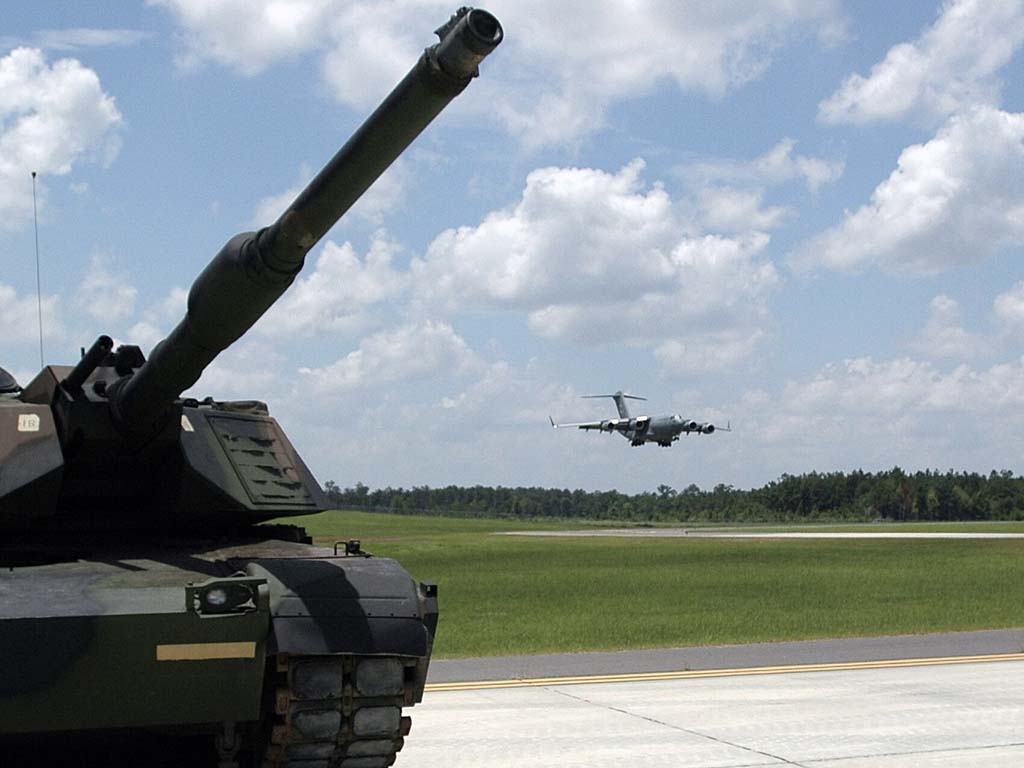
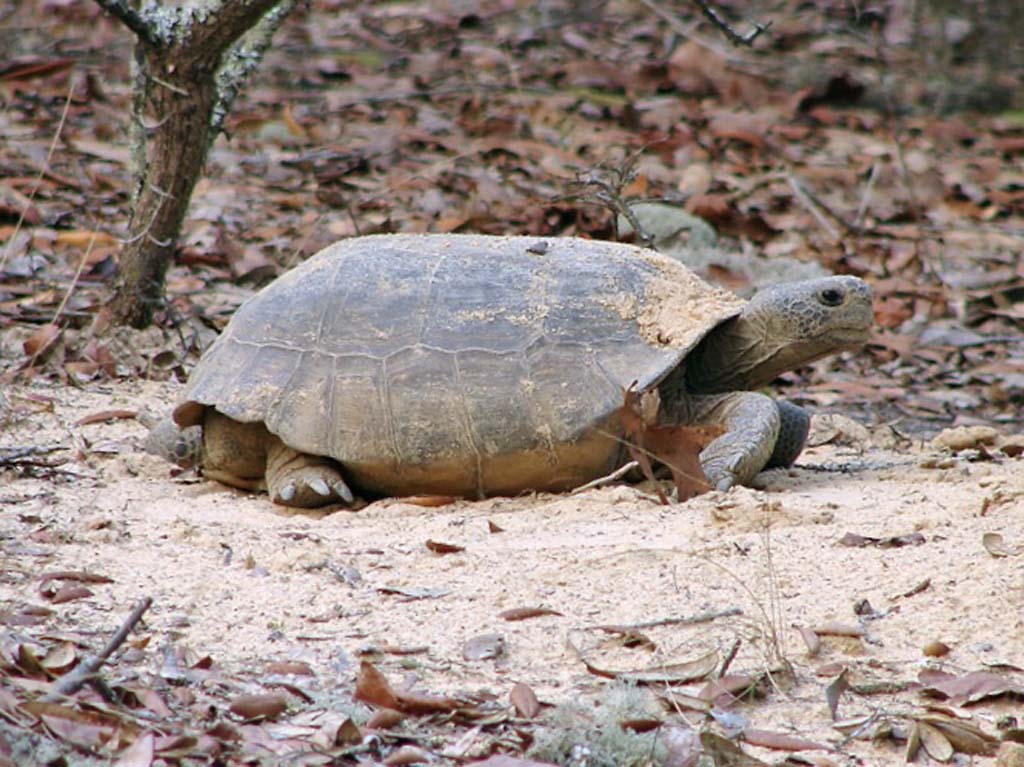
With our partners at the Mississippi Army National Guard, we’re helping to give Threatened gopher tortoises and other at-risk reptiles and amphibians a better chance, not just to coexist, but to thrive here.
Part of the challenge is gopher tortoises’ own biology. We’ve seen that, in Mississippi, they can take at least 12-18 years to reach maturity and begin reproducing. That means each new generation takes a long time to replace itself, making the survival of young tortoises especially important.
At Camp Shelby, many of those young tortoises are getting a much needed boost through an approach called headstarting.
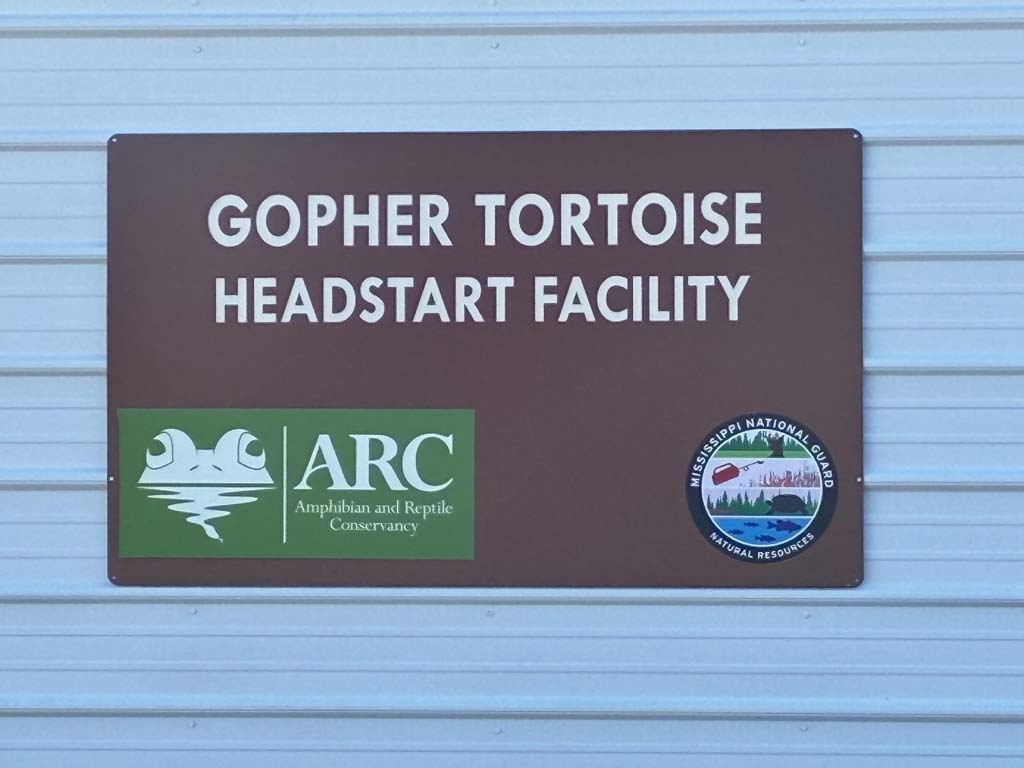
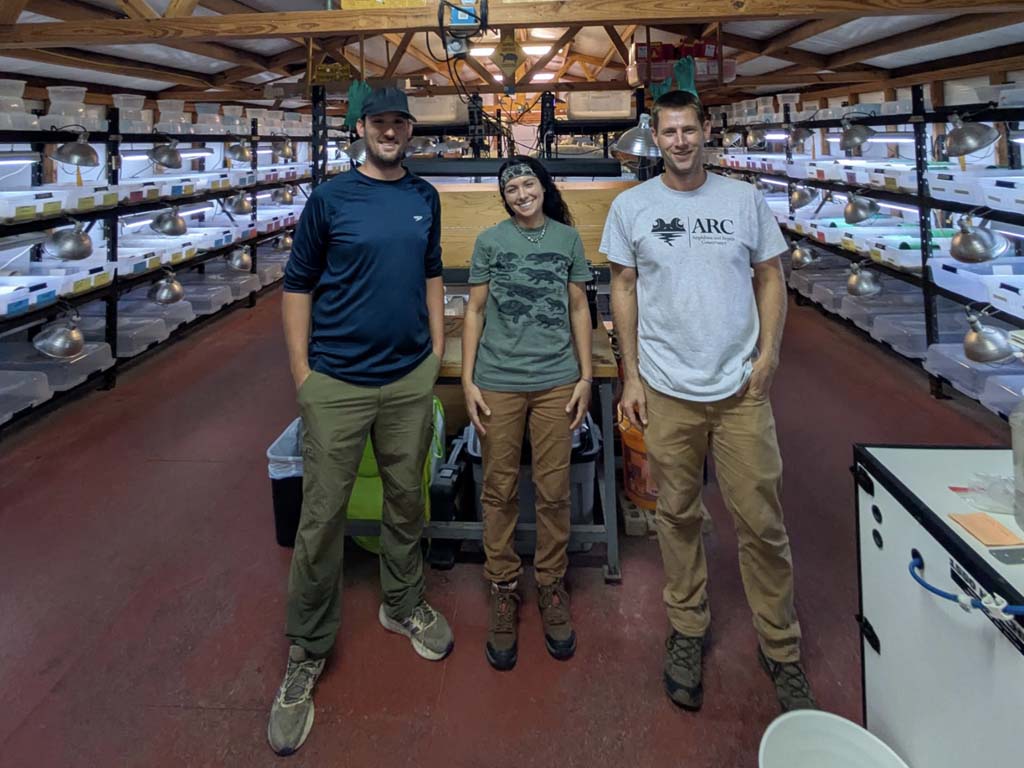
“The gopher tortoise headstart facility is a special place,” said Sidney.
Inside a nondescript storage building at Camp Shelby, rows of plastic and wooden bins hold young gopher tortoises at different stages of development. “It doesn’t seem like much from the outside,” added Sidney, “but all of our visitors comment on how large and filled with tortoises it is once they see the inside.”
Heat and UV lamps keep the rooms warm, while fans run constantly. These tortoises were hatched from eggs collected from the wild and will spend 2-5 years here before they’re released back onto the landscape.
Headstarting is an effective intervention because gopher tortoise eggs and soft-shelled hatchlings face considerable threats from predators, and many don’t survive their first year. In fact, roughly two-thirds of gopher tortoise nests in a given year may be dug up and eaten by predators before the eggs even hatch.
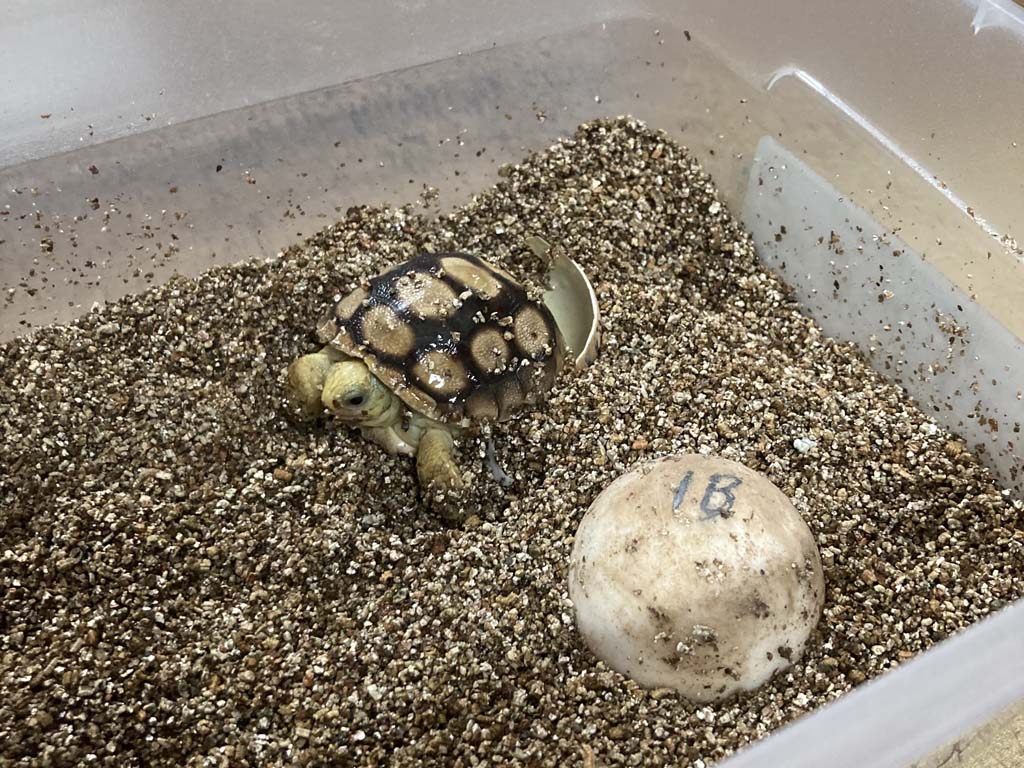
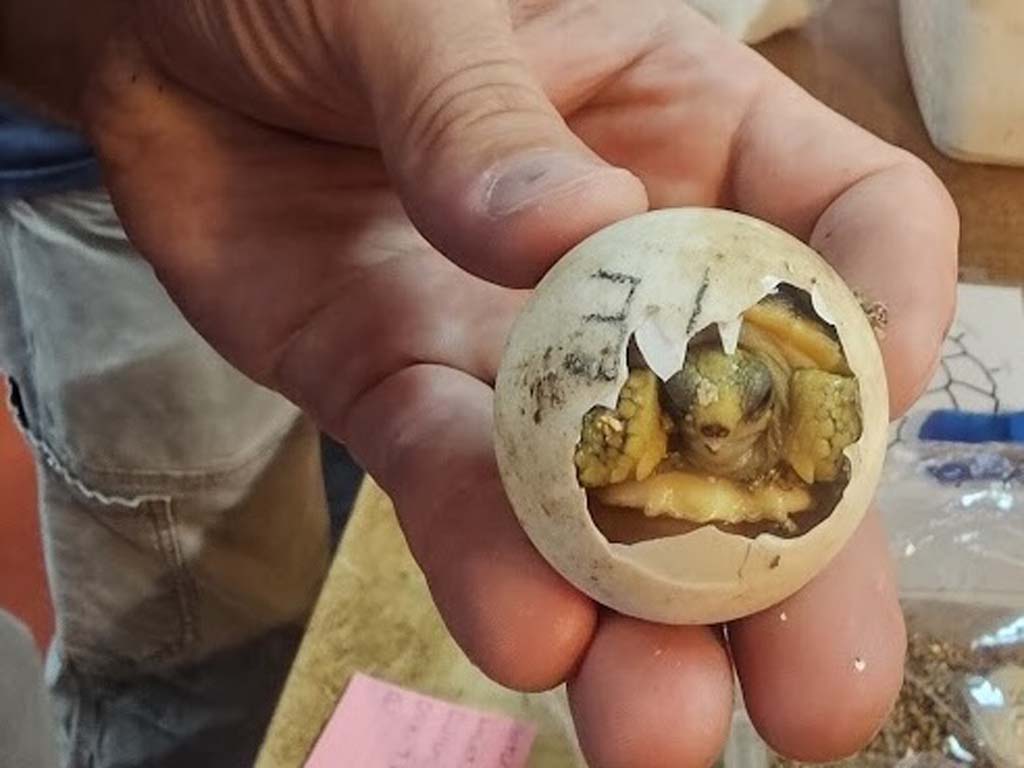
By collecting the eggs and raising young tortoises in captivity, we give them time to grow larger and develop harder shells before release. Headstarted tortoises can reach two to three times the size of wild tortoises of the same age, making them better equipped to withstand some of the challenges they’ll face in the wild.
The current indoor headstarting program began in 2014, building on earlier conservation work at the installation. The first 16 tortoises were released in 2016, and the team has released 831 to date.
As National Program Director José Garrido said, though, “A release is an easy moment to photograph, but checking burrows, recapturing animals years later, and figuring out what worked are what tell us whether we’re making progress.”
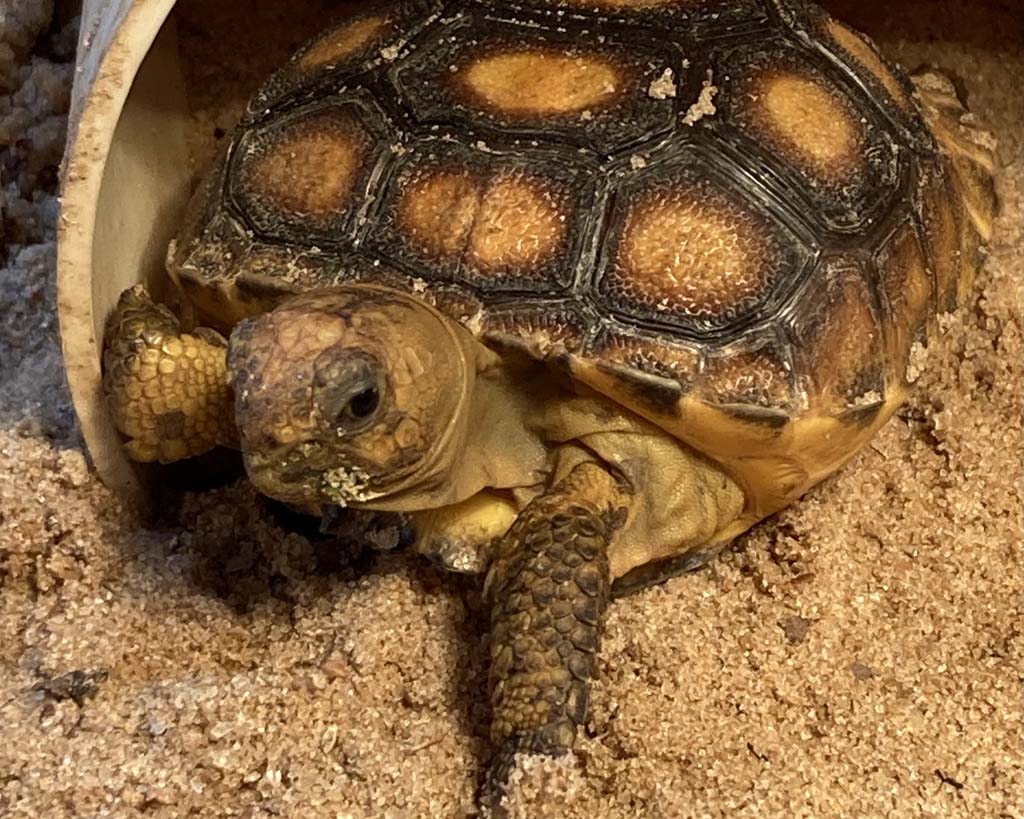
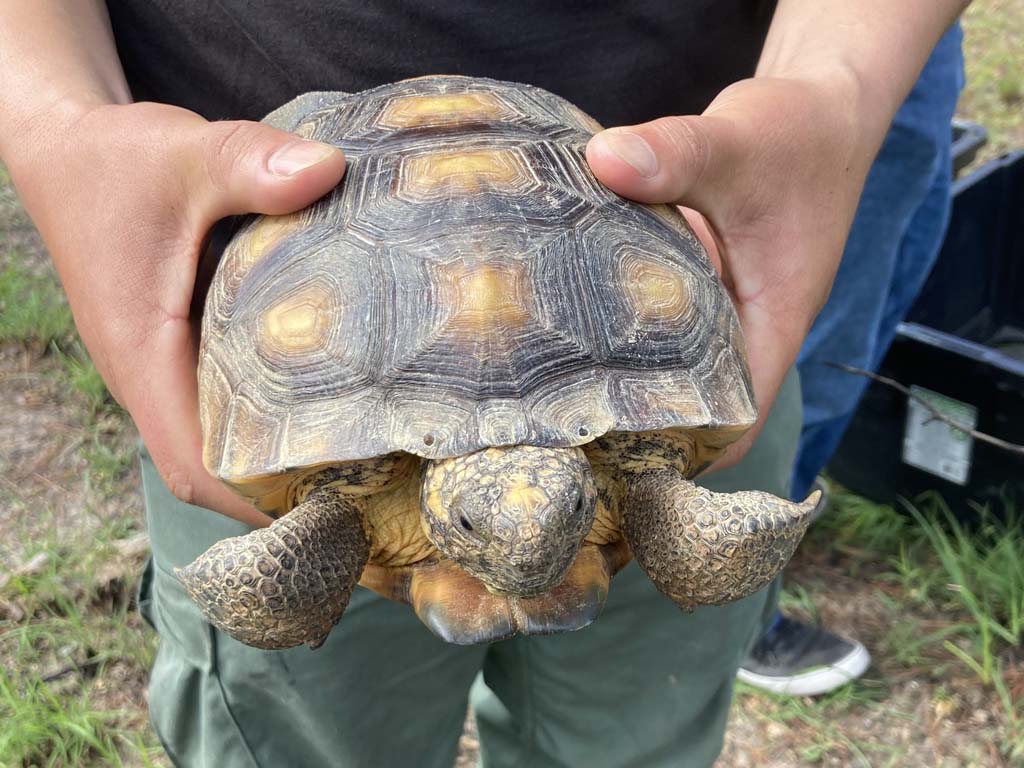
Last year, the team recaptured four tortoises that had been released five or six years earlier, measuring their growth and documenting that they’d survived the years since their release.
In July, ARC took over the program from The Nature Conservancy, continuing the work in partnership with the Mississippi Army National Guard. We’ve retained the field team and the experience they’ve built over years of headstarting and monitoring gopher tortoises.
That continuity is important for a species that takes so long to mature. The team knows the individual animals, the habitat, and the history behind the program. We’re building on that foundation by researching what helps tortoises survive and reproduce and carrying out targeted actions to help ensure they do.
As José explained, “Producing more tortoises won’t solve the habitat problem.” Tortoises need suitable habitat and continued protection.
“Good tortoise habitat usually consists of three things: an open pine tree canopy, frequent fires, and sandy soils,” said Sidney.
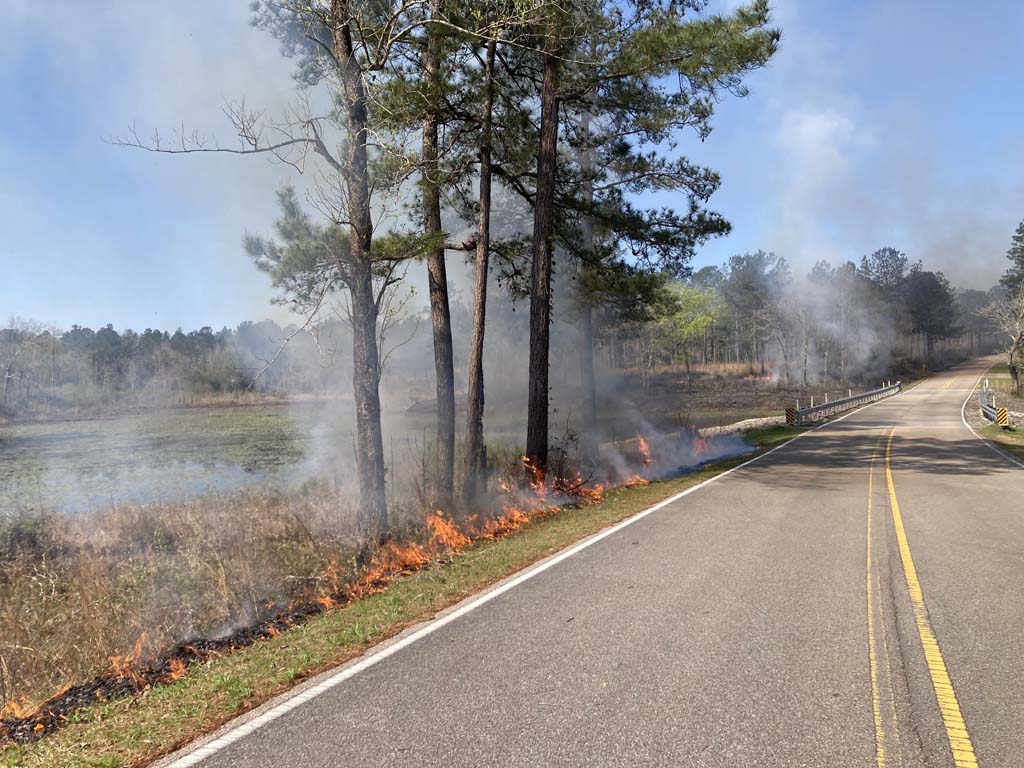
At Camp Shelby, that means maintaining longleaf pine forests, which are often grassy savannas with widely spaced, older pine trees and few shrubs or smaller woody plants. Historically, these forests burned every two to three years. Frequent fires kept woody vegetation in check, allowing sunlight to reach the forest floor and promoting the grasses and other low-growing plants gopher tortoises need.
We work alongside the Mississippi Army National Guard and the US Forest Service on prescribed burns and other habitat management efforts. In 2026, the team and partners conducted seven burns covering almost 1,400 acres.
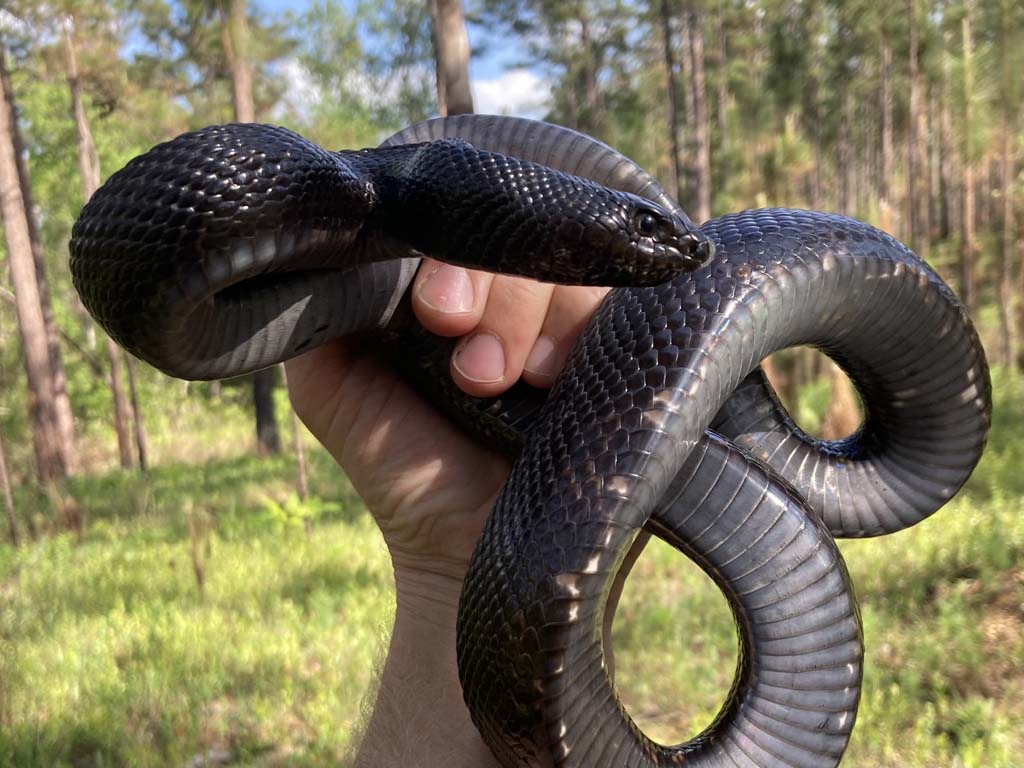
Longleaf restoration benefits not only gopher tortoises but also a larger community of wildlife, including the Camp Shelby burrowing crayfish, a species found nowhere else. Plus, the team monitors black pinesnakes and surveys wetlands, so far documenting 23 amphibian species across 50 wetlands on the installation.
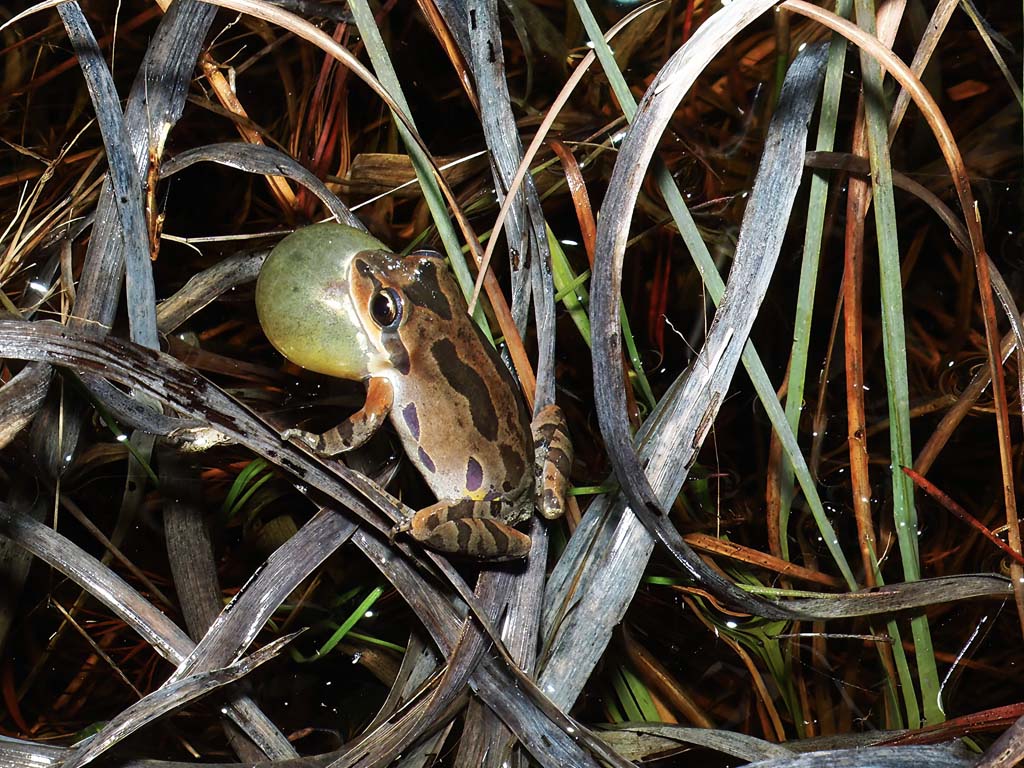
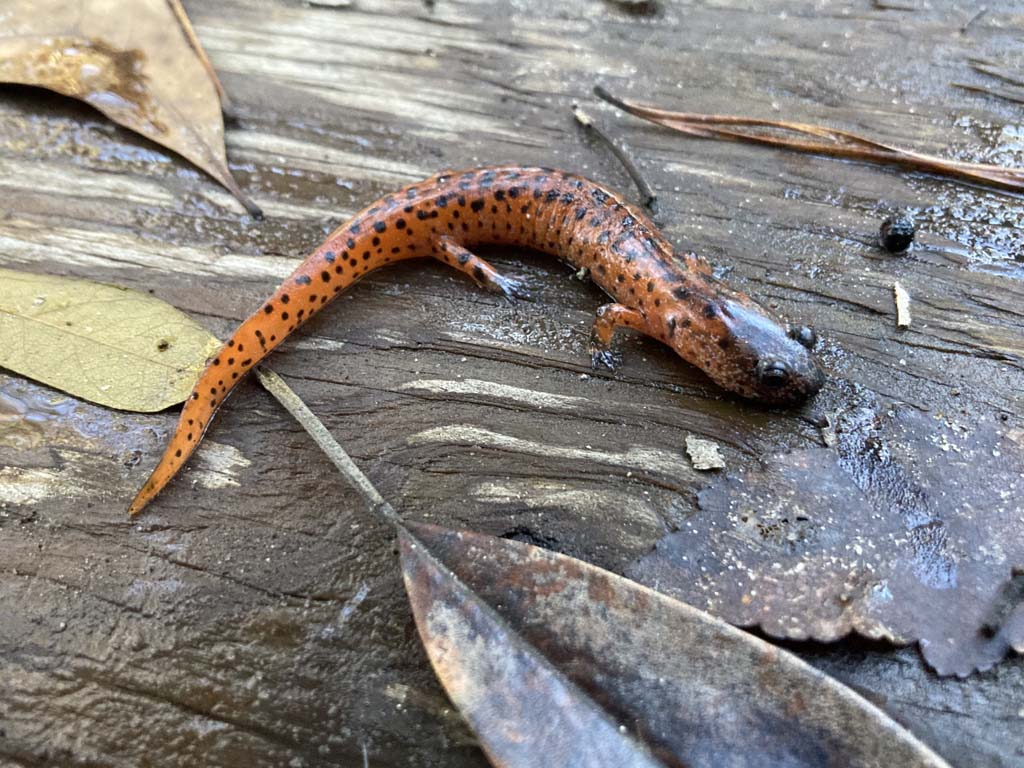
Together, these efforts help us understand the wildlife that depends on this landscape and identify where to strategically focus conservation actions.
And gopher tortoises support many of these species, both directly and indirectly. The burrows of this keystone species provide refuge from fires and extreme temperatures, creating relatively stable conditions for other animals. Plus, as tortoises forage, they disperse plant seeds, helping shape where plants are found in the ecosystem.
The relationship works both ways: the longleaf pine landscape gives tortoises the conditions they need to survive, while tortoises play a role in the long-term health of these forests.
And that’s why, for us and our partners, protecting gopher tortoises means more than raising young animals and releasing them. It means protecting and restoring the whole ecosystem, including maintaining the landscapes they depend on, year after year.
“Tortoises take time,” said José. “Having a program that can stay with them matters.” That commitment is critical not just for the armored species here but for Camp Shelby’s natural heritage overall.