Building a Safety Net: Recovering the Endangered Jemez Mountains Salamander
Jemez Mountains salamander. Red Hills salamander. Santa Cruz black salamander. What is it about salamanders that inspires people to name them after the places they’re found?
“I like to believe it’s because they embody so many of the places they inhabit,” said JJ Apodaca, ARC’s Executive Director. “When you see a salamander in a creek or under a rotting log, they seem to be as much a part of that feature as the log or creek itself. And often, you see them nowhere else on Earth.”
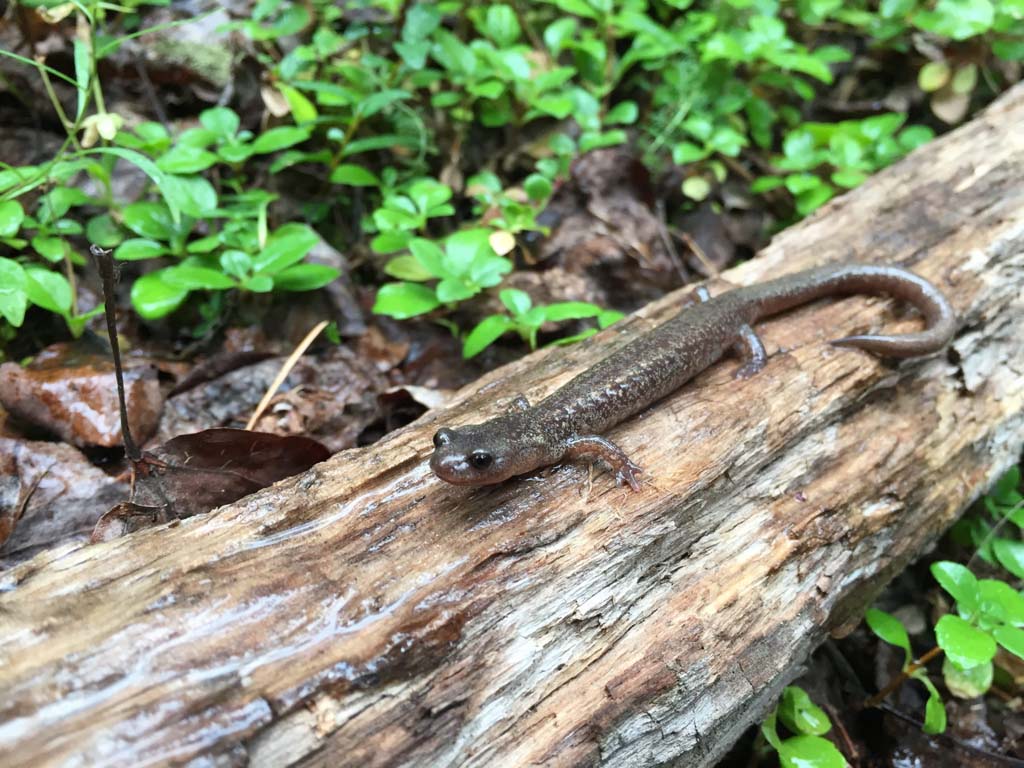
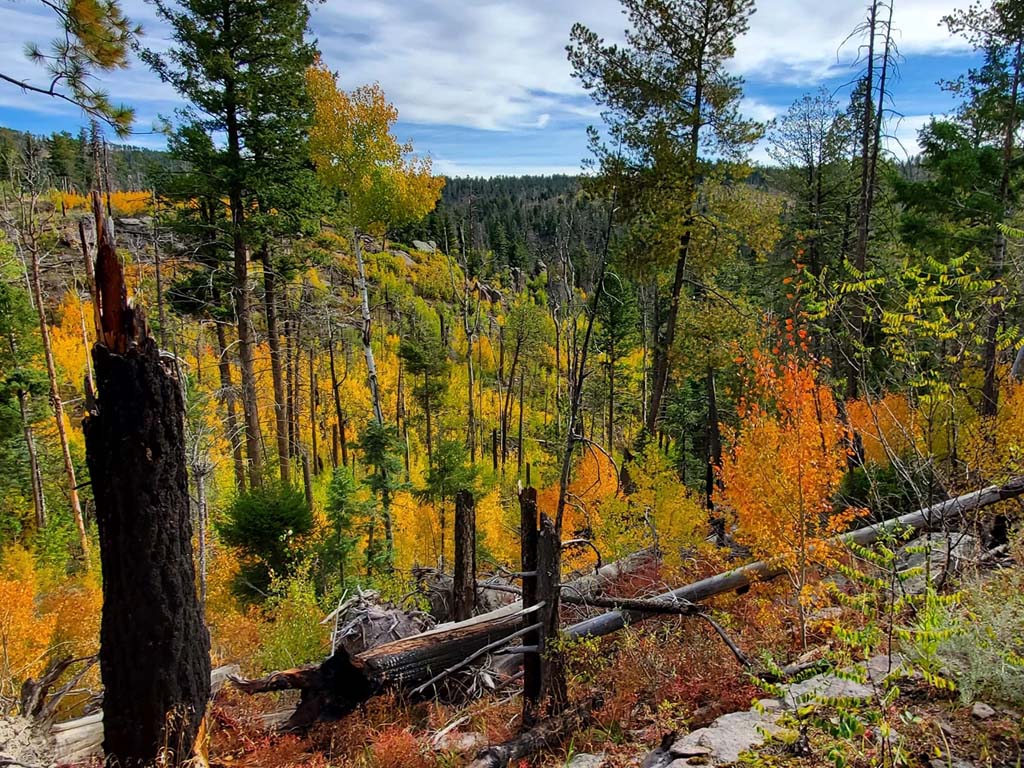
The close relationship between salamander and place, in this case between the Jemez Mountains in northern New Mexico and their namesake salamander, was of course not an accident. It was the result of millions of years of evolution. Of adaptation and survival in one of the most unique places in the world.
But what happens when that place begins to change rapidly? Adaptations that once allowed the species to thrive become a detriment. Populations shrink and the species moves perilously close to the edge of extinction.
For the Endangered Jemez Mountains salamander, that question is no longer hypothetical. Its populations have experienced precipitous declines over the last several decades.
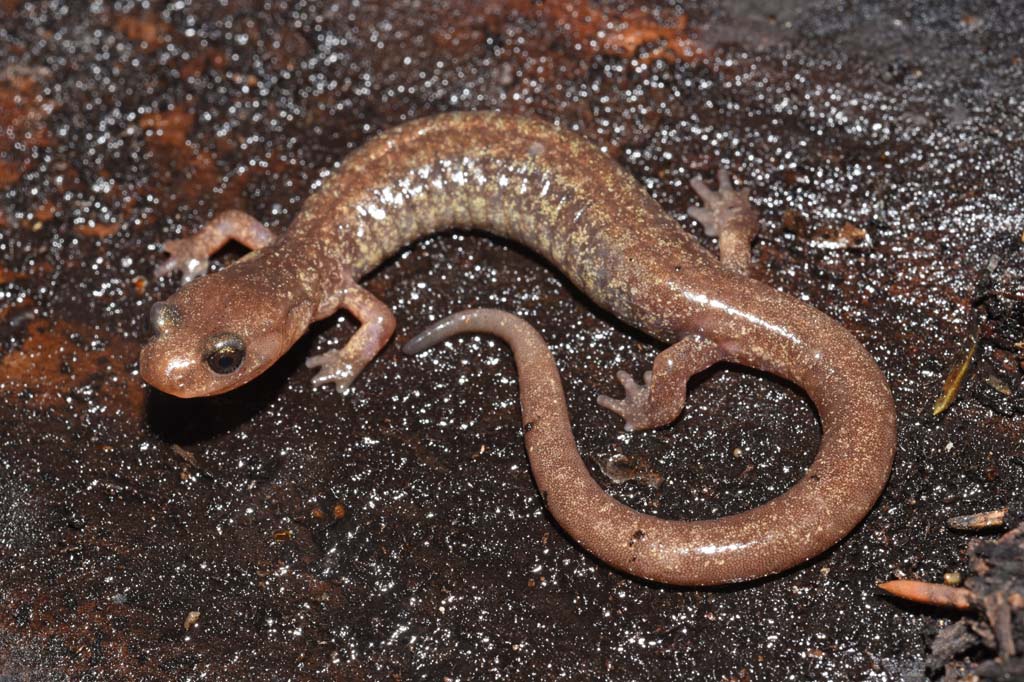
[What do we know about how many Jemez Mountain salamanders remain in the wild? What has changed over the past several decades? What are the biggest factors contributing to the decline?]
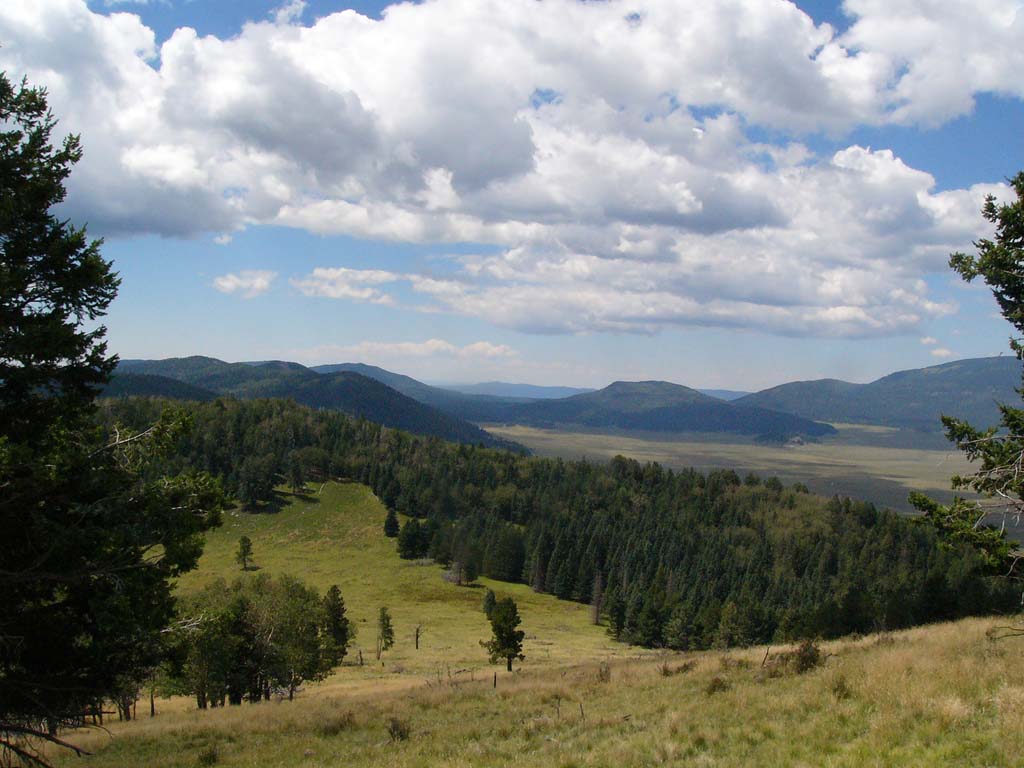
In the Jemez Mountains PARCA (Priority Amphibian and Reptile Conservation Area) in northern New Mexico…
[What does the changing habitat look like on the ground? What does drought mean for the salamanders and the habitat they depend on?]
[What does it actually take to find one?]
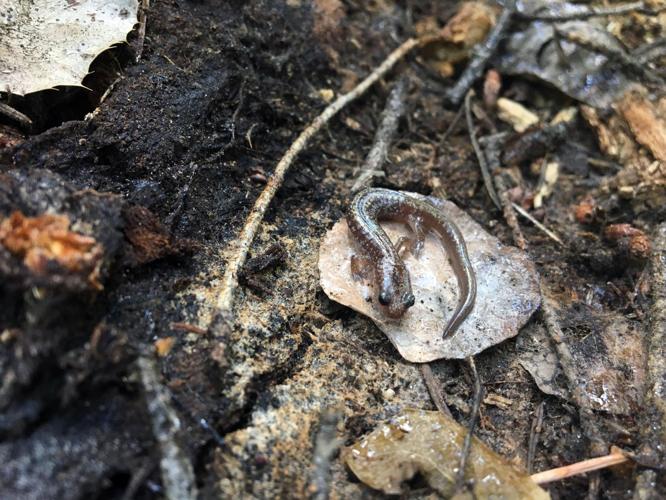
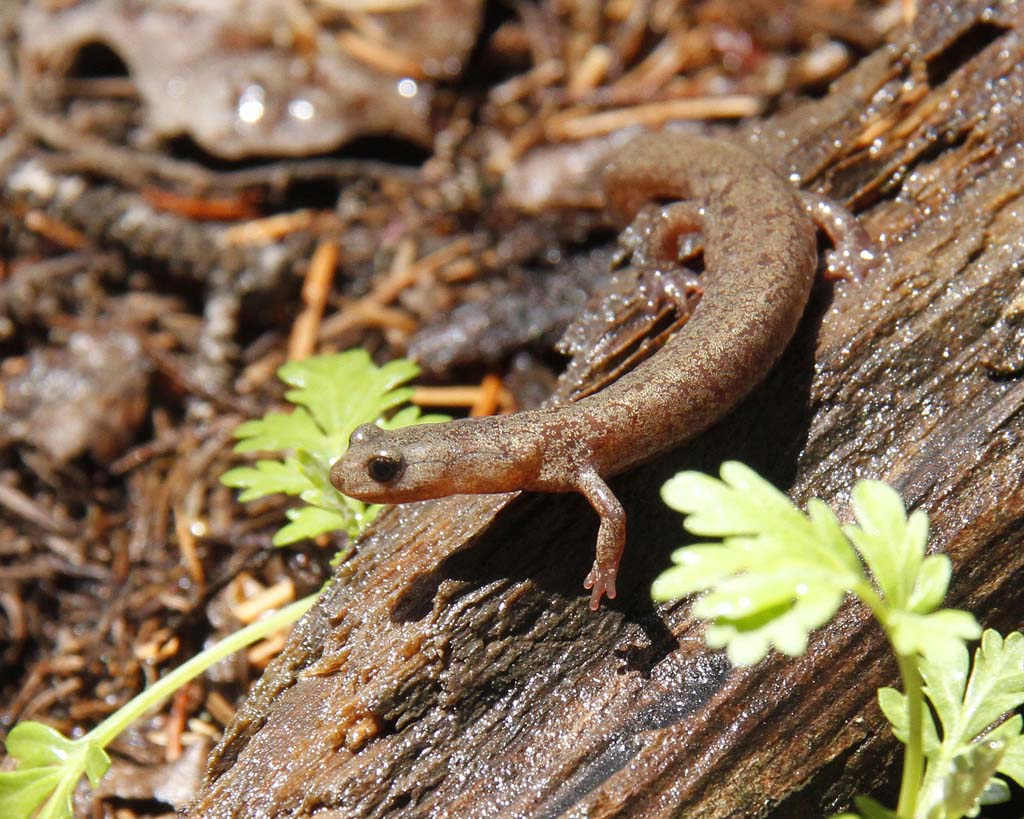
It can be daunting to think about recovery in the face of the large-scale challenges that this species is experiencing. Yet, there is one simple solution if we want to save this species, and that is to take action. One recovery-based step at a time.
As JJ said, “For the Jemez Mountains salamander, the first step is to ensure that we don’t lose the species entirely,” which is why we’re collaborating with the US Fish and Wildlife Service and the Henry Doorly Zoo in Omaha to establish the first ever captive population for the species.
Starting a captive population is not a task we take lightly. We will only consider doing so if we believe that this is an action that can help the species in a major way and that it is imperative to do so for their recovery.
[Why is establishing a captive population necessary now?]
[What does it take to keep Jemez Mountains salamanders alive and healthy in captivity? What are the “life support” systems ARC is developing?]
[Is 25 the overall founding population target, or is this year’s collection goal closer to 10? Why is that number appropriate?]
Initially this effort will simply mean insurance that we don’t lose the species forever.
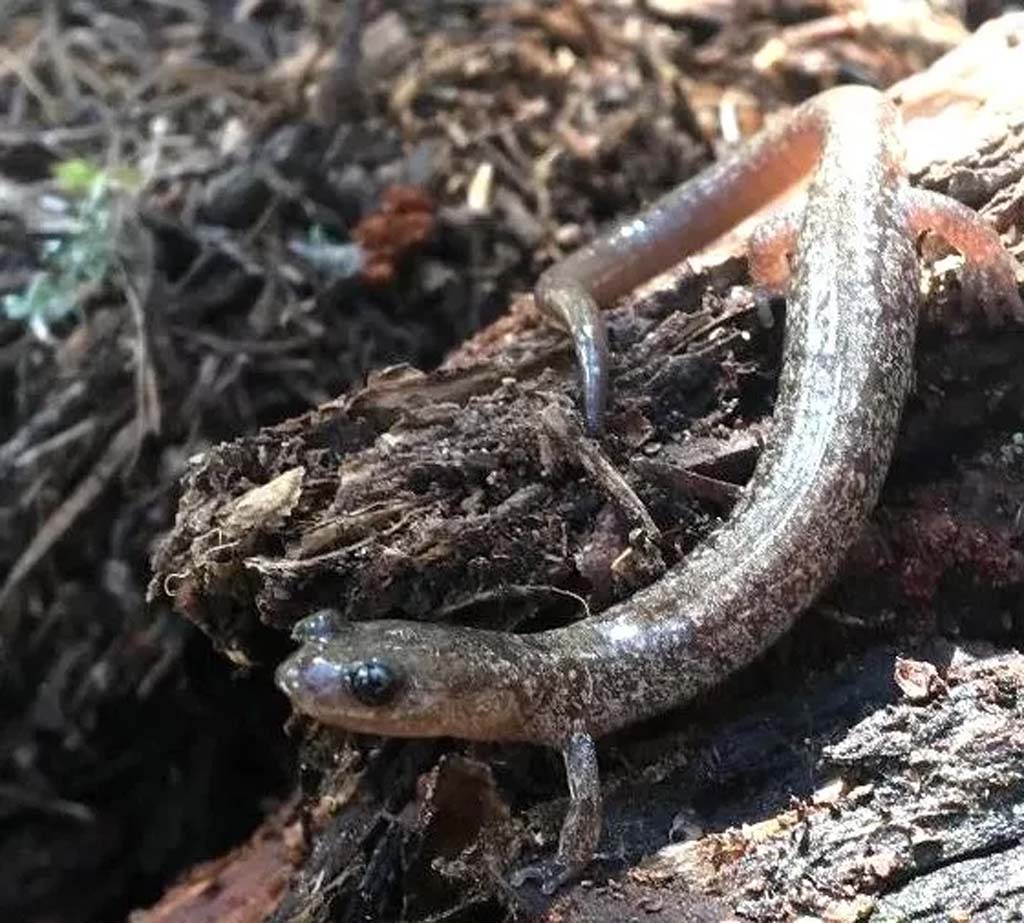
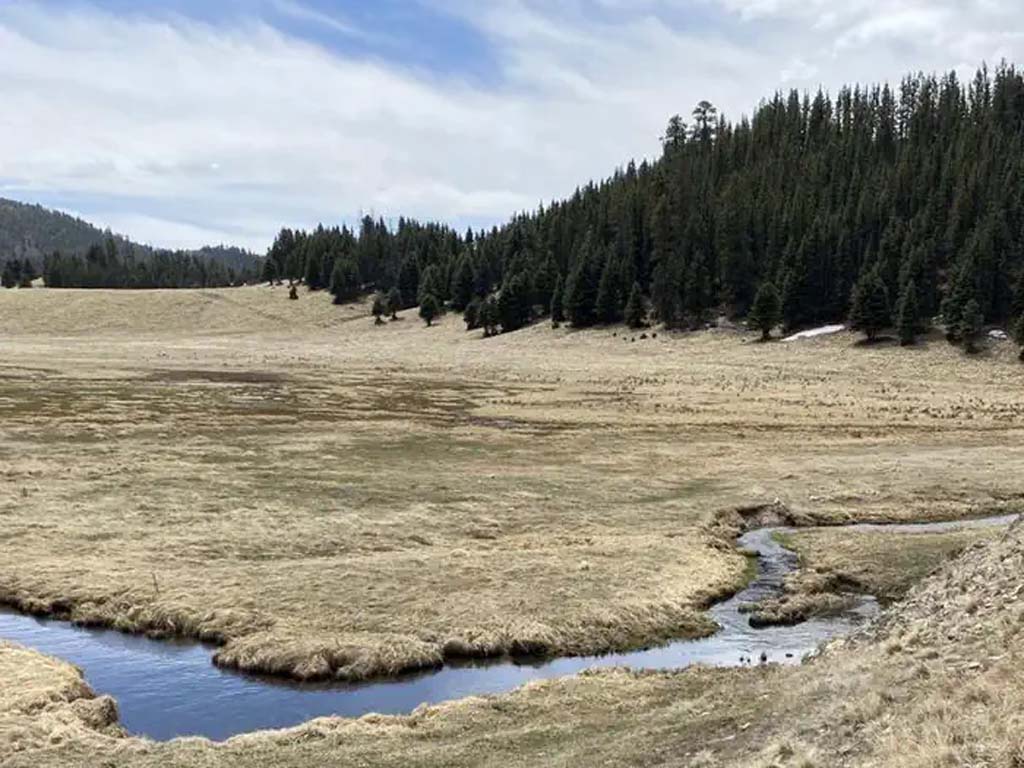
But establishing a captive population is only a single piece of the puzzle. We will also be working to establish a captive breeding plan so that we can begin to bolster declining populations and one day reintroduce the species to areas where it has been lost.
This will be paired with efforts to restore habitat and create conditions within their native range to be able to withstand the threats they face and ultimately to thrive once again.