Staying the Course for Amphibians and Reptiles During the Government Shutdown
On October 1, 2025, the federal government entered a shutdown after Congress did not pass new funding bills. Many essential services continue, but a large number of federal workers are furloughed and programs are suspended.
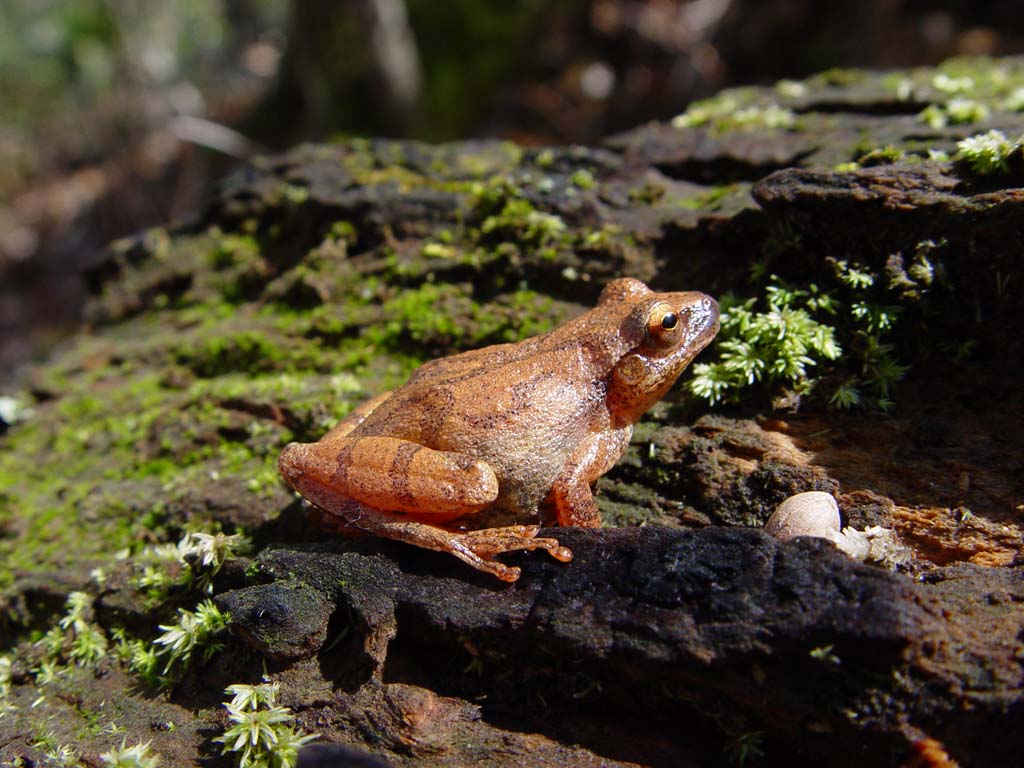
For wildlife, a government shutdown can mean an interruption of critical work that cannot easily be made up later. Sometimes, timing is everything, especially for amphibians and reptiles.
These species breed in narrow seasons and rely on specific conditions in healthy ecosystems. A few missed weeks of target population actions, habitat restoration, and other management efforts can mean missing out on the chance to give them the boost they need at the right time.
However, while many government conservation programs are temporarily frozen, ARC’s work has not stopped. This is what a strong conservation community looks like, collaboration when we can and support when it’s needed.
On the Frontlines When Others Must Pause
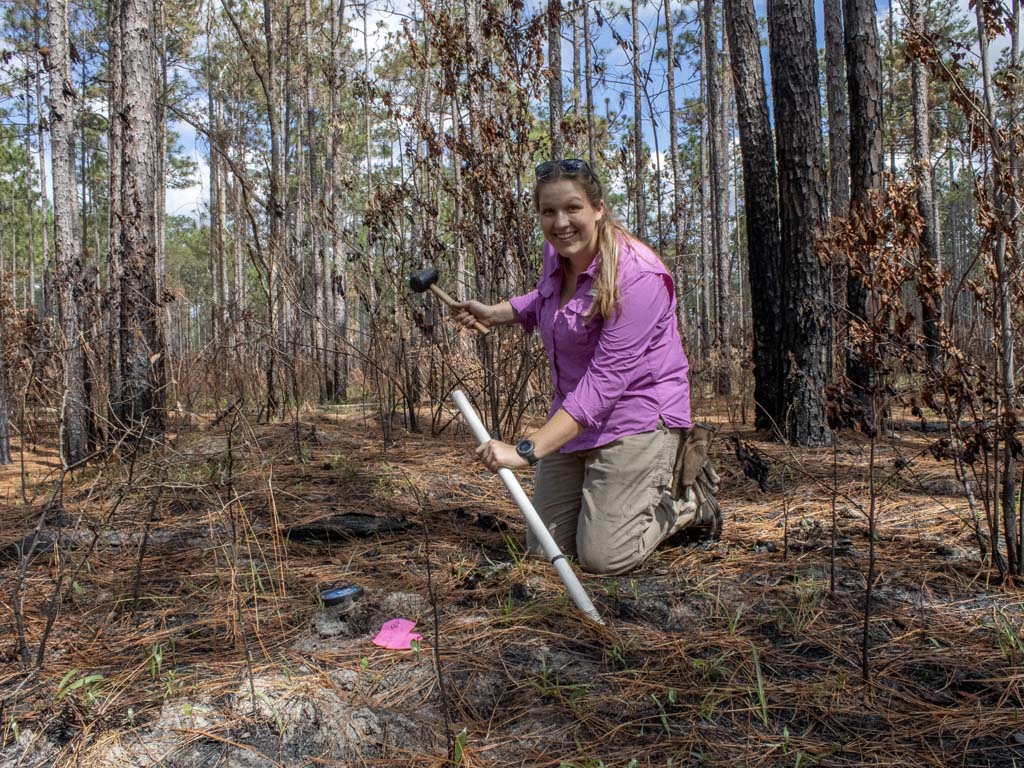
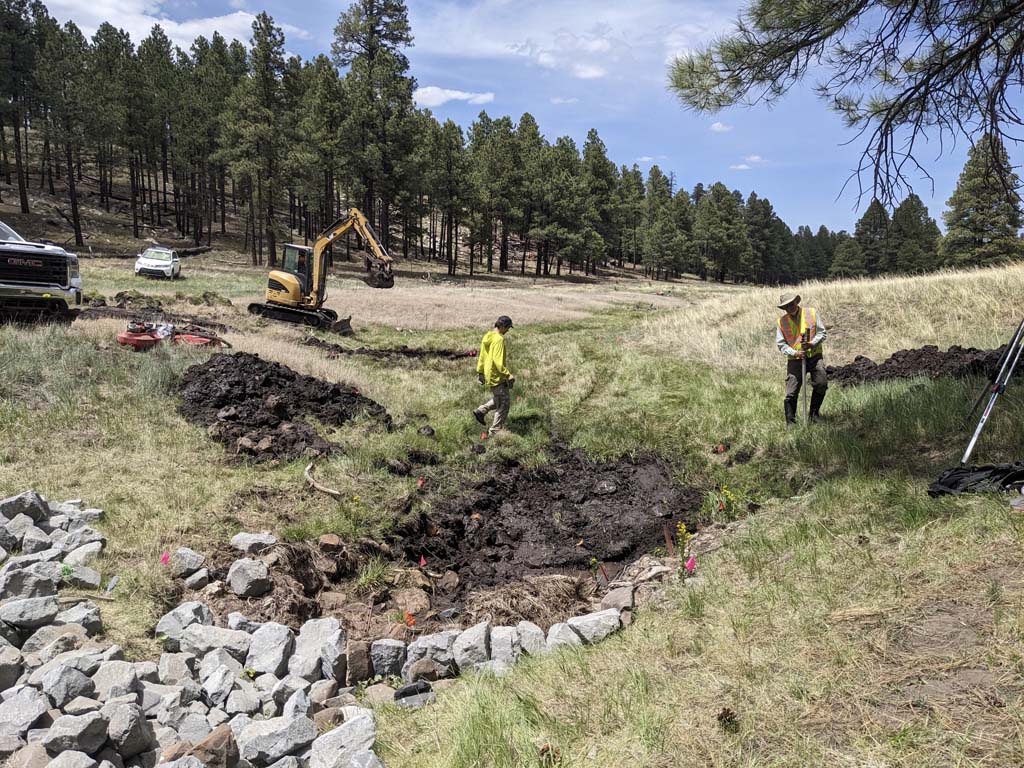
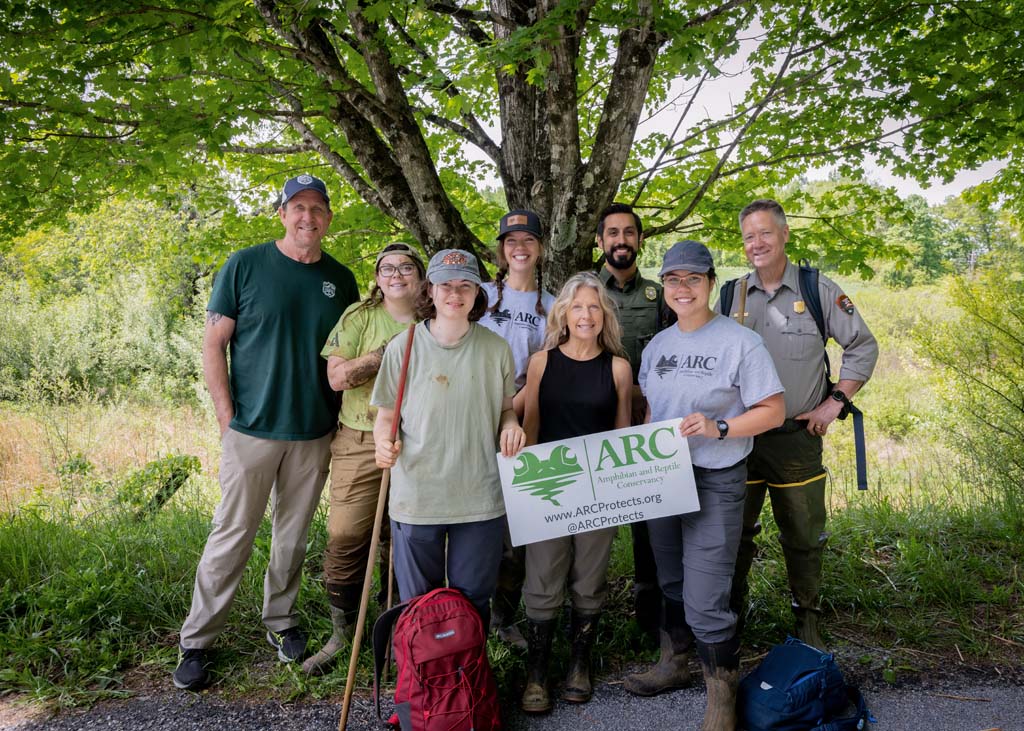
Our teams remain in the field, restoring habitat, monitoring populations, and advancing recovery efforts for imperiled species across the country. Because ARC was built to be nimble and proactive, we can keep moving when others cannot.
“Just because the government is frozen doesn’t mean the threats to species and populations stop,” said ARC Executive Director JJ Apodaca. “While government closures create gaps, our team doesn’t let up. Every week that passes without conservation work is one fewer opportunity for species to recover, and we aren’t willing to let that happen. We’ve built a system that allows us to keep moving forward.”
That system is rooted in our network of PARCAs (Priority Amphibian and Reptile Conservation Areas) across the US. The landscapes in PARCAs are the most important areas for amphibian and reptile conservation in the nation and include a mix of public and private lands.
By working at the landscape level and developing partnerships across property lines, ARC can keep making progress even when federal activity pauses.
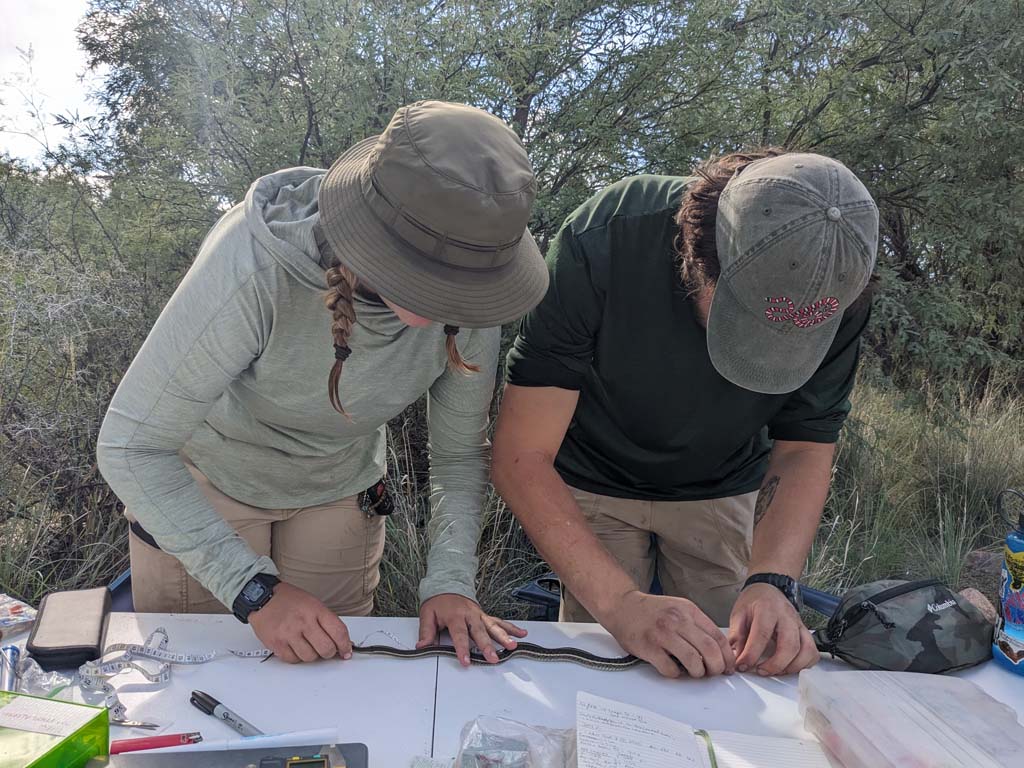
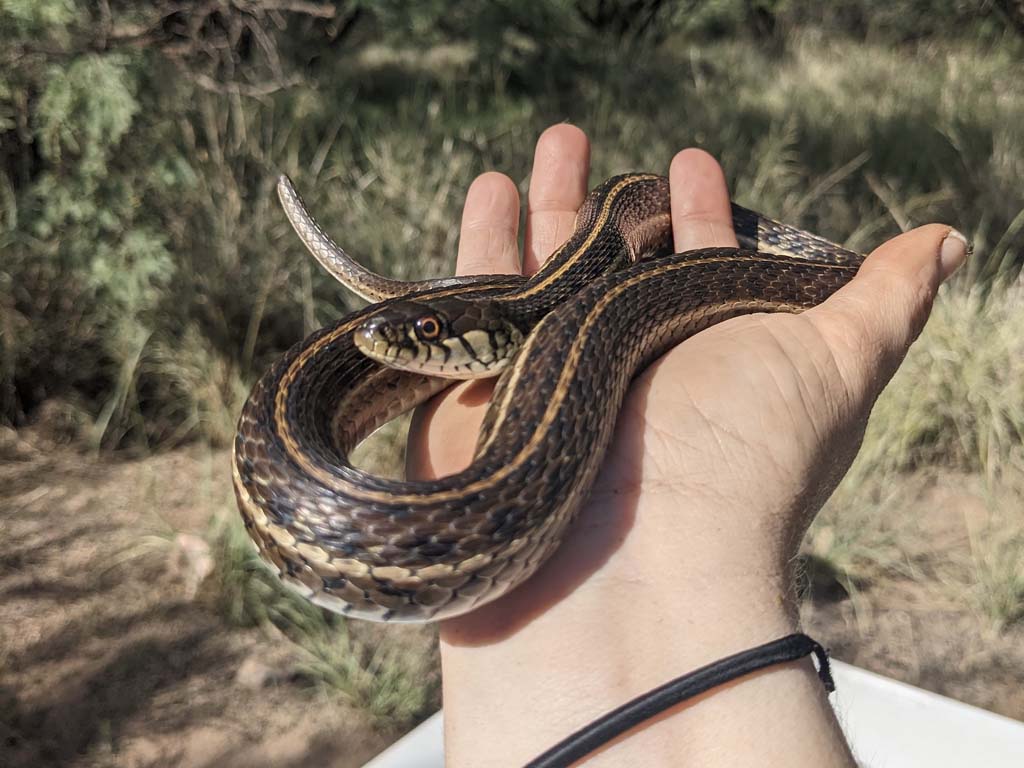
For example, in Arizona’s Cochise West PARCA, we’re conducting surveys for northern Mexican garter snakes at a time when our federal partners are unable to do so. We’re collaborating to confirm the presence of these federally Threatened snakes and get a Baseline understanding of how many are in the streams where beavers will later be introduced.
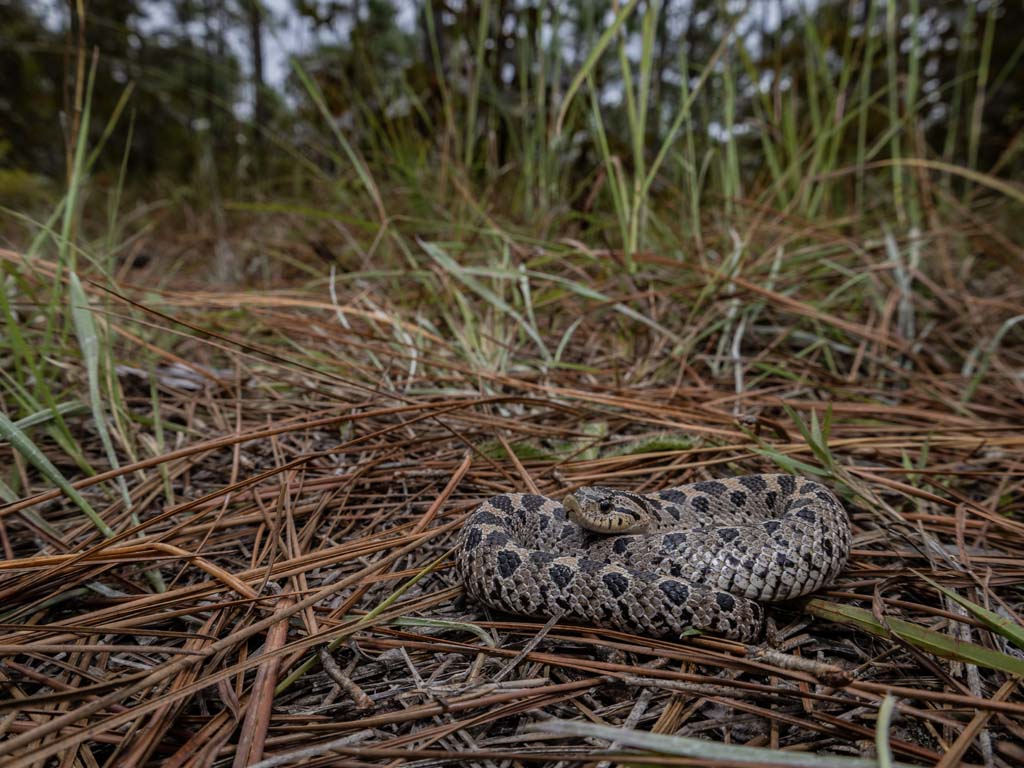
Farther east, in South Carolina’s Francis Marion PARCA, ARC biologists are continuing to monitor southern hognose snakes. We’re tracking them and their movements with fluorescent powder that glows under UV light. This kind of information is key for these secretive, hard-to-study snakes, which were recently proposed for listing under the Endangered Species Act (ESA) as Threatened.
Our ongoing work supports the long-term goals of the ESA. While some regulatory and funding mechanisms are paused, ARC collects data, monitors populations, and implements restoration projects that will inform and strengthen federal efforts once operations resume. This consistency ensures that hard-won conservation progress does not lose momentum.
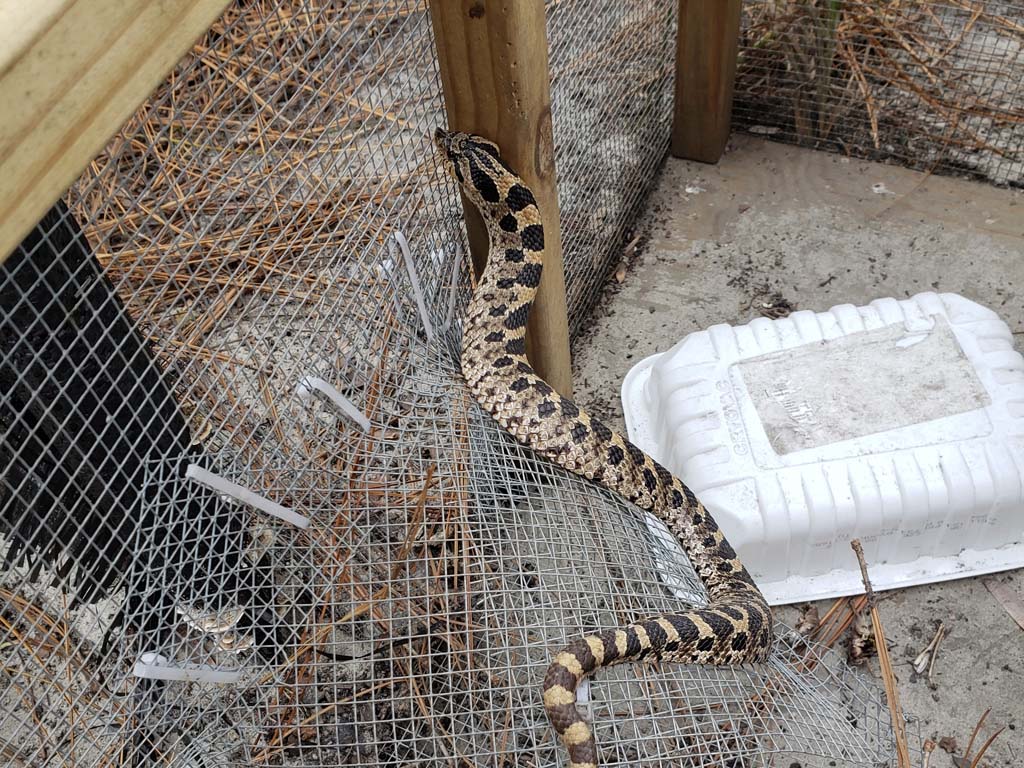
Similar efforts continue across other PARCAs, where teams are headstarting (captive rearing and releasing) imperiled amphibians and reptiles, removing invasive species, improving wetland connectivity, and enhancing forest structure. These projects are vital not only for imperiled amphibians and reptiles but also for the many plants, insects, and birds that share their habitats.
Resilience in Action
Shutdowns like this one serve as a reminder that conservation cannot rely entirely on government actions. The threats wildlife face, including habitat loss, climate change, invasive species, and illegal collection, do not pause.
That’s why ARC’s model employs both independent and collaborative action. We work alongside agencies when they’re active and keep the work going when they’re not.
For ARC, resilience isn’t only something we restore in ecosystems. It’s also something we have internalized as an organization. We plan for continuity, maintain diverse partnerships, and stay ready to adapt.
“Every day counts in conservation,” JJ said. “While some things may be on hold, we are not. Our teams are in the field, and imperiled species are benefiting. That’s the power of proactive action, and that is the ARC way.”
Fully recovering native amphibians, reptiles, and the ecosystems they depend on requires our federal government to be an active part of the conservation community. But in the times when they’re unable, ARC is proud to keep progress moving forward and to carry the torch of species recovery.