The Power of Landowners: Amphibian and Reptile Protection Beyond Property Lines
A recent journal article makes it clear: preventing extinctions and ensuring healthy ecosystems will require the use of every possible conservation tool, deployed widely across property lines. This is a departure from the conservation strategy of the past, even from just a few decades ago. Historically, protecting nature has often meant focusing our efforts in the public lands we’ve set aside for this purpose. Now, we’re starting to realize how misguided that notion is.
For example, more than 90% of the Southeastern US is privately owned, which makes it nearly impossible to bring an imperiled species back from the brink without private lands. With less than 10% of the resources they need being protected on public lands, at-risk species here are facing an uphill battle. In human terms, this would almost be like trying to survive on less than 10% of your paycheck.
The article authors concluded that protecting and improving habitats in key areas is one of the most impactful ways we can safeguard critically endangered species. And not only do we need broader landscape protection, saving these species also requires targeted action for their recovery (Larcher et al. 2025).
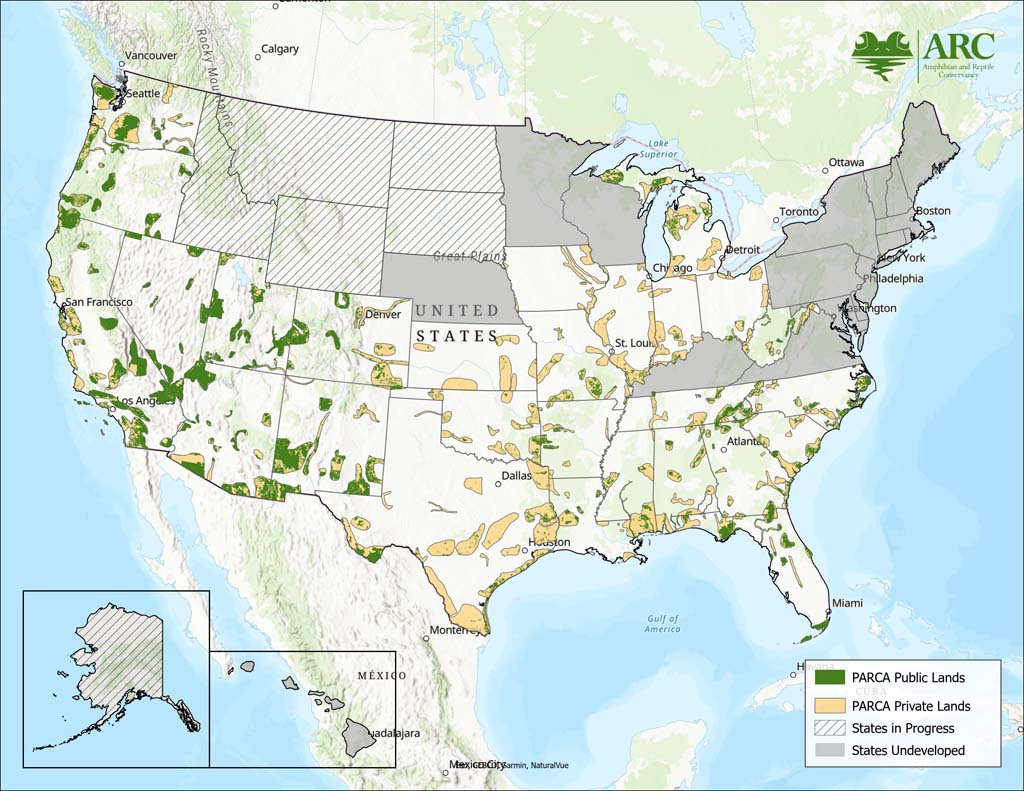
At ARC, we’ve long recognized the importance of this dual need and have designed our PARCA (Priority Amphibian and Reptile Conservation Area) strategy to meet it. We use science-based modeling and local expertise to identify conservation hotspots across the country, and from there, we work to implement strategic conservation measures on the ground with a wide range of partners across sectors, both public and private.
And because two-thirds of Threatened and Endangered species are found on private lands in the US, much of the land in these PARCAs isn’t in national parks or wildlife refuges. It’s in small private homesteads, cattle pastures, privately-held wetlands, working forests, and more. In fact, more than 40% of the land in PARCAs is private property.
Why Private Lands Matter
From the mountain bogs of the Appalachians to the sandy soils of central Texas, some of the most critical habitats for imperiled species exist outside of public ownership. Therefore, if we’re serious about recovery, we need to work with landowners, providing solutions that protect wildlife while meeting the needs of those who live and work on the land.
“Private landowners are essential partners,” said Kat Diersen, ARC’s Private Lands and Policy Director. “It’s about finding win-win outcomes, for the people and for the species.” From Farm Bill incentive programs that reward wildlife-friendly practices to US Fish and Wildlife Service agreements that balance habitat protection with working lands, there are tools to enable landowners to help species while keeping their operations viable.
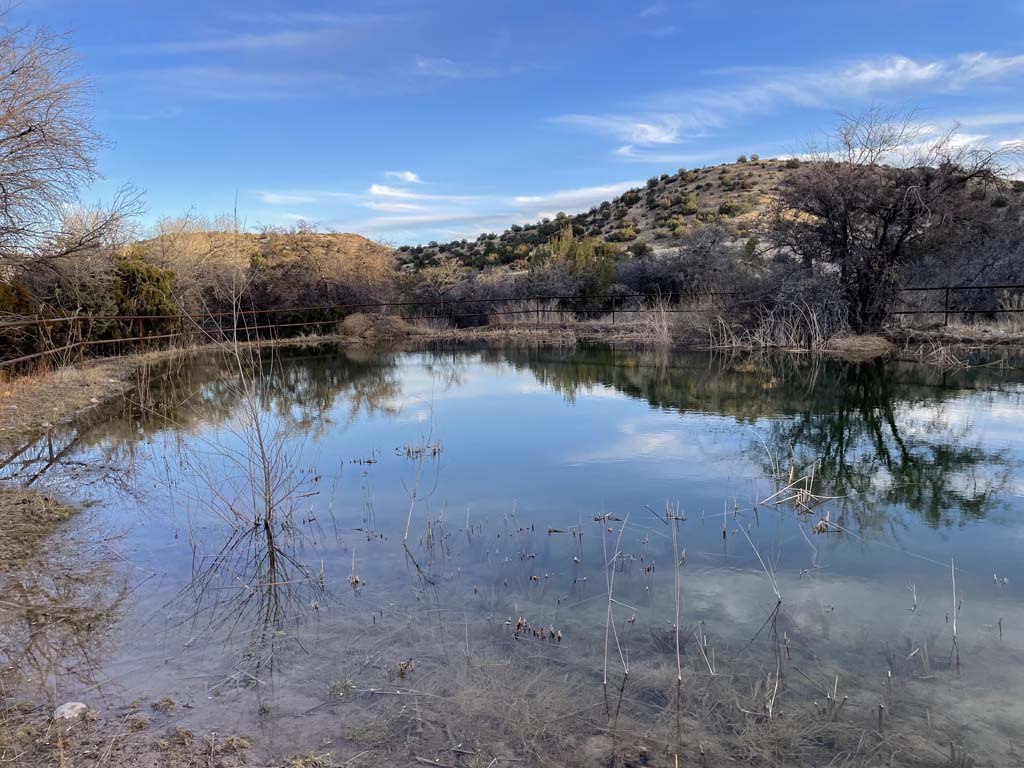
And it’s not just the Southeast that needs these programs. Kat noted that even though the majority of the land in most western states is public, private property is equally vital. “What little private land there is often contains the wetlands and water sources that vulnerable amphibians and reptiles need. When species occur on private lands, to protect them, we need the partnership of those landowners,” she said.
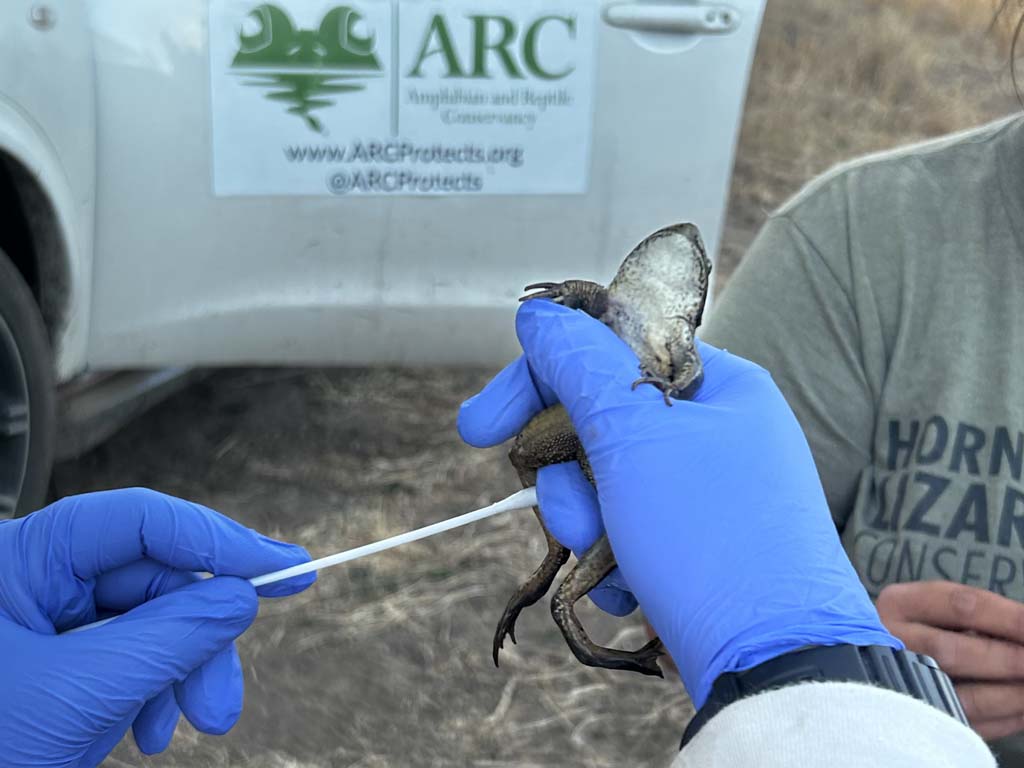
This is true in New Mexico, where private land supports efforts to recover the Threatened Chiricahua leopard frog. Our partners at the Turner Endangered Species Fund not only restore critical habitat for the species on their ranch, but they also work with federal and local agencies to headstart (captive raise) these frogs and release them back onto the landscape.
Kat underscored the importance of efforts like these. “We can’t meet our conservation goals without private lands; public lands conservation alone is simply not adequate.”
On the Ground in PARCAs
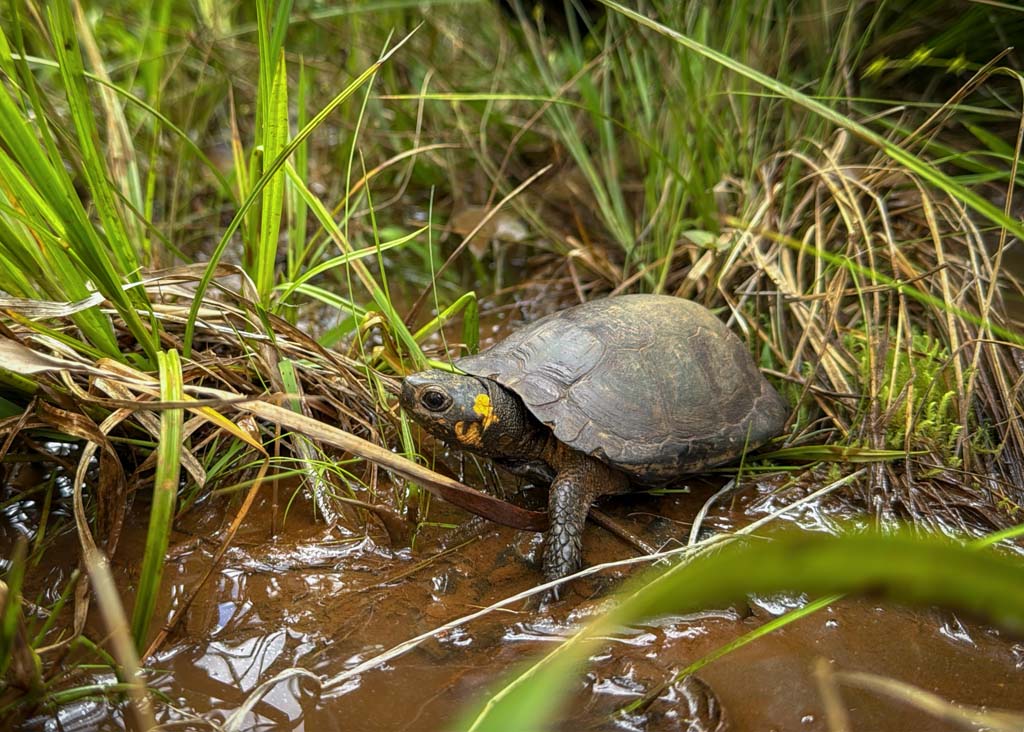
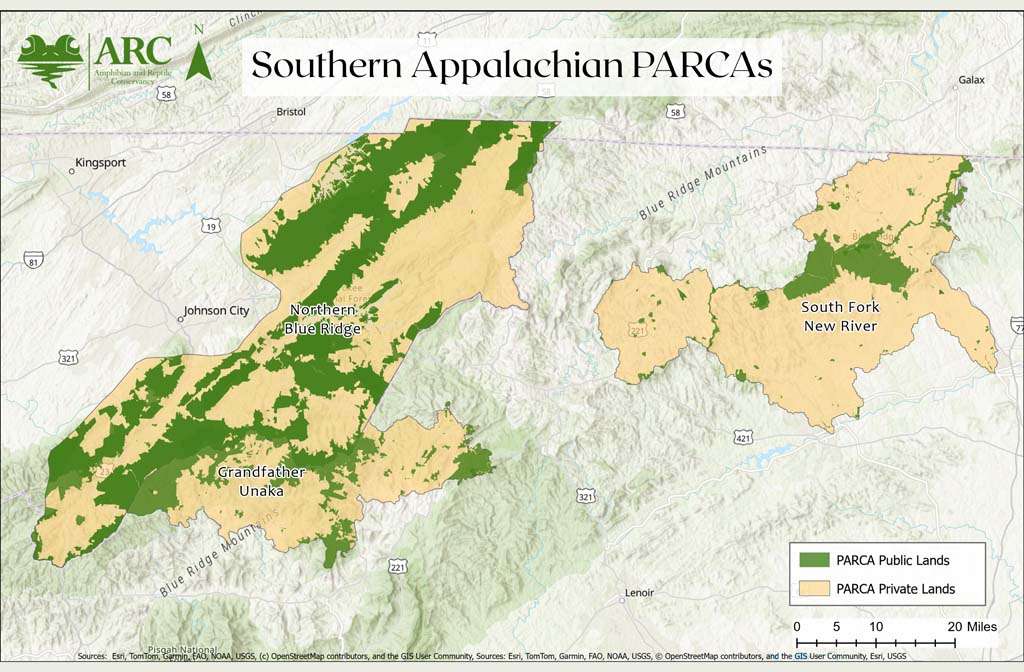
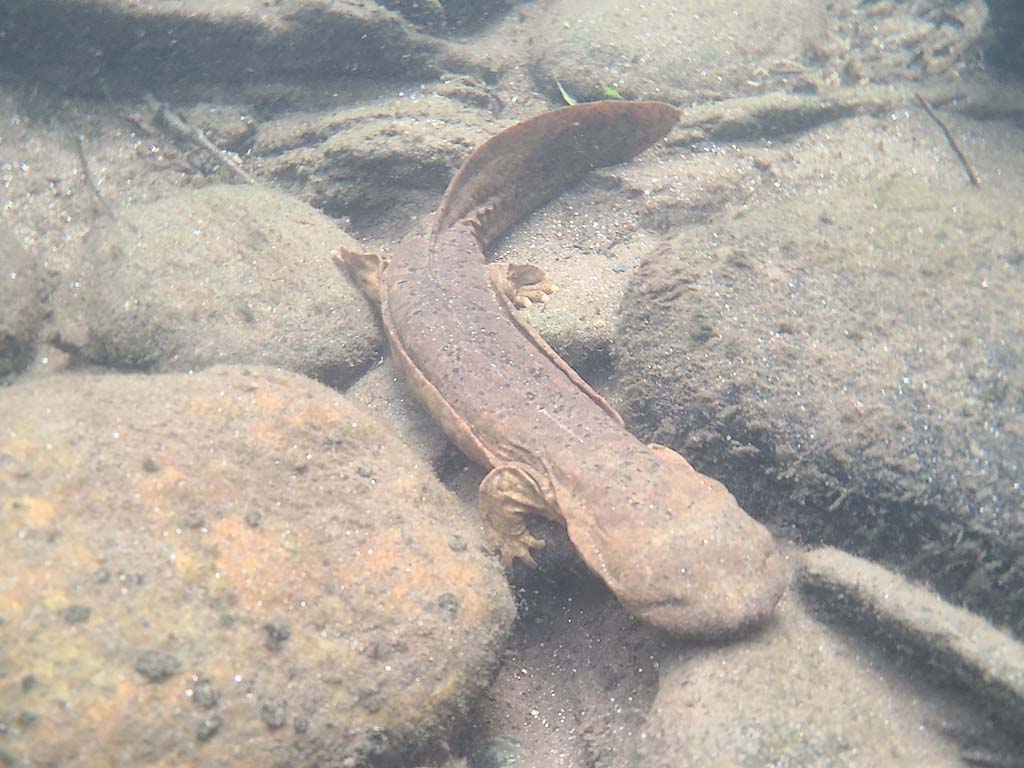
In the Southern Appalachians, Program Coordinator Emilly Nolan focuses on eastern hellbenders and bog turtles. “Private lands here provide critical habitat for these at-risk species and help reconnect populations across the landscape,” Emilly said. “Without the cooperation of landowners, their long-term recovery would not be possible.”
For many of these properties, ownership goes back generations. “Sometimes a landowner will tell me how they used to see dozens of turtles or salamanders as a child but haven’t seen any in years,” explained Emilly. “They’re motivated to be part of bringing that wildlife back.”
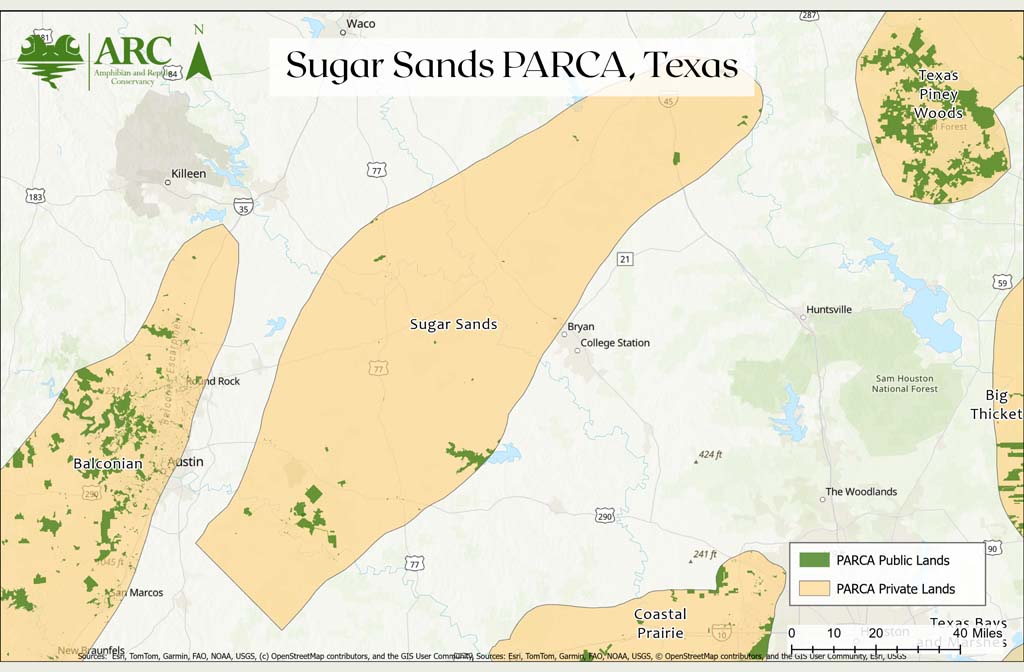
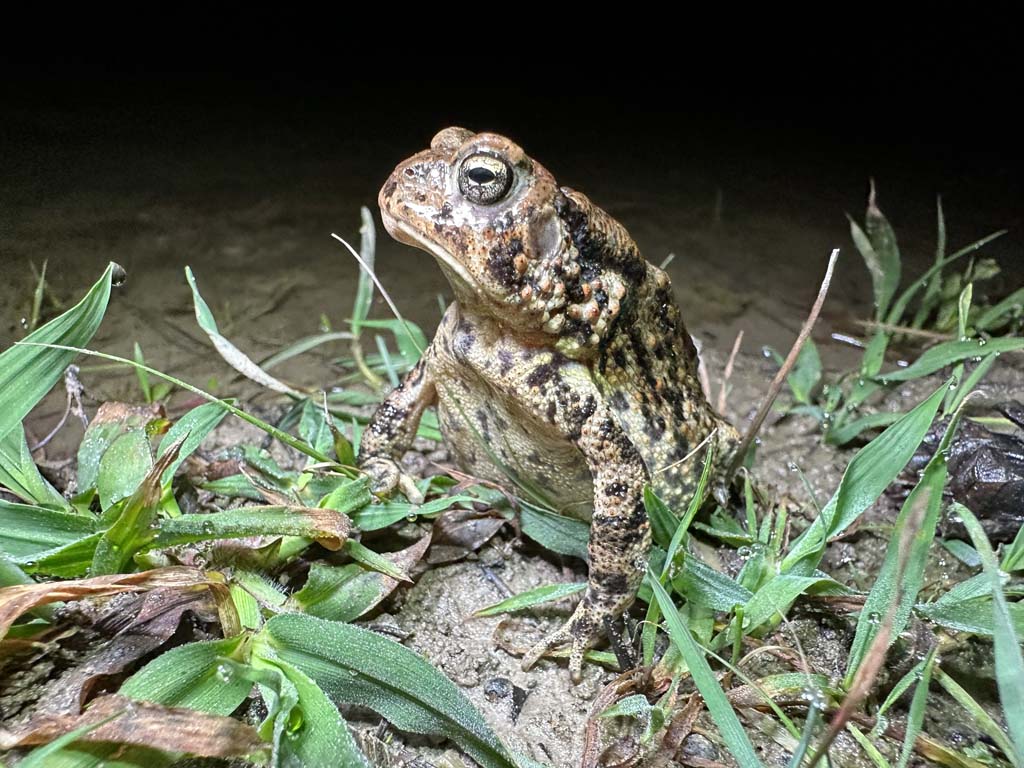
In Texas’s Sugar Sands PARCA, Private Lands Biologist Zach Truelock works with landowners in the Post Oak Savannah to restore habitat for the Endangered Houston toad. Zach said, “Many people here want Houston toads or Texas horned lizards, remembering them from their childhood before they declined.”
This cooperation is paying off. “We recently detected Houston toad calls on acoustic recorders in restored habitat on private property for the first time,” Zach recalled. “It was clear evidence that the toads had dispersed from a nearby release site and a testament to the landowner’s hard work restoring their land.”
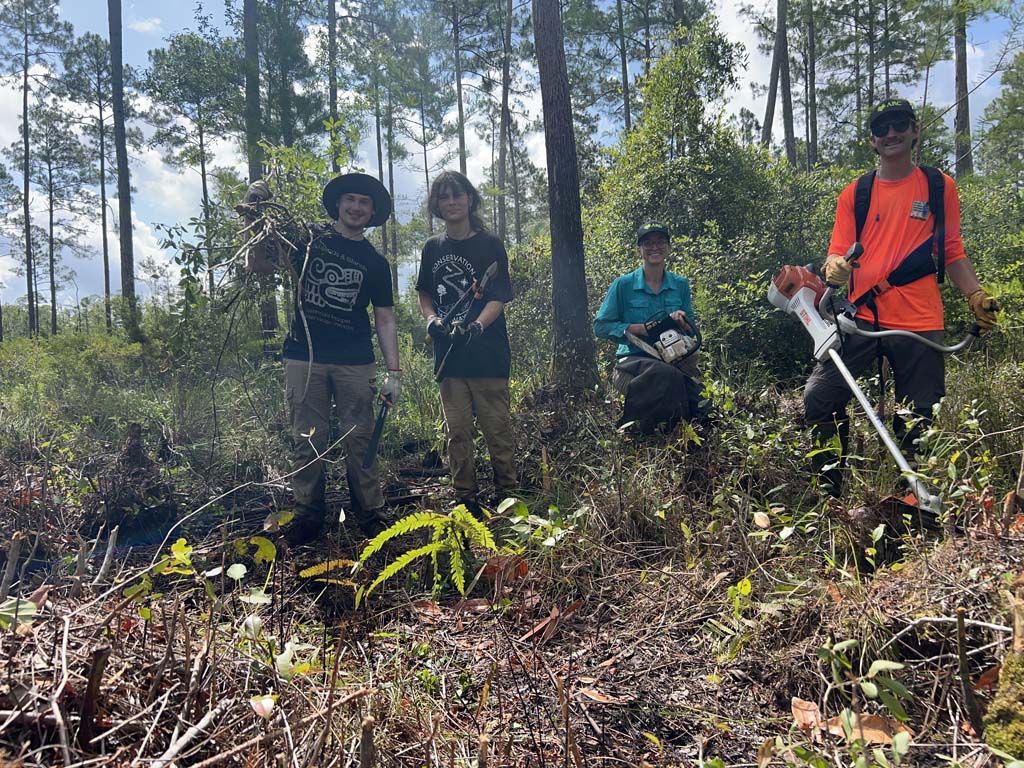
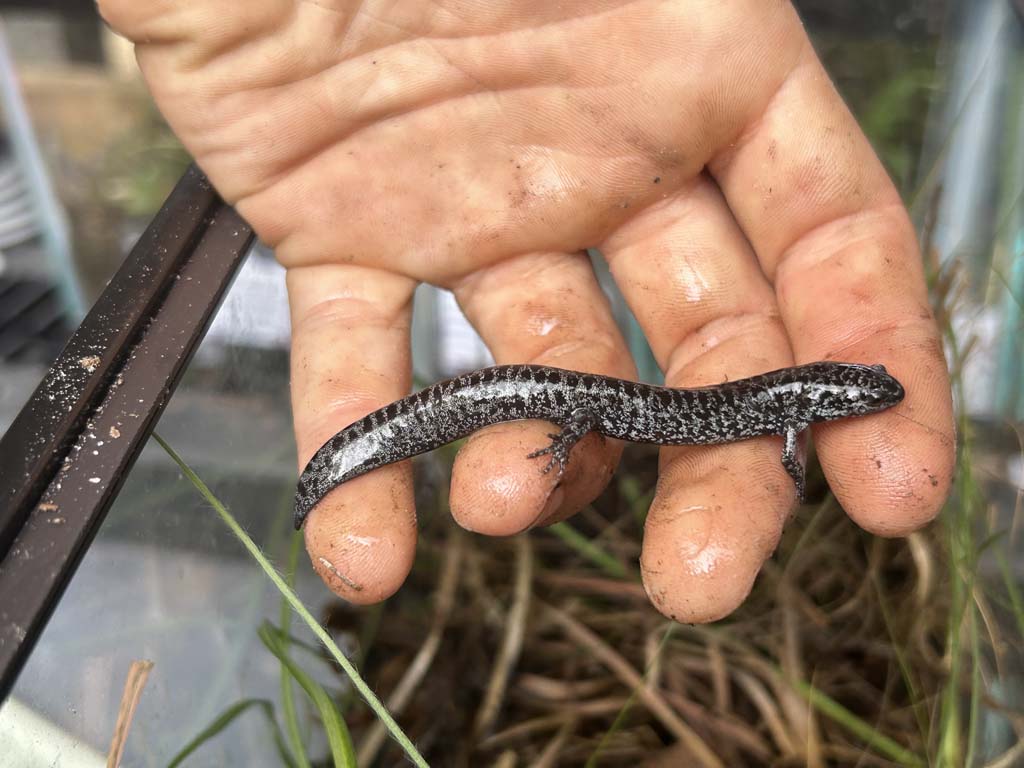
In the longleaf pine ecosystem of the Florida Panhandle, Project Coordinator Nicole Dahrouge works with landowners to protect the frosted flatwoods salamander. “These habitats have some of the highest levels of endemism in the world,” Nicole said, meaning they contain species found nowhere else on Earth. “But only fragments remain, and often the only way to connect them is through private lands.”
Enlisting landowners for these initiatives can come down to the connections we help them build with the landscapes and species on their property. As Nicole explained, “It’s awesome when you can show someone a frog they’ve been hearing for years but never actually seen.”
Private Lands Conservation is Powerful
Private lands conservation empowers people to make a real difference for species teetering on the edge of extinction. It shifts the onus of saving species from distant government programs to a collaborative effort that starts at their property line.
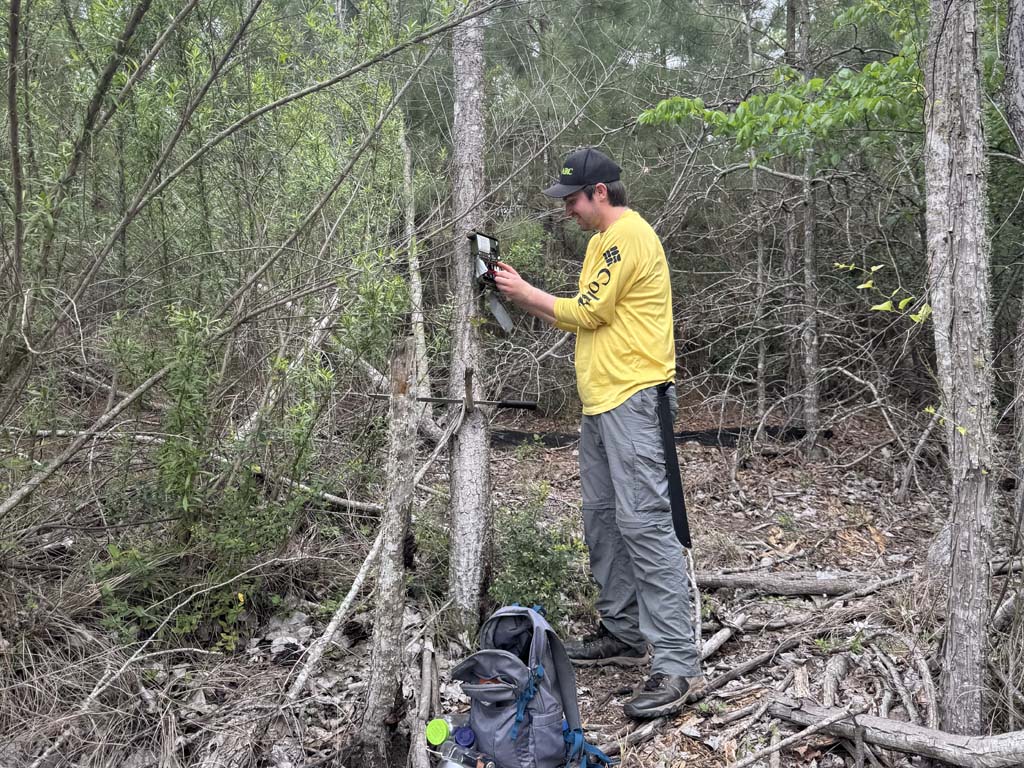
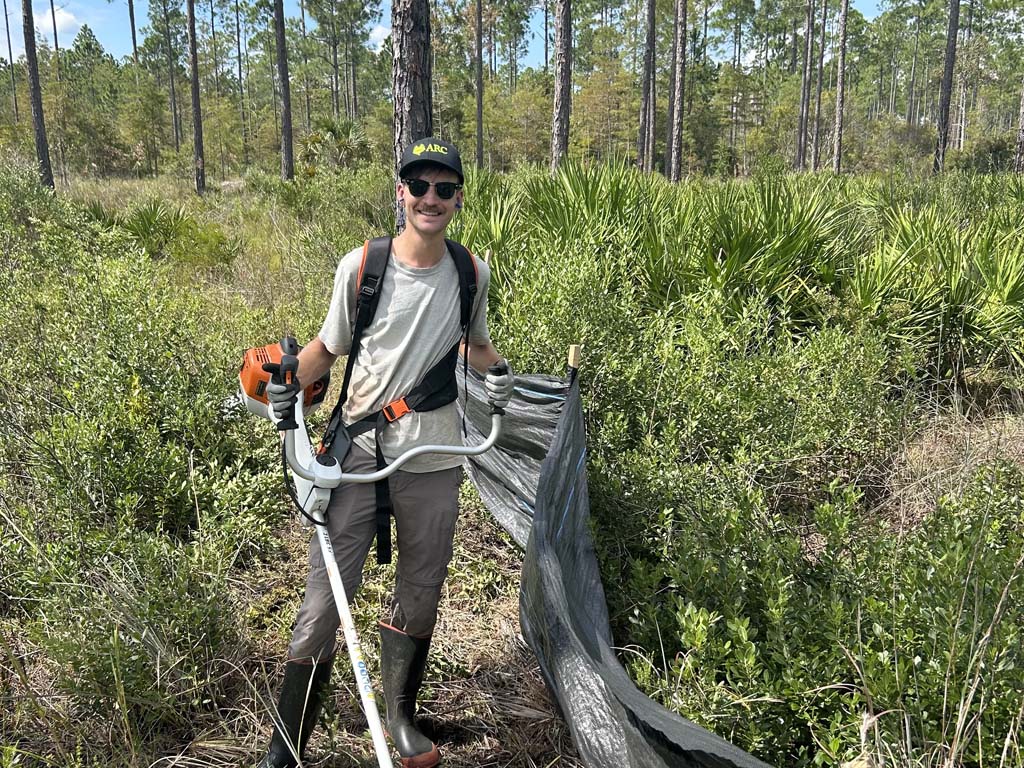
Sometimes, the first step has nothing to do with the species at all. People care about their land, and our team works alongside them to restore it. That may mean stabilizing streambanks, improving water quality, or planting native vegetation. As these actions bring back wildlife, somewhere along the way, a shift happens.
We’ve seen landowners who, at first, didn’t think twice about a salamander or turtle start taking pride in protecting them. In one case, they even named the hellbender that moved in under the rocks we installed together in their stream.
In a time when challenges can feel insurmountable, that pride is powerful. As Nicole put it, “It’s important not to let the fact that you can’t fix everything stop you from improving one thing.” Private lands conservation turns that “one thing” into lasting impacts. The habitat that’s restored. The species that’s closer to recovery. That sense of ownership. These things ripple far beyond any property line.
References
Lacher, T.E., Butchart, S.H.M., Gumbs, R., Long, B., Lopez-Gallego, C., Raimondo, Domitilla, Simkins, A.T., Sunarto, S., and Hoffmann M. (2025). The status, threats and conservation of Critically Endangered species. Nature Reviews Biodiversity, 1:421-438. https://doi.org/10.1038/s44358-025-00059-4