Mapping Amphibian and Reptile Protection from Coast to Coast
Every region of the United States has its icons. Mountains. Rivers. Foods. Sports teams. But they also have wildlife species that define their character, even if most people never see them.
The eastern hellbender lives in cool, clear rivers across 15 states and is a symbol of Appalachian waterways. The Sonoran Desert toad represents summer monsoon rains in the Southwest, while the northern rubber boa reflects the forested mountain ecosystems of the West.
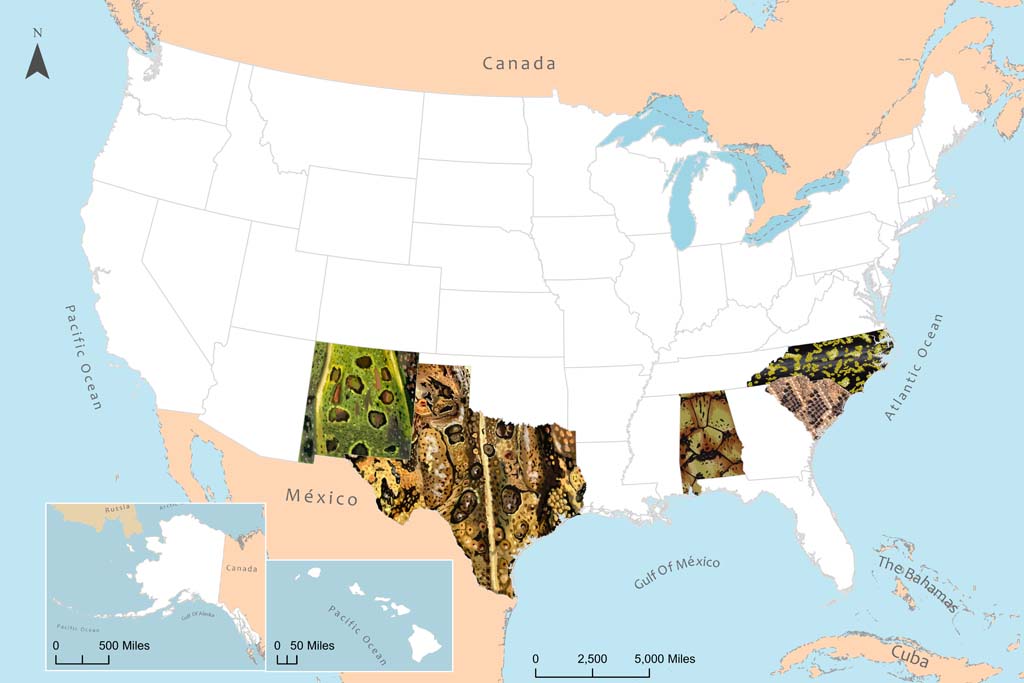
The United States of Herpetofauna map brings these iconic species together: state by state, region by region. This new map is a reminder that the places we love are shaped by the species that inhabit them, many of which are declining and increasingly in need of strategic, place-based conservation.
So far, we’ve revealed five states on the map, each featuring an imperiled amphibian or reptile skin design. Over the course of the next few weeks, the remaining 45 states will be revealed, region by region, through heads-up competitions during our March Map Madness campaign.
Putting Amphibian and Reptile Protection on the Map
Protecting the species represented on the United States of Herpetofauna map means protecting the places on the map they need. That’s why we focus our work in PARCAs (Priority Amphibian and Reptile Conservation Areas): landscapes identified through scientific modeling and local expertise as the most important strongholds for amphibians and reptiles.
PARCAs contain some of the most vital habitats in the country, supporting rare species found nowhere else, as well as species we’re working to keep common. In these places, our team and partners restore habitats, monitor populations, and work with landowners to keep these systems healthy.
Mapping Species Protection in the Southeast
With more salamander species than anywhere else in the country and the nation’s richest diversity of freshwater turtles, the Southeast is the amphibian and reptile hotspot of the US. We’re working to help ensure it stays that way.
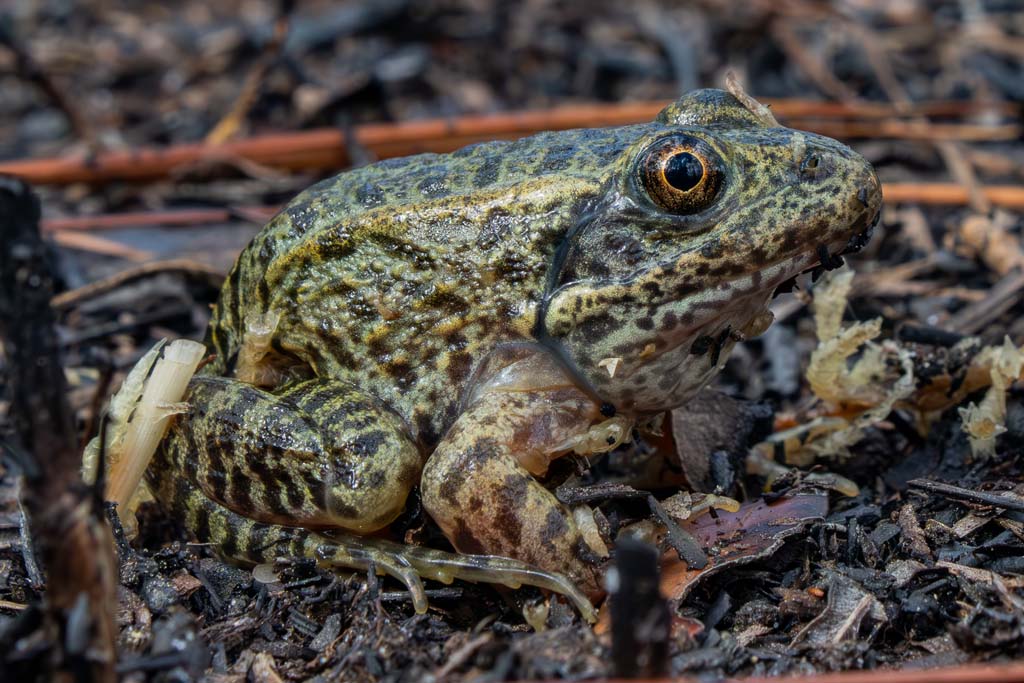
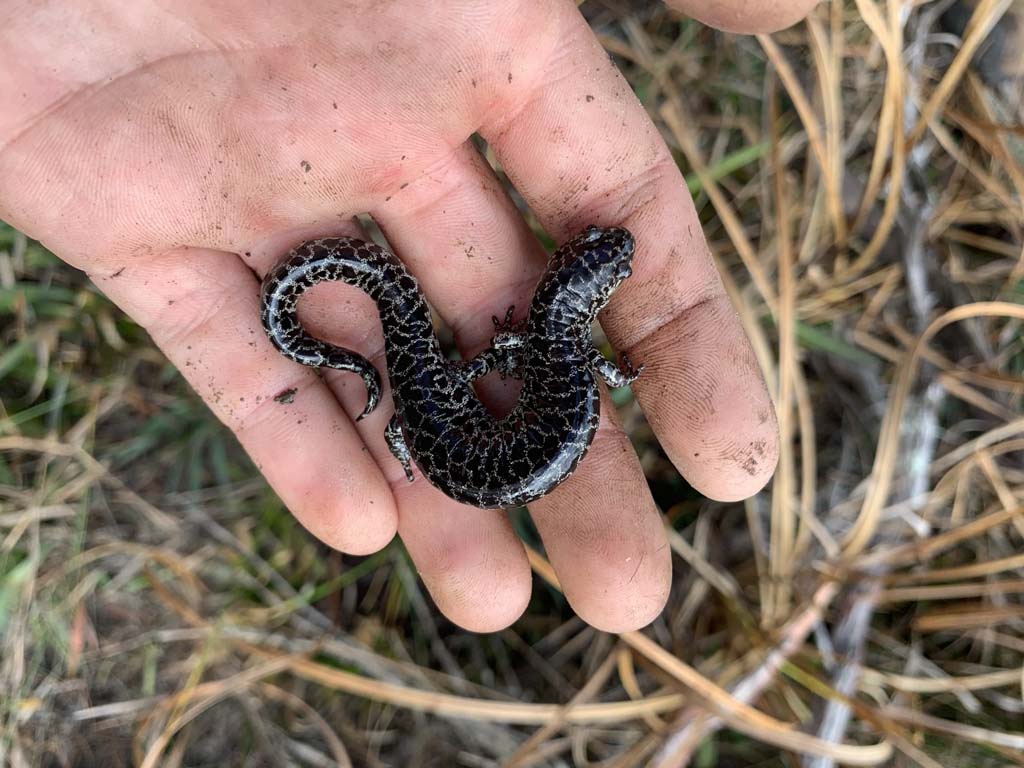
In the Francis Marion PARCA, South Carolina, we’re restoring longleaf pine habitat and the seasonal wetlands that species like the Carolina gopher frog depend on to breed.
These same restoration efforts are preparing the landscape for the eventual return of the frosted flatwoods salamander here. This Threatened salamander relies on fire-maintained seasonal ponds and is holding on in only a handful of populations in Georgia and Florida PARCAs.
In the Bankhead National PARCA, Alabama, the Threatened flattened musk turtle and Endangered Black Warrior waterdog inhabit the rocky streams of the Black Warrior watershed.
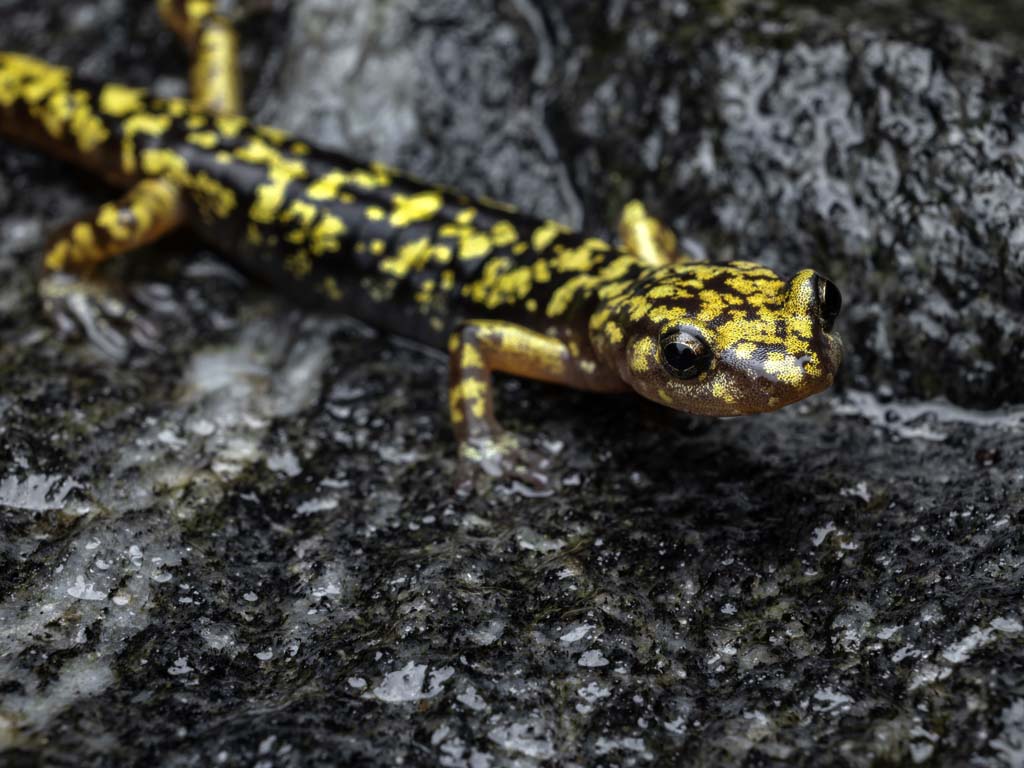
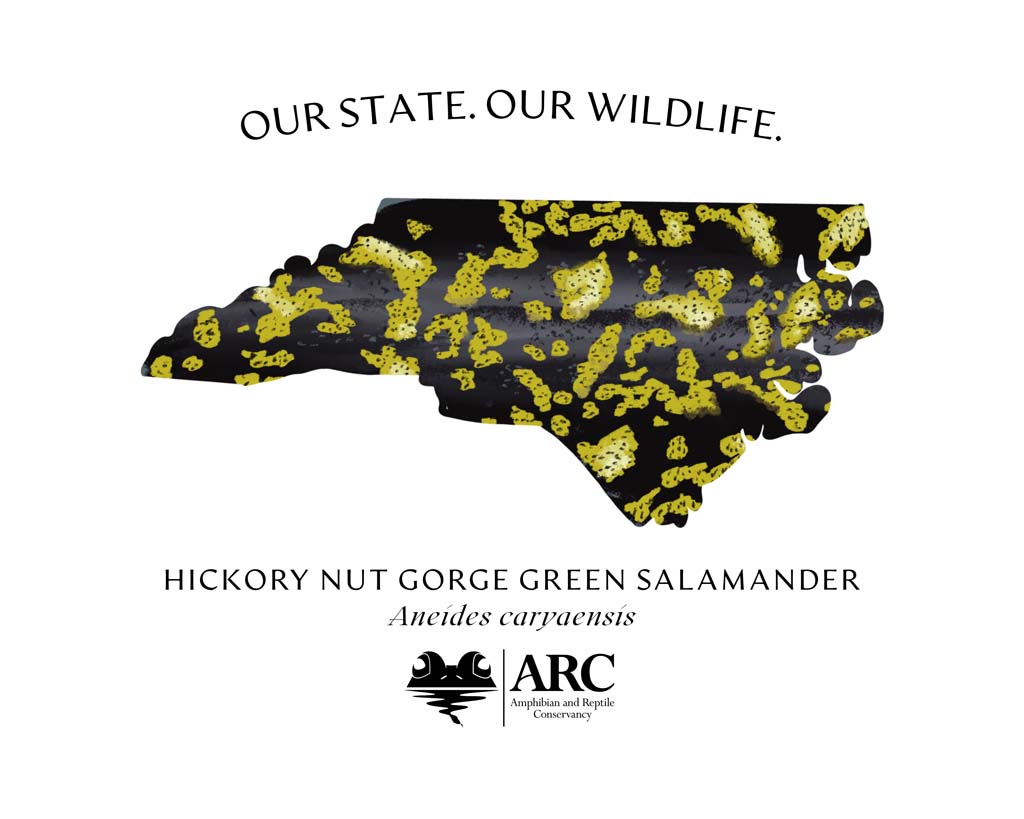
And in the Hickory Nut Gorge PARCA in North Carolina, we’re working alongside partners to save the Hickory Nut Gorge green salamander, one of the most at-risk salamanders in the world, after landslides devastated parts of its tiny range.
Charting Conservation in the Southwest
The Southwestern US includes portions of the Sonoran and Chihuahuan Deserts, two of North America’s most diverse landscapes for amphibians and reptiles. Although much of the region is arid, its biodiversity is a testament to the varied terrain: desert shrublands, tree-covered mountains, rivers, wetlands, and much more.
In the Cochise East and West PARCAs of southern Arizona, each PARCA supports more than forty amphibian and reptile species. Some, like Couch’s spadefoot, spend most of the year underground, emerging only during the rainy season to breed.
Others, like the federally Threatened Chiricahua leopard frog, depend on permanent streams and wetlands to reproduce. Here, we focus on restoring wetlands, improving hydrology, and controlling invasive plants and predators to increase the odds for these species.
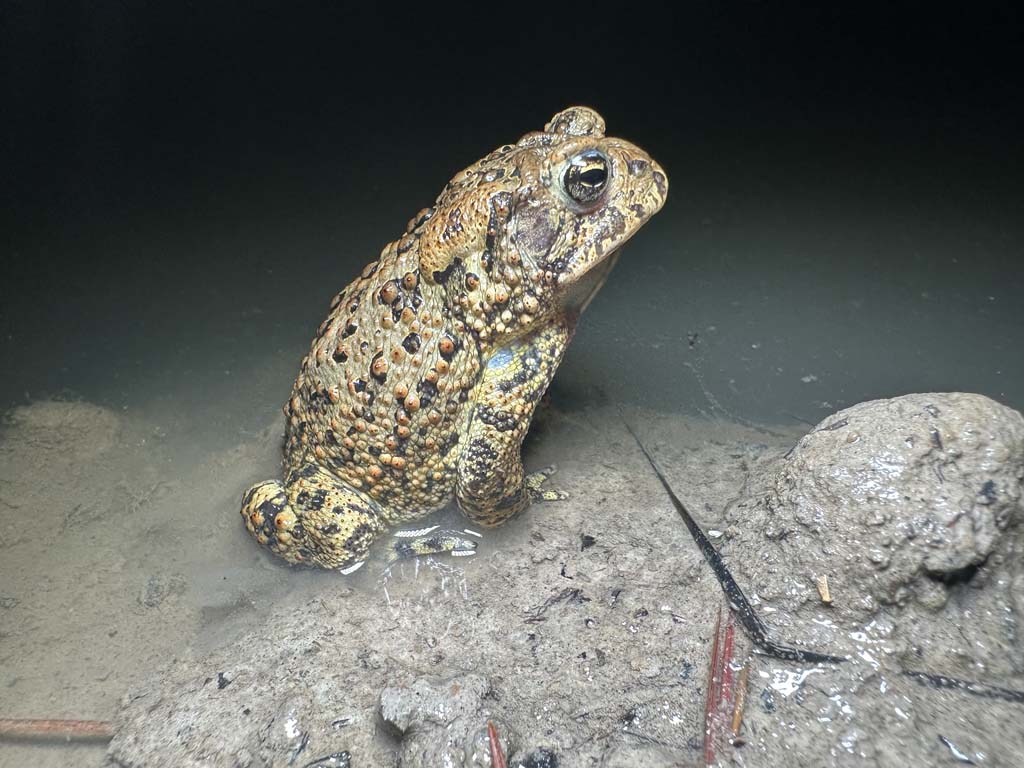
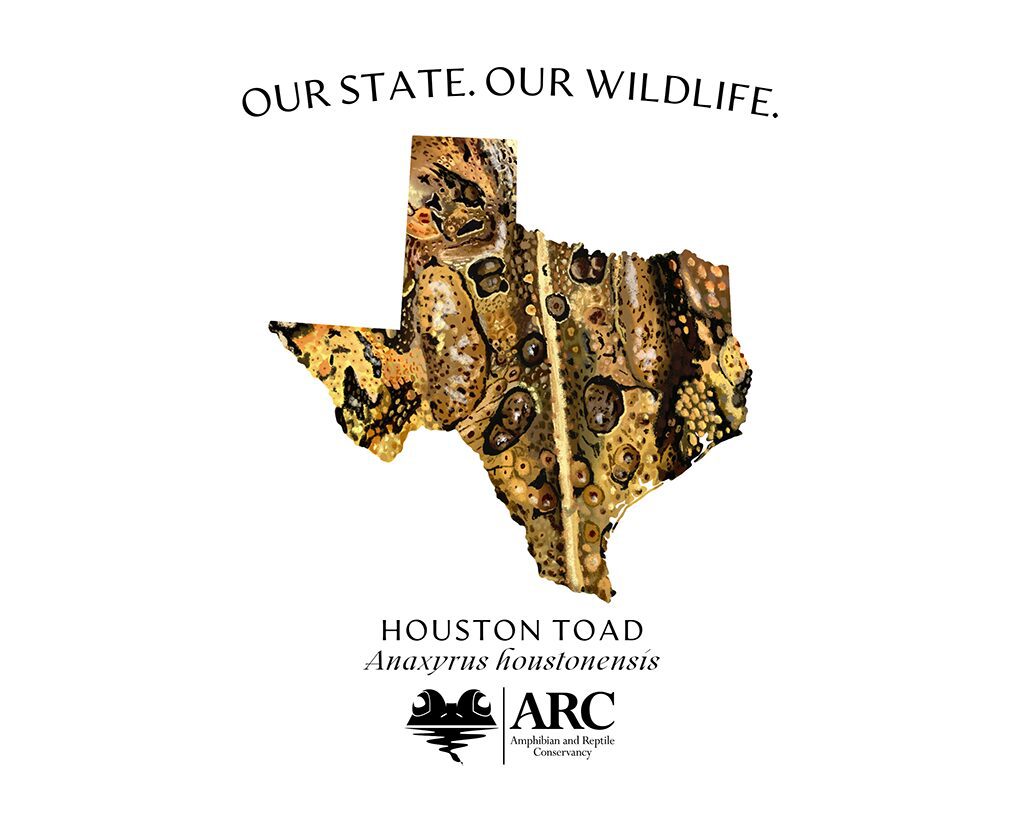
Farther east, in the Sugar Sands PARCA of central Texas, we’re partnering to protect the Endangered Houston toad. These toads spend much of the year underground and emerge primarily during their breeding season from late winter through early summer.
We work closely with private landowners to restore and connect suitable habitats, open the understory, and mimic historic fire regimes. With these efforts, the Houston toads raised by our partners in captive breeding programs will have the conditions they need when they’re released into the wild.
Tracking Imperiled Species in the West
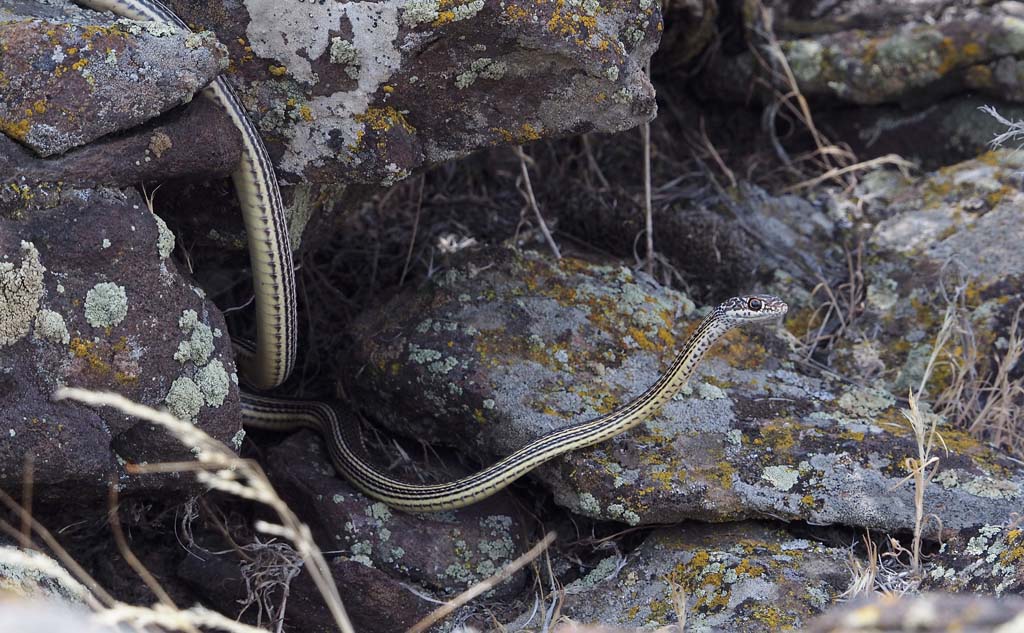
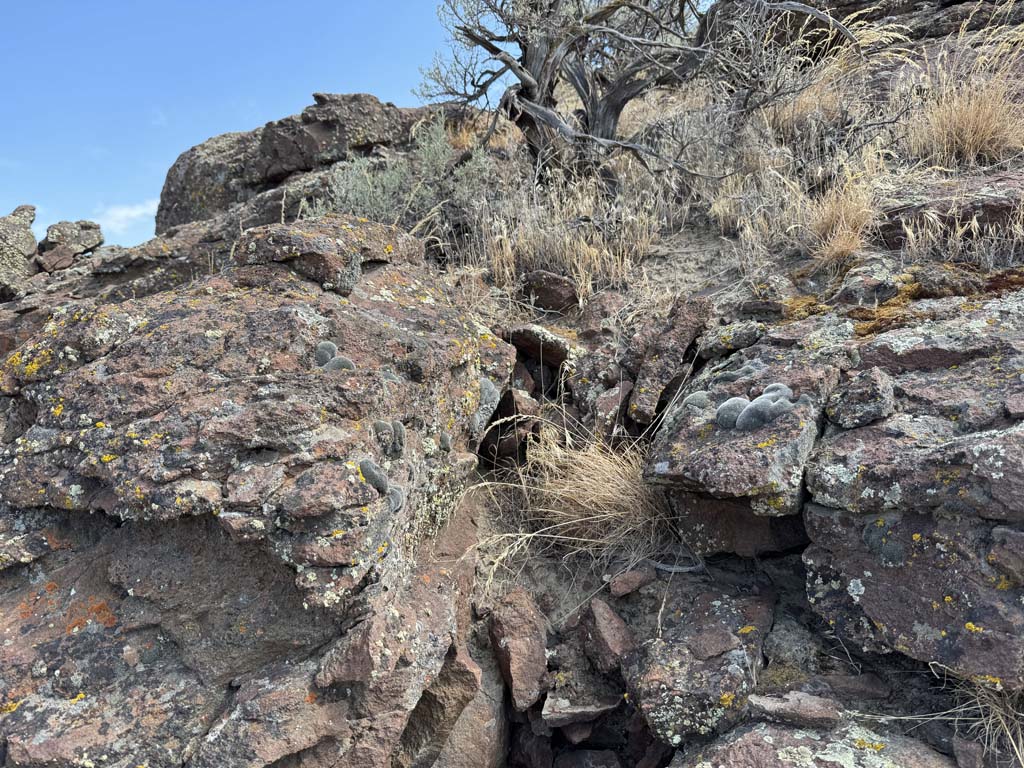
Across the vast landscapes of the West, amphibians and reptiles inhabit everything from coastal forests and mountain ranges to high deserts and open prairies. One species that reflects these varied ecosystems is the striped whipsnake, a long, slender snake known for its speed and ability to hunt across rocky terrain, open woodlands, and grasslands.
In Washington’s Wanapum PARCA, the northern edge of the striped whipsnake’s range is patchy, and fewer than 200 reproductive adults are estimated to remain, although the species can be relatively common in other areas. Here, we’re working with partners to better understand the major threats these snakes face, including declining habitat quality and road mortality, to guide targeted recovery plans in the state. Together, we’re monitoring known sites and identifying new locations to learn more about the striped whipsnake’s populations, habitat use, diet, and reproduction.
Plotting Protection in the Midwest and Northeast
In the Midwest and Northeast, forests, rivers, lakes, wetlands, and rolling hills are dotted across the landscape, supporting a distinctive array of amphibians and reptiles found in few other places in the country.
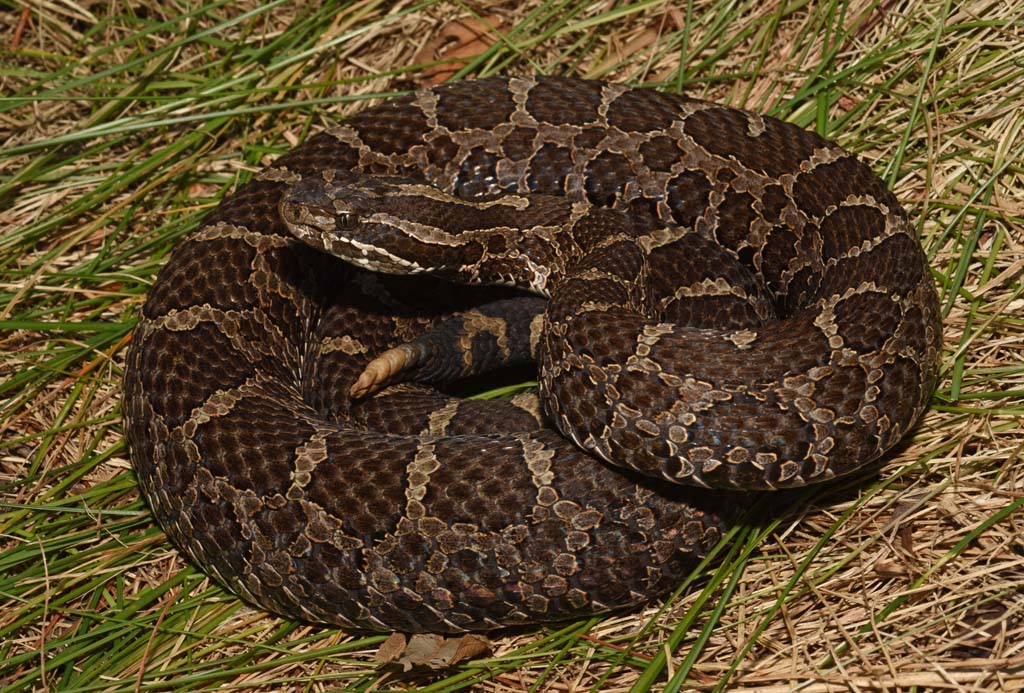
One unique example is the eastern massasauga. In the Midwest’s prairie wetlands and bogs, this compact rattlesnake has a quiet rattle and camouflage pattern that helps it blend into the sedges of wet meadows. Once more widespread, this federally Threatened snake now survives in isolated wetlands and upland edges, including those found in the Interlobate Region PARCA in Michigan.
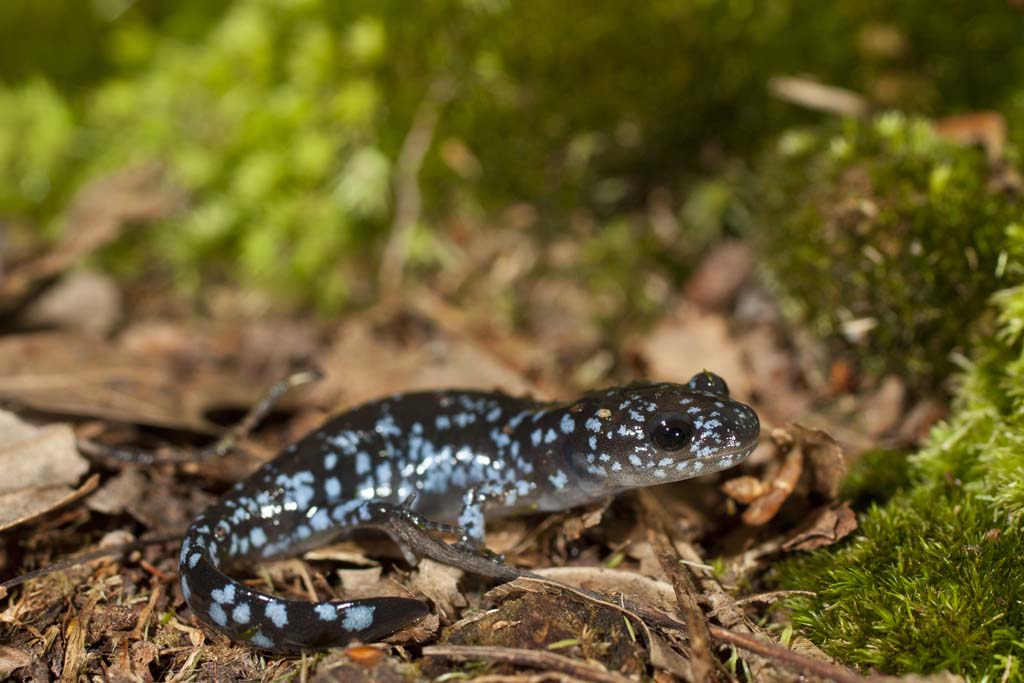
In the forested seasonal pools of the Northeast, the blue-spotted salamander has an unusual reproductive strategy. Some populations are made up entirely of unisexual females that borrow sperm from males of related species in the same genus (group) to reproduce.
These one-of-a-kind species underscore the importance of protecting the stunning and diverse ecosystems of these regions.
Marching Toward the Map
The United States of Herpetofauna map is more than a collection of designs. It reflects real places, real amphibians and reptiles, and real people working to protect them. Each state revealed so far highlights an imperiled species and the habitats it needs, along with targeted actions to protect both.
This March, we’re putting amphibian and reptile protection on the map with March Map Madness. Starting March 16, regions of the US will face off in head-to-head matchups, and supporters will decide which region is revealed next through our social media and e-newsletter, The ARC’ives. Every region revealed brings the PARCAs on the map and the species they contain closer to full protection.
Be sure to pick up merchandise featuring these beautiful state designs as each region is revealed in our shop.