 When global challenges arise, the solutions most often involve people coming together. It’s no different for the worldwide amphibian pandemic, chytridiomycosis (pronounced kit-rid-ee-oh-my-coe-sis), which has led to dramatic amphibian declines over the last several decades. This terrible disease is caused by a chytrid (pronounced kit-rid) fungus called Batrachochytrium dendrobatidis, pronounced… Nevermind, we just call it Bd for short. Bd has led to declines in frogs and salamanders worldwide, and now we face the threat of a new pathogen (called Bsal) that has caused salamander die-offs in Europe. However, together, we have the opportunity to help ensure that these vitally important and beautiful species are protected for current and future generations.
ARC and partners, filmmakers Chelsea Jolly and David Herasimtschuk, are working to increase the odds for frogs and salamanders facing this worldwide amphibian pandemic. We’re striving to raise awareness and bolster amphibian populations against the pathogen. To accomplish the former, Jolly and Herasimtschuk will release a short film called Jojo – A Toad Musical. It’s the musical journey of a charismatic boy named Jojo with a knack for rap, an infectious enthusiasm for frogs, and a huge concern over chytridiomycosis. Click here to watch the trailer.
In the short film, Jojo explains how Bd affects amphibians and why it is concerning to those of us who love frogs and salamanders. It’s transmitted by skin-to-skin contact or by releasing spores into the water, on which amphibians heavily rely for various stages of their life cycles. Some amphibians or life stages are naturally more resistant to the effects of the disease, but many are extremely susceptible. In those more easily infected species or life stages, the fungus damages the animal’s skin, resulting in difficulty passing oxygen and electrolytes, such as salt and potassium, through their permeable skin. It ultimately leads to death from heart failure due to low electrolyte levels in the blood.
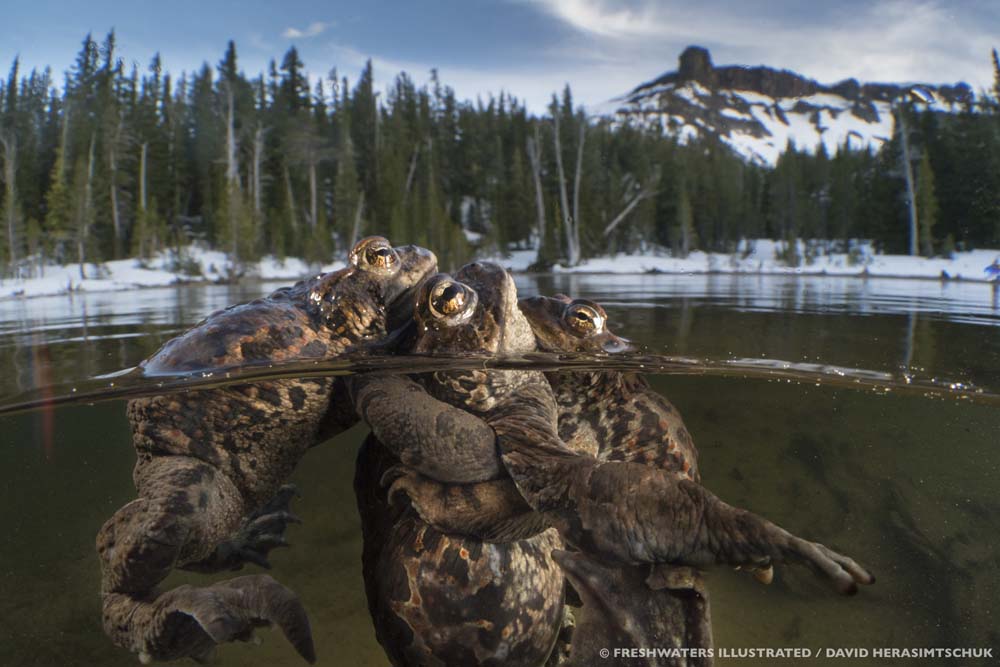
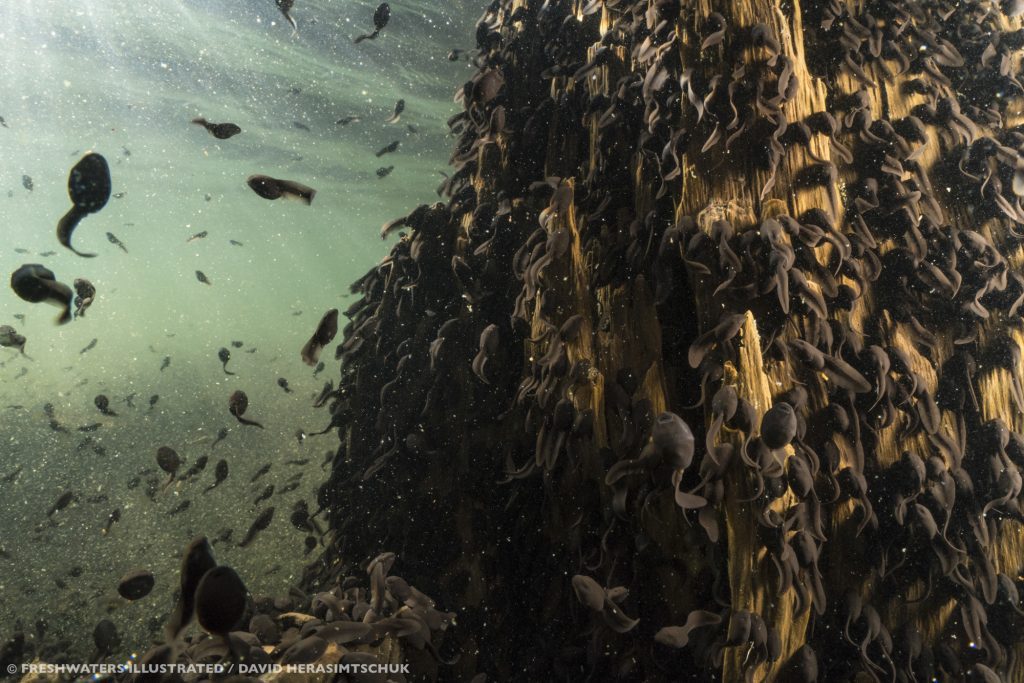
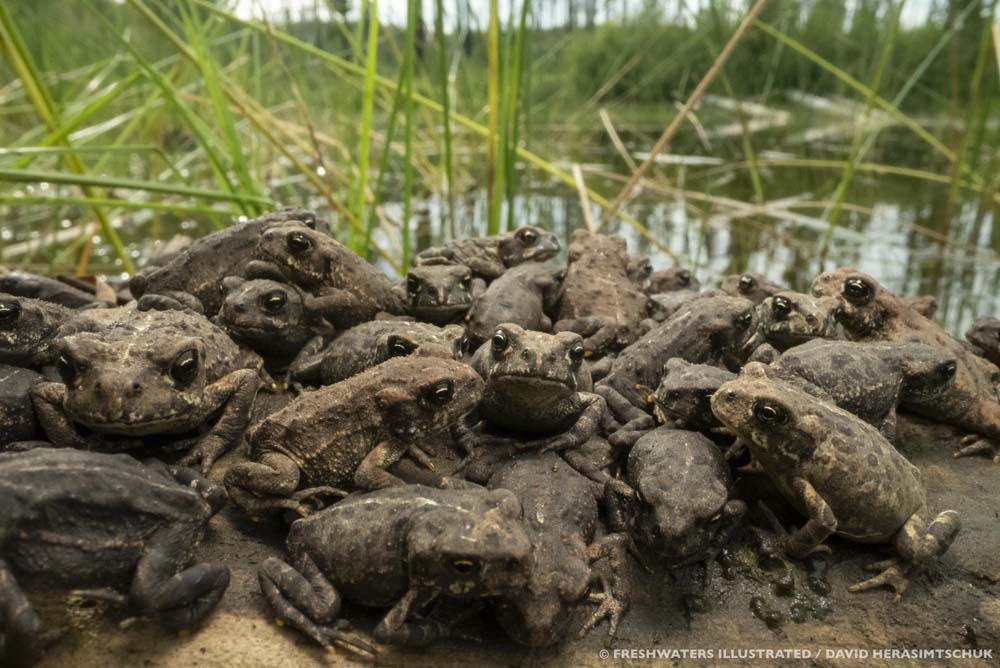
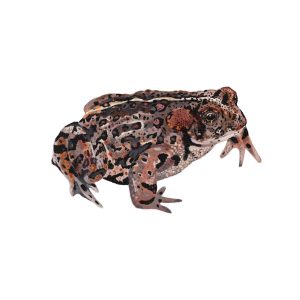
Bd has been found on every continent except Antarctica, which means it’s present everywhere amphibians occur. In the US, Bd has been linked to population crashes in the Chiricahua leopard frog, lowland leopard frog, Sierra Madre yellow-legged frog, Sierra Nevada yellow-legged frog, and northern leopard frog. Other frogs, such as one of Jojo’s favorite species, the western toad, have also been affected.
Given that the fungus is so widespread, our strategy at ARC is to help amphibian populations cope with the new normal of chytrid in their habitats. Our place-based approach of Priority Amphibian and Reptile Conservation Areas (PARCAs) and our conservation and habitat restoration efforts help bolster amphibian populations against chytridiomycosis by creating larger and healthier populations. Conservation Program Coordinator José Garrido explains: “ARC’s on-the-ground habitat restoration efforts help to increase the size, connectivity, and frequency of amphibian populations across the landscape. Often, this is done by improving habitat quality and availability or by reducing the factors that contribute to the spread of chytrid, such as controlling nonnative bullfrogs in the western states, which are well-known vectors of chytrid.” Bullfrogs are more tolerant, which means they can survive Bd and carry it to other amphibians when introduced to their habitats.
The ability of a wildlife species to respond to disease depends on the health of individuals in the population and the stressors they face. Each environmental threat, be it climate change, habitat destruction, or invasive species, makes it more difficult to fight off disease at the population level. Often, chytrid isn’t a death sentence but the straw that breaks the frog’s back. Our work at ARC is focused on bolstering amphibians against Bd by increasing population sizes, increasing the number of populations, and connecting populations so that genes can flow and inbreeding is less likely (in other words, increasing genetic diversity). Populations with more individuals have a better chance of survival because of higher genetic diversity. Also, the greater the number of populations across the landscape, the lower the risk the entire species will be decimated by chytrid.
“If populations are more robust, they probably have greater genetic diversity, which could increase the chance that some members of the populations are better prepared to fight the pathogens,” says Dr. Molly Bletz, disease ecologist and conservation biologist at University of Massachusetts Amherst. “Having healthier habitats also means that the amphibians are less likely to be experiencing multiple threats or multiple stressors (pollution, invasive species, etc.).” For these reasons and more, our national strategy, which we implement at a local level, is centered on restoring and creating healthy habitats in PARCAs.
Along with amphibian biologists all over the globe, together, we’re investigating and implementing a whole host of complementary strategies. Scientists are bringing vulnerable species into captivity, inoculating amphibian’s skin with beneficial bacteria, immunizing frogs, applying anti-fungal treatments to amphibians and their habitats, and more. Bletz explains that “to continue to advance our ability to mitigate chytridiomycosis and enable populations to persist, we need to have a collaborative mindset and think creatively (and proactively when possible) – asking ourselves how we can think outside the box and work across different fields of science to develop innovative solutions.”
In addition to these population- and habitat-level efforts, it’s crucial that everyone do their part to stop the spread of Bd. As Bletz told us, “no one person and probably no one strategy is going to tackle these crafty pathogens, so we need collaborations, openness, and creativity.” Below, we’ve listed the simple methods that ARC uses to ensure that we don’t inadvertently introduce the fungus to new sites, as well as some larger initiatives to help prevent the spread. We hope you will implement and support these efforts too. With your help, we can continue to increase the odds for amphibians so that Jojo and future generations can experience the wonder of these incredible animals.
Preventing the Spread
How is Bd spread?
Global commerce in amphibians for the pet trade, human consumption, the scientific trade, and the bait industry (such as larval tiger salamanders)
Intentional and accidental introduction of nonnative amphibians; amphibians are frequently inadvertently translocated in produce and other products
Introduced and native amphibian species that are tolerant to Bd acting as carriers
People unwittingly carrying the fungus from one area to another
How can we prevent the spread?
Clean boots, clothes, and all field equipment with a 10% bleach-water mixture before moving between sites, especially in sensitive ecosystems like wetlands – click here for step-by-step instructions for disinfection
Support the reduction and regulation of the global amphibian trade
Limit direct contact with amphibians in the wild
Use single-use gloves to handle amphibians (it is illegal to handle federally-listed or otherwise protected species without a permit)
Support the control of invasive bullfrogs, which can be significant carriers of the disease
Quarantine newly-acquired captive amphibians from other amphibians until it’s confirmed that they are disease free
Report suspicious deaths of frogs and salamanders in the wild and captivity to local wildlife agencies to enable early detection
Do not release pet frogs or salamanders into the wild
Do not dump water used in captive pet enclosures outside
Do not move wild amphibians between habitats
Resources
For more information on Bd and how to prevent the spread, visit:
Fighting Chytrid, US Fish and Wildlife Service
An Overview of Chytridiomycosis, AmphibiaWeb