From discovery to disaster: Recovering the recently described Hickory Nut Gorge green salamander after Hurricane Helene
By JJ Apodaca, Executive Director, Amphibian and Reptile Conservancy
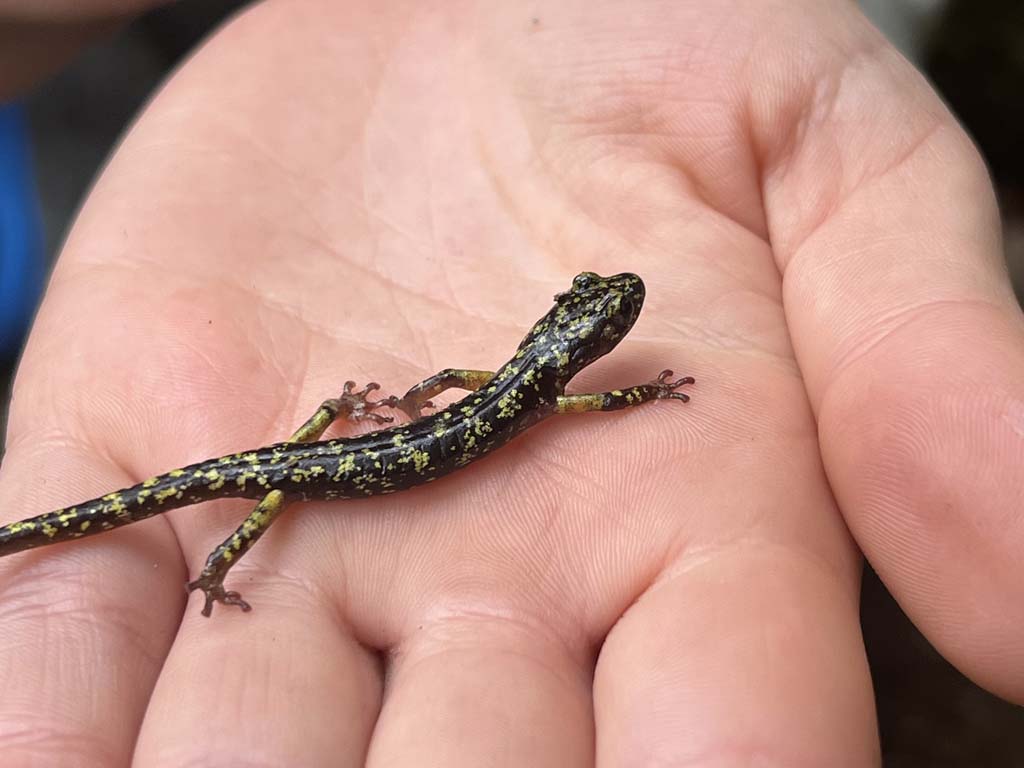
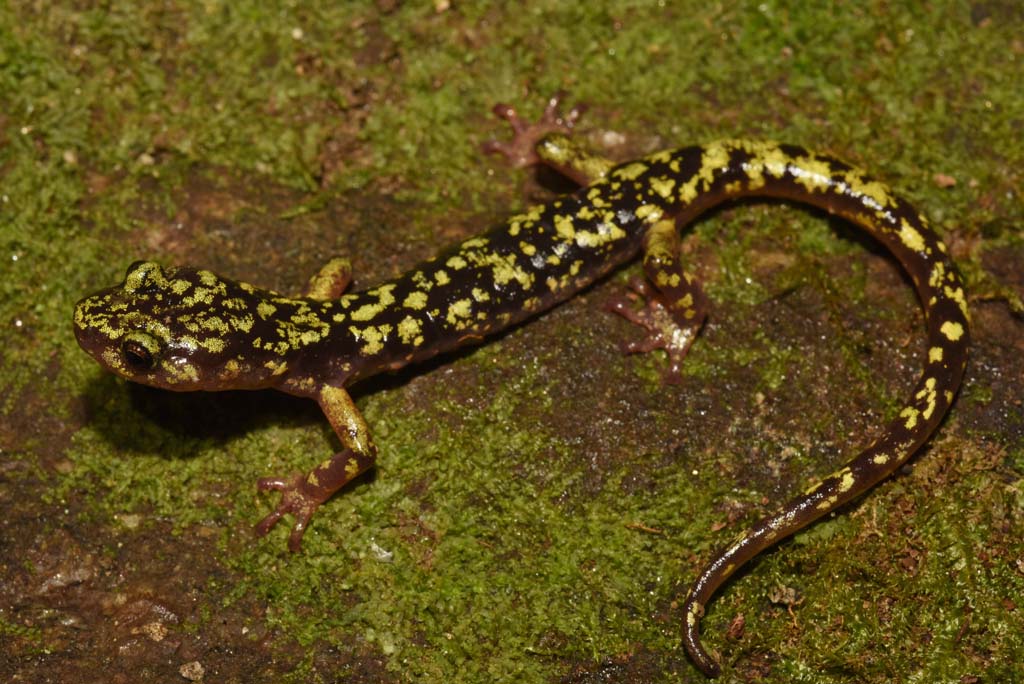
There is perhaps no other species on Earth that I feel more connected to than the Hickory Nut Gorge green salamander (Aneides caryaensis). That connection goes beyond a simple fondness or professional interest; it’s personal, deep, and shaped by a history I never could have predicted.
As the leader of the team that first described the species in 2019, I even got to name it (though in hindsight, I might’ve chosen a shorter common name). I’ve spent years studying and working to protect this incredible animal. I live within 20 miles of its tiny home range, an area less than one-tenth the size of Disney World, and yet our lives became even more intertwined because of all things, a hurricane in the mountains.
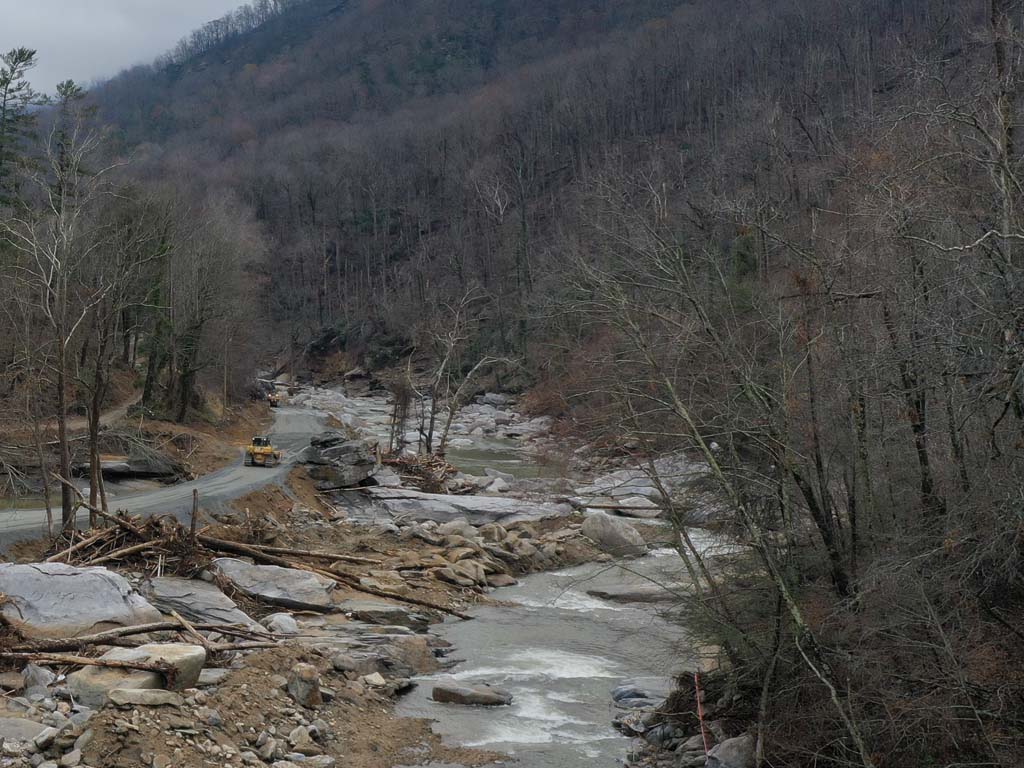
In late September 2024, Hurricane Helene slammed into the Southern Appalachians. It cut off power and communications across the region. When I first saw the damage to the Swannanoa River, my heart sank, not just for the people impacted, but for the wildlife we’ve fought to protect.
I worried about eastern hellbenders and bog turtles but not Hickory Nut Gorge green salamanders. They live in the cliffs and forests high above the rivers. They should’ve been safe.
Then I started seeing how many trees had come down, not from wind, but from rain. When I heard that the dam at Lake Lure was at risk of failing, I realized the Gorge had taken the brunt of the storm. Helene had dumped more than 40 trillion gallons of water on the region, enough to cover the entire U.S. in two inches of rain. That’s more water than Lake Tahoe holds.
The rain didn’t just flood valleys; it softened the ground so much that entire hillsides collapsed. And that’s when the real threat to the salamanders came into focus: landslides.
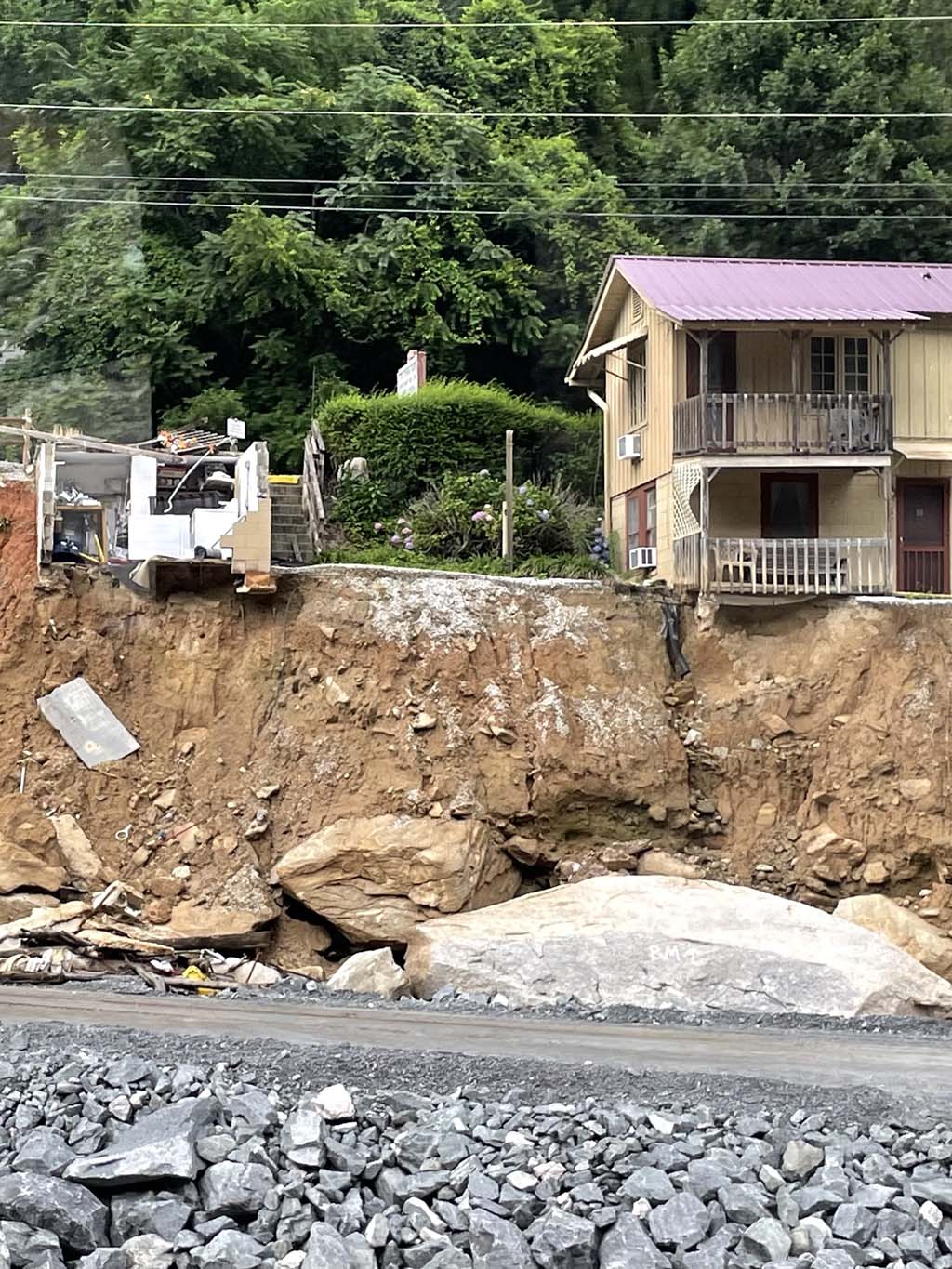
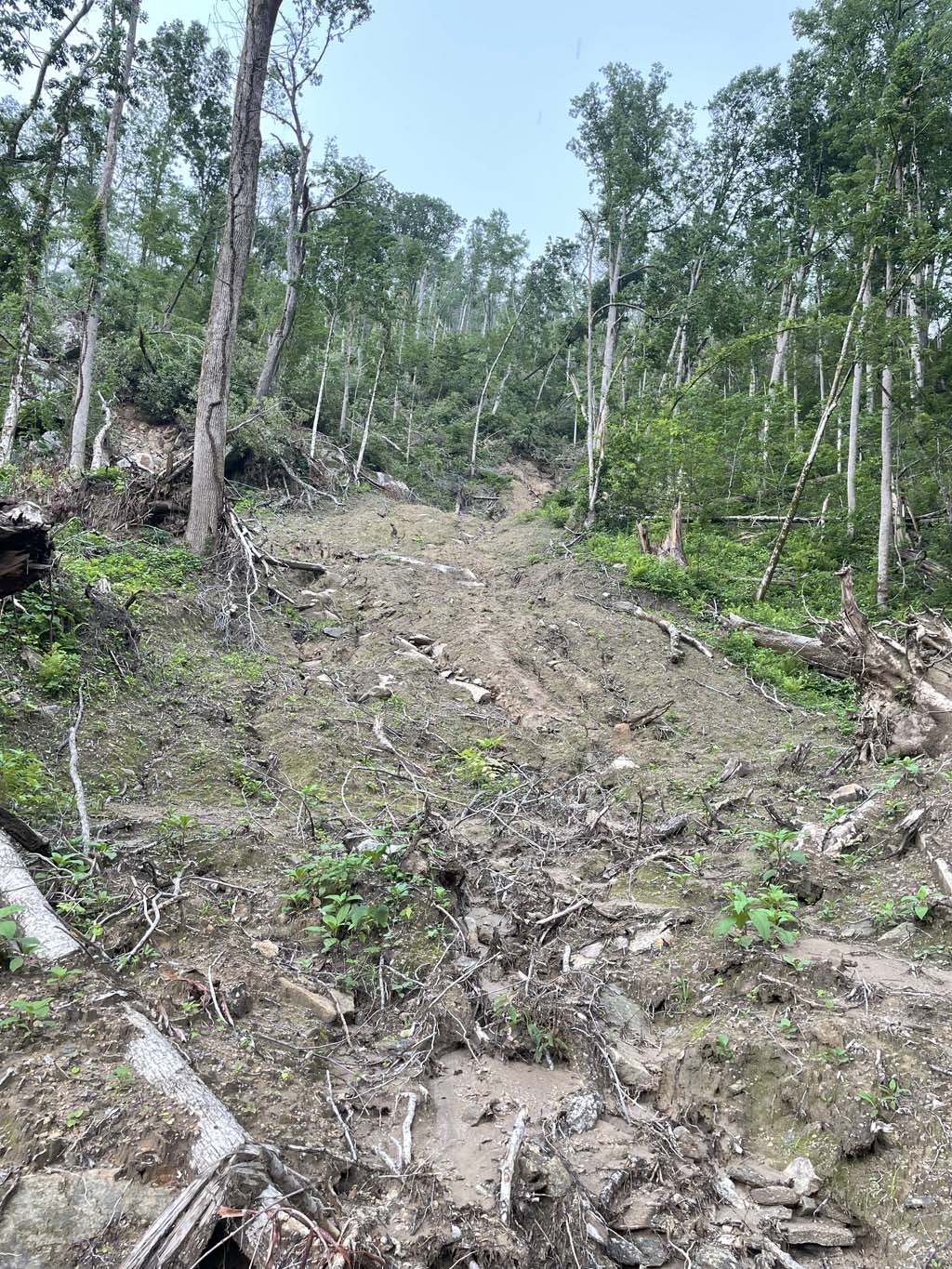
Despite having no power, running water, or even cell phone coverage, our Asheville-based team managed to get into Hickory Nut Gorge about a month after the storm. It still amazes me that we pulled it off. Roads were gone, towns had been devastated, and the landscape I had worked in for 15 years was unrecognizable.
We managed to reach four salamander sites. One had been completely destroyed by a landslide. But the other three looked okay, which gave us a sliver of hope. Unfortunately, those were peripheral populations.
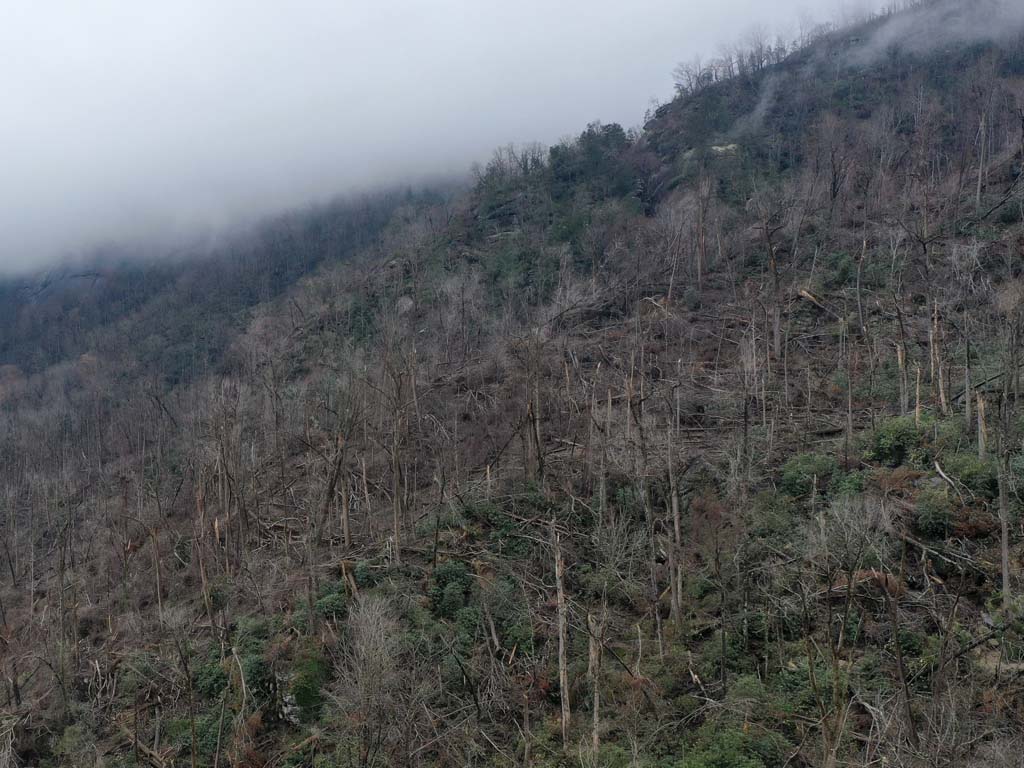
We needed to see the heart of the range. I got a drone up over one of our most important populations, everyone’s favorite site, and that’s when the full extent of the destruction became clear. The drone footage showed a completely shattered landscape. Our most pristine habitat was gone.
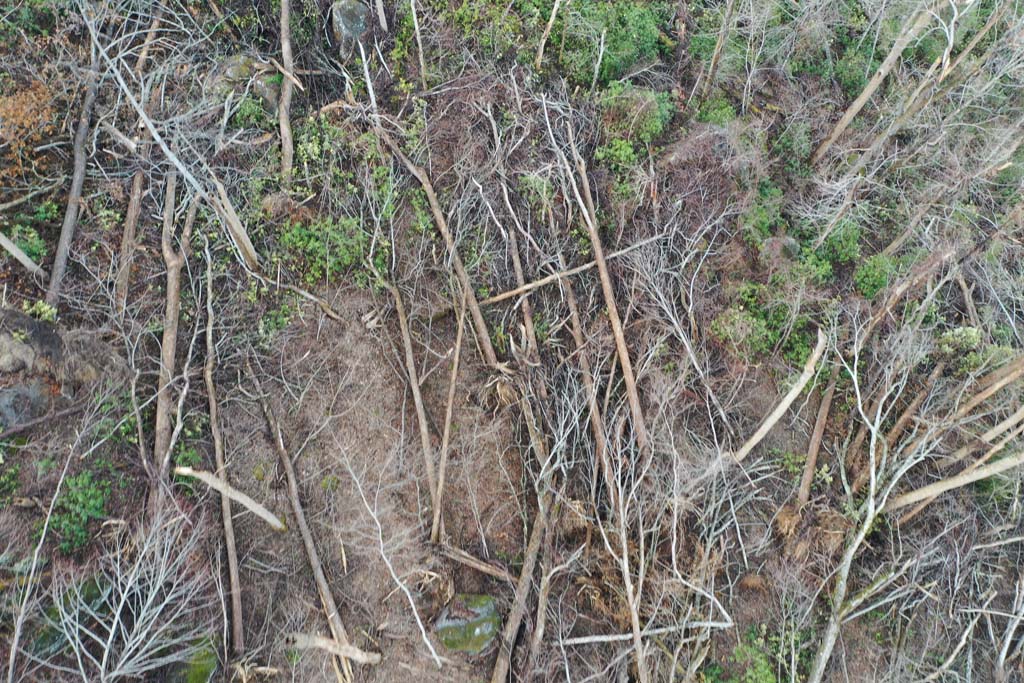
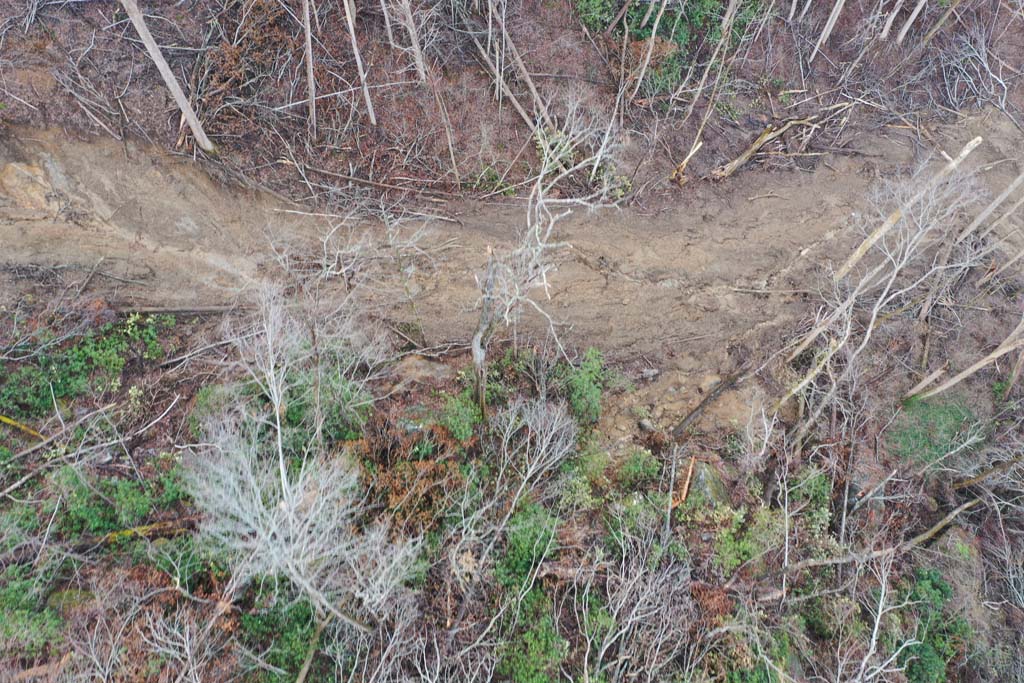
To understand how devastating that is, you need to know what we’ve learned about these salamanders. They are among the most endangered in the world. We estimate only 300–500 individuals remain in the wild, spread across a couple dozen isolated populations. Even if those estimates are off, we’re still talking about a species that would qualify as Critically Endangered.
The site that was destroyed by the landslide likely held 10% of the known population. We couldn’t wait. We had to act.
Normally, we’d pursue habitat restoration, but this species relies on mature forest canopies and moss-covered cliff faces. You can’t rebuild that in time to save a population. Translocation was another option, but no one has ever attempted it with this species, or even its close relatives. It would be risky, and we’d only have one shot.
That left one path: rescue the survivors and establish a captive population. We began working with partners to make it happen. Every detail needed to be right, from permits and transport containers to quarantine protocols.
Our team included the North Carolina Zoo (where the salamanders would be housed), the U.S. Fish and Wildlife Service, North Carolina Wildlife Resources Commission, The Nature Conservancy, and a dedicated group of volunteers. Special thanks go to Kim Lughart of the Henderson County Rescue Squad, who kept us safe throughout the process.
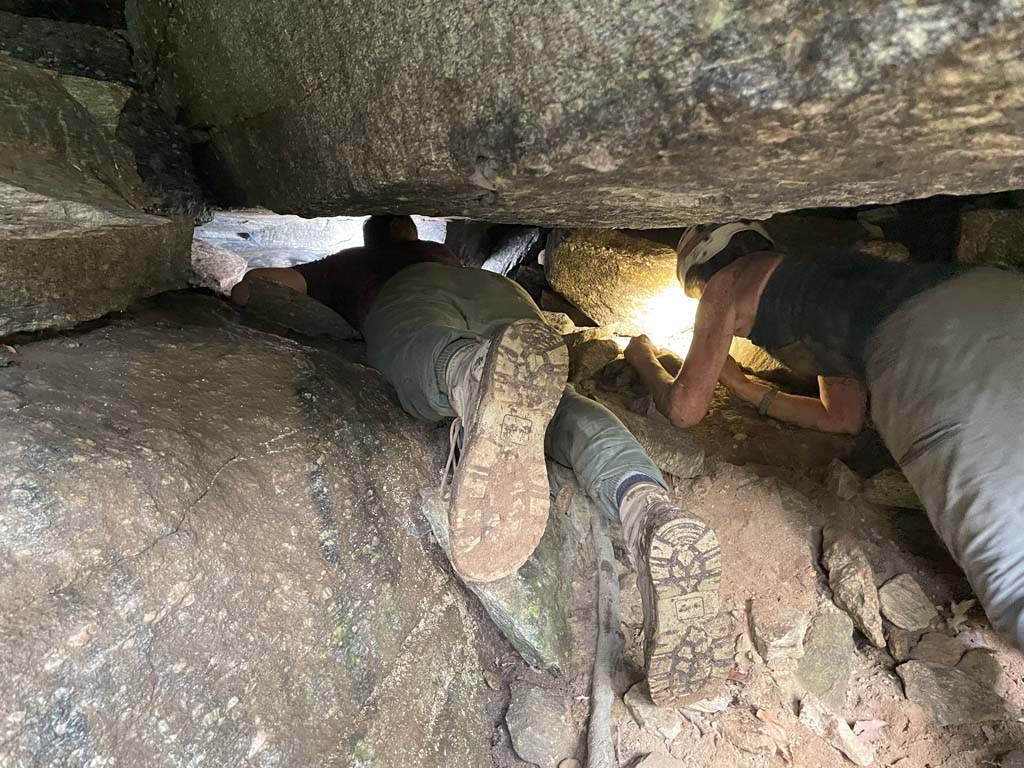
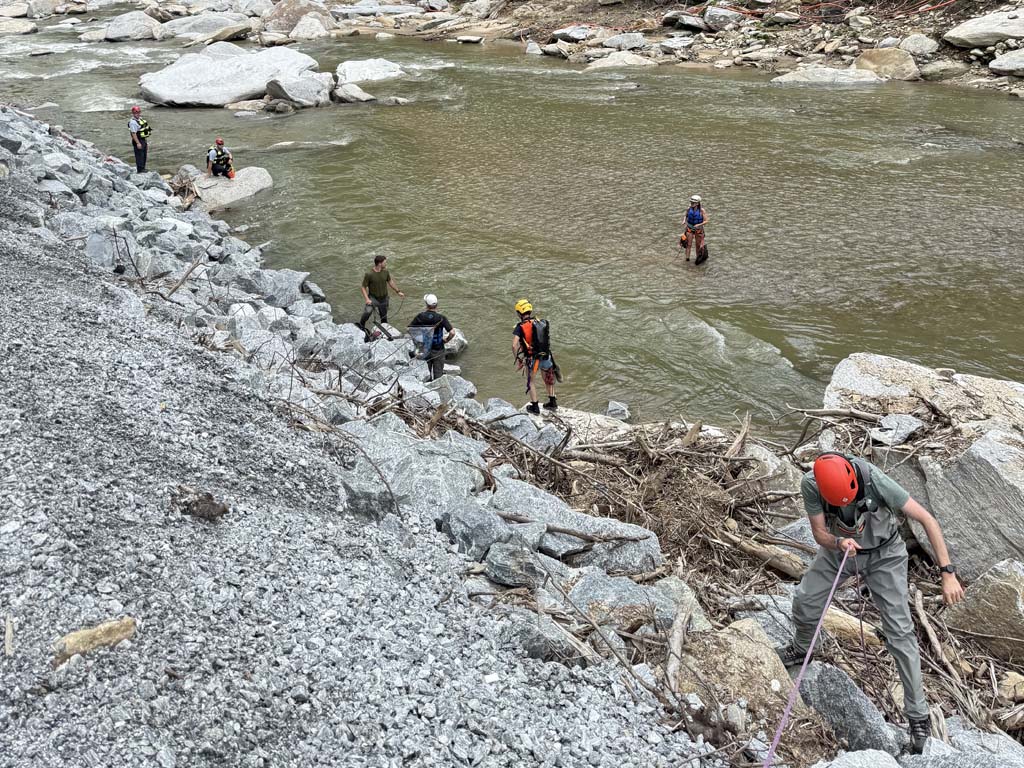
Just getting to the site was a monumental effort. The Department of Transportation had to rebuild part of a road to allow access. When we finally began rescue operations in late spring, we faced one obstacle after another. The first was a newly rechanneled, rushing river lined with giant riprap boulders. We needed waders, life jackets, dry bags, helmets, and throw lines, plus our normal field gear.
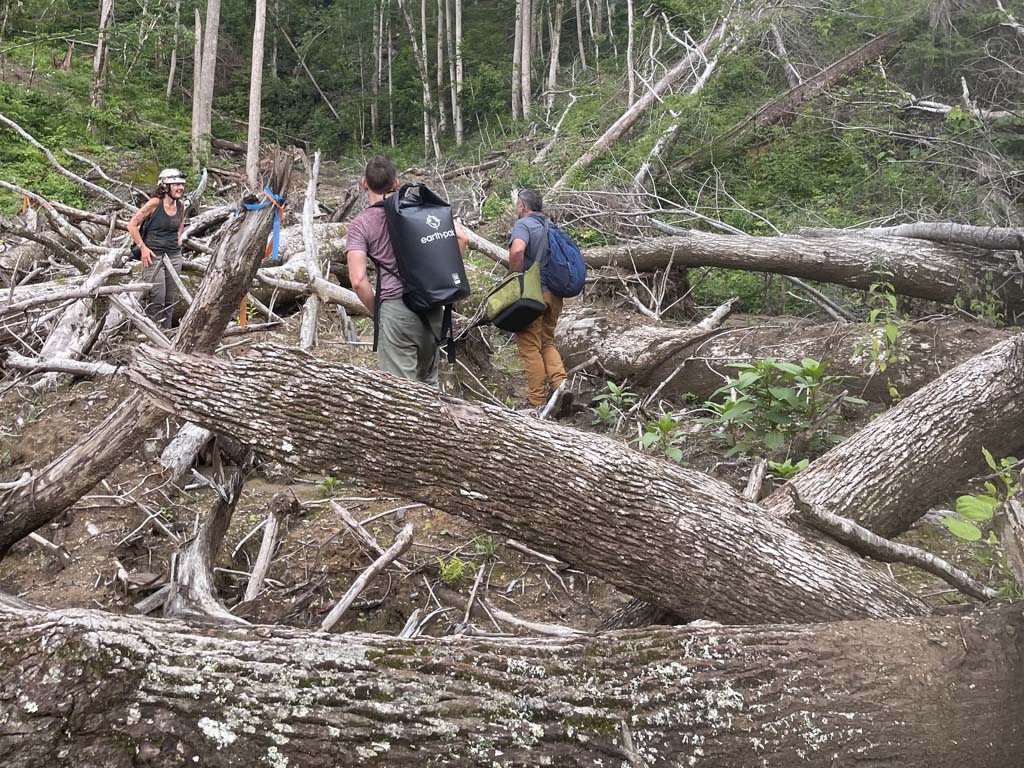
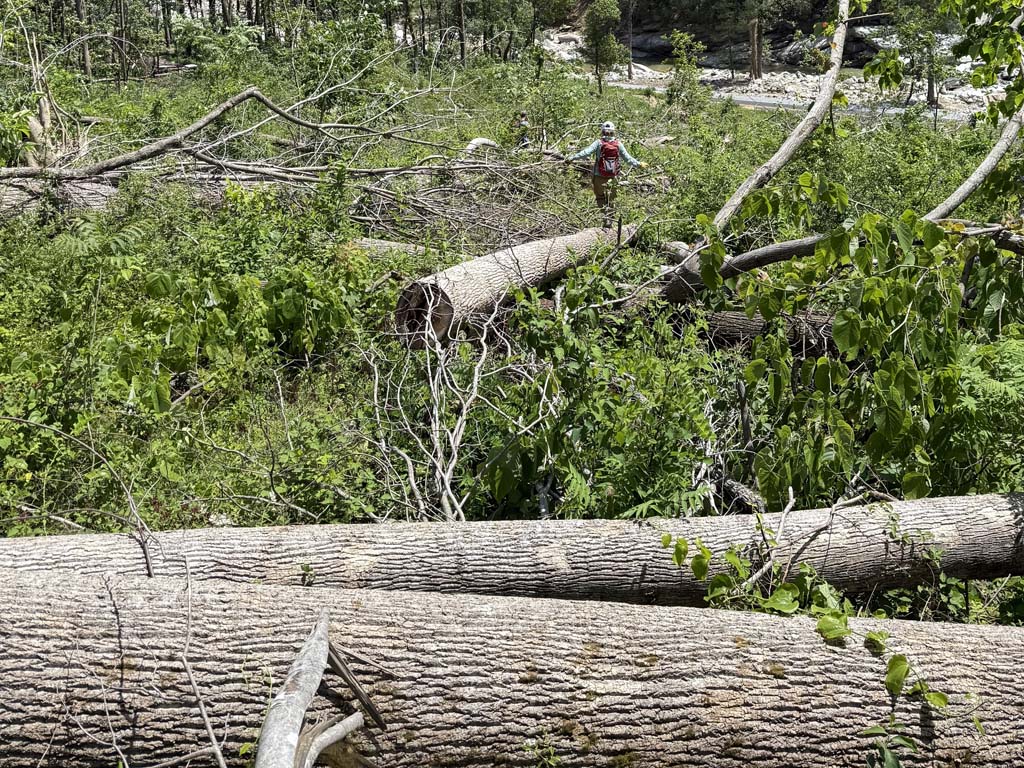
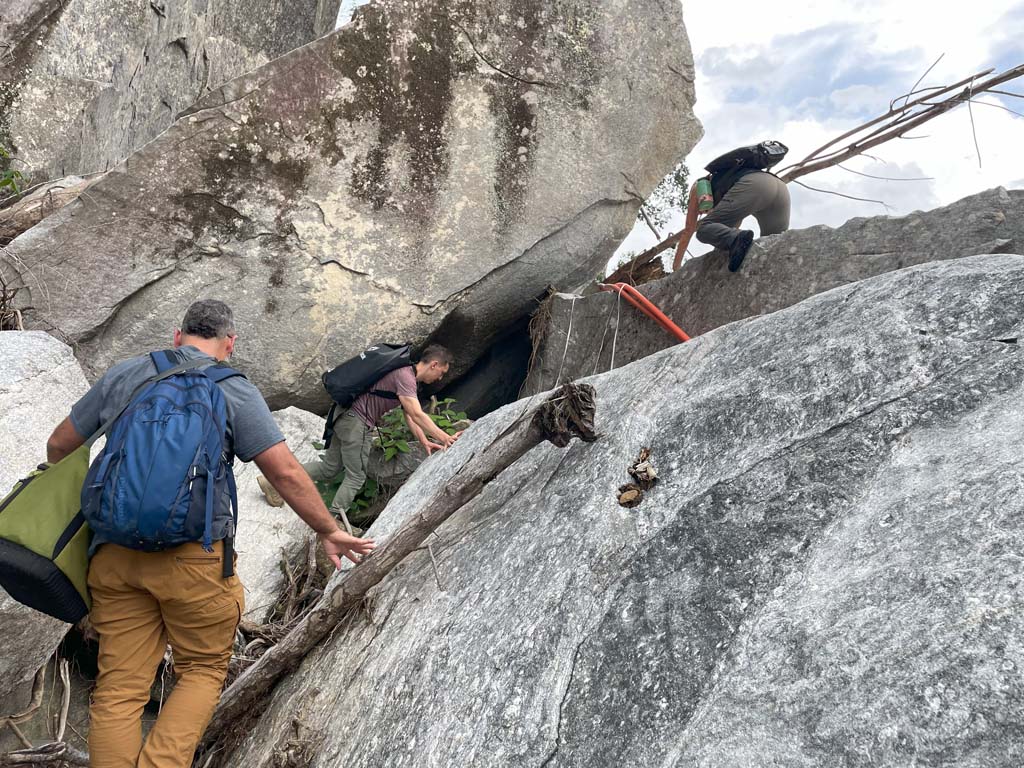
Then came the forest. Or what was left of it. Any trails that once existed were gone. Trees looked as if they’d been fed into a blender and spilled across the mountain. The climb to the site was steep, slow, and full of downed trees, tangled vines, tunnels of branches, and plenty of poison ivy. It was like an adventure race crossed with an obstacle course. But we made it.
That first day, we reached the most critical rock outcrops and found two large males. It was a success.
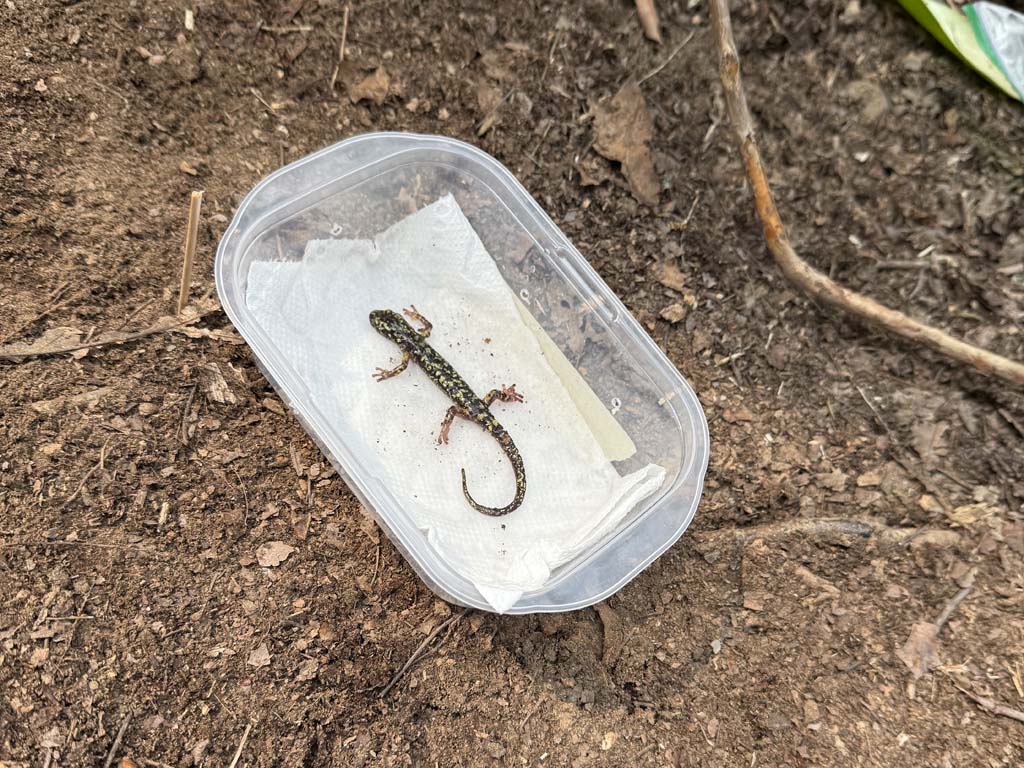
However, there was no time to celebrate. I drove straight from the site, sweaty, exhausted, and covered in dirt, to deliver the salamanders to the North Carolina Zoo. I remember pulling into a gas station to make the handoff. Not the glamorous kind of wildlife rescue you see in documentaries, but it was a meaningful moment. The beginning of the next chapter.
That day was both heartbreaking and hopeful. The forest was stripped bare by landslides. The habitat was gone.
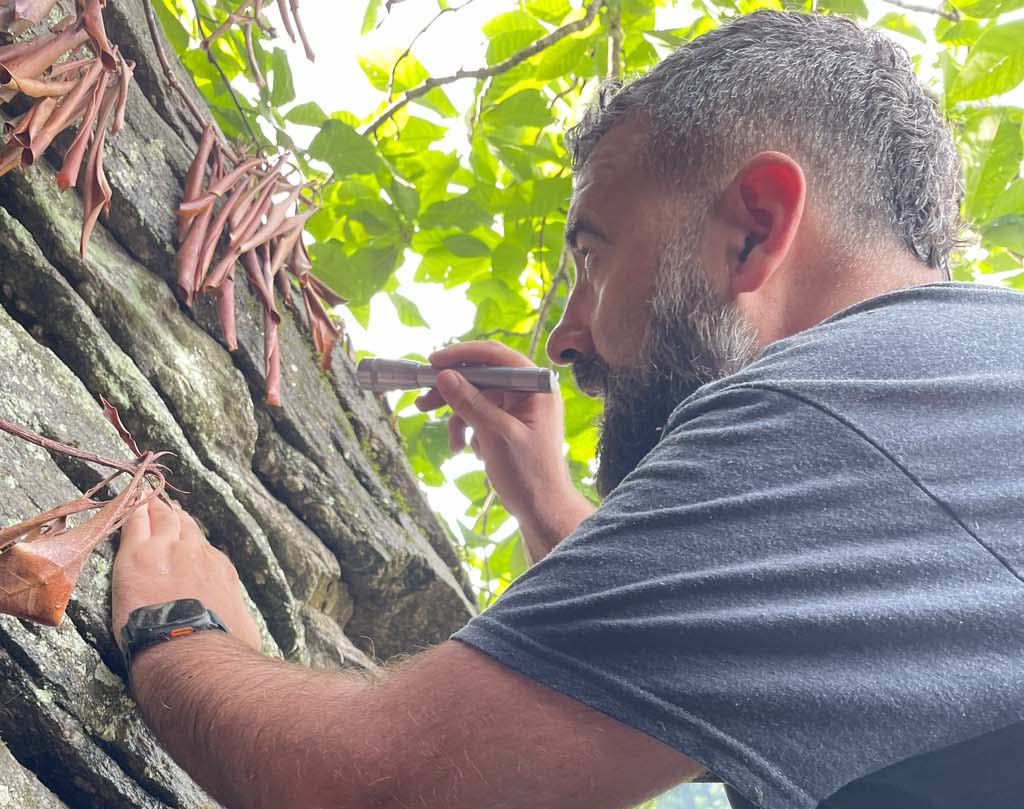
But there, in the middle of all that destruction, I found two salamanders. That small shimmer in the flashlight beam when I spotted them in rock crevices was a flash of hope. It was proof that we could still do something. That extinction wasn’t inevitable. That we had a chance to write a different ending for this species.
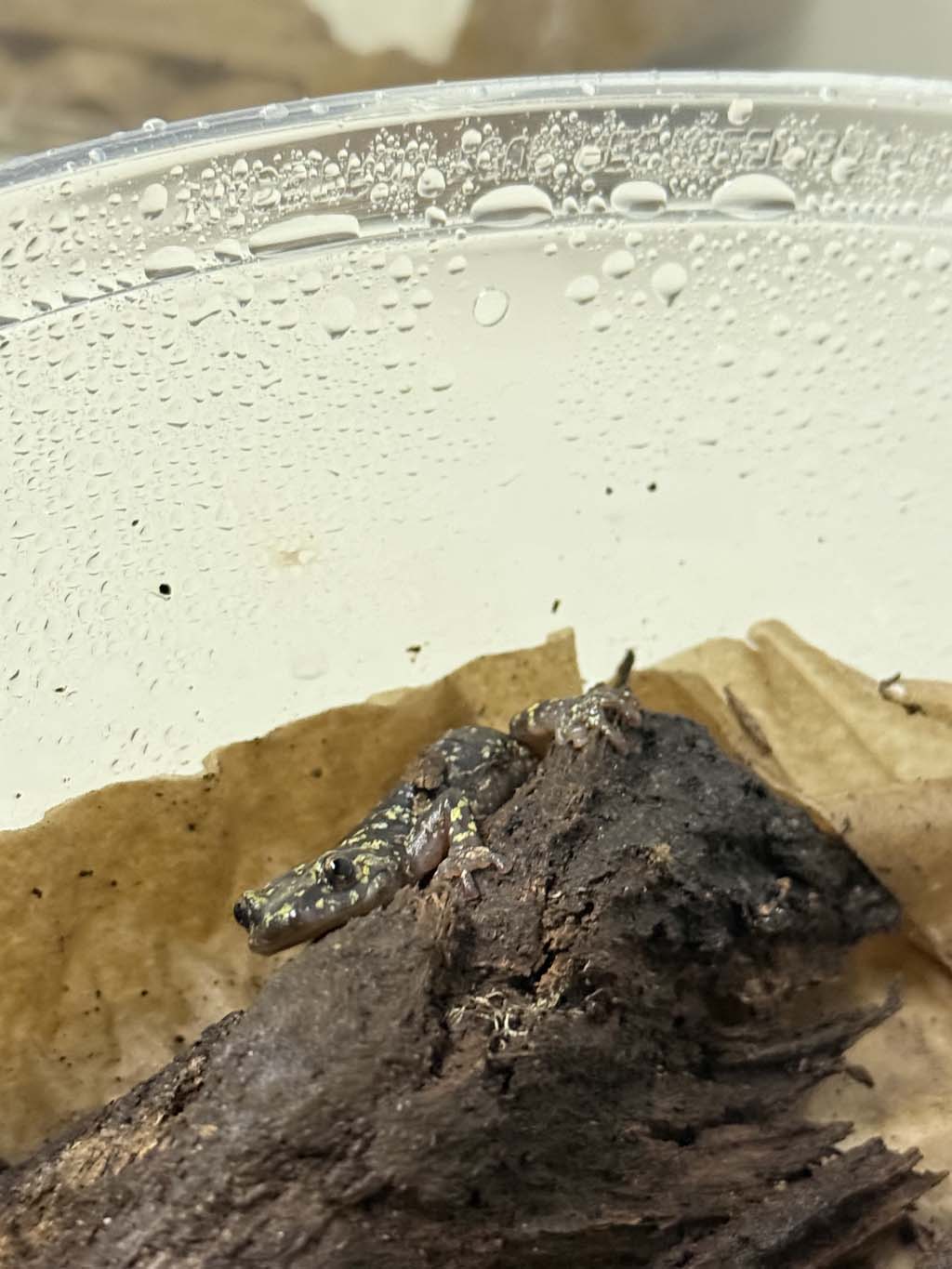
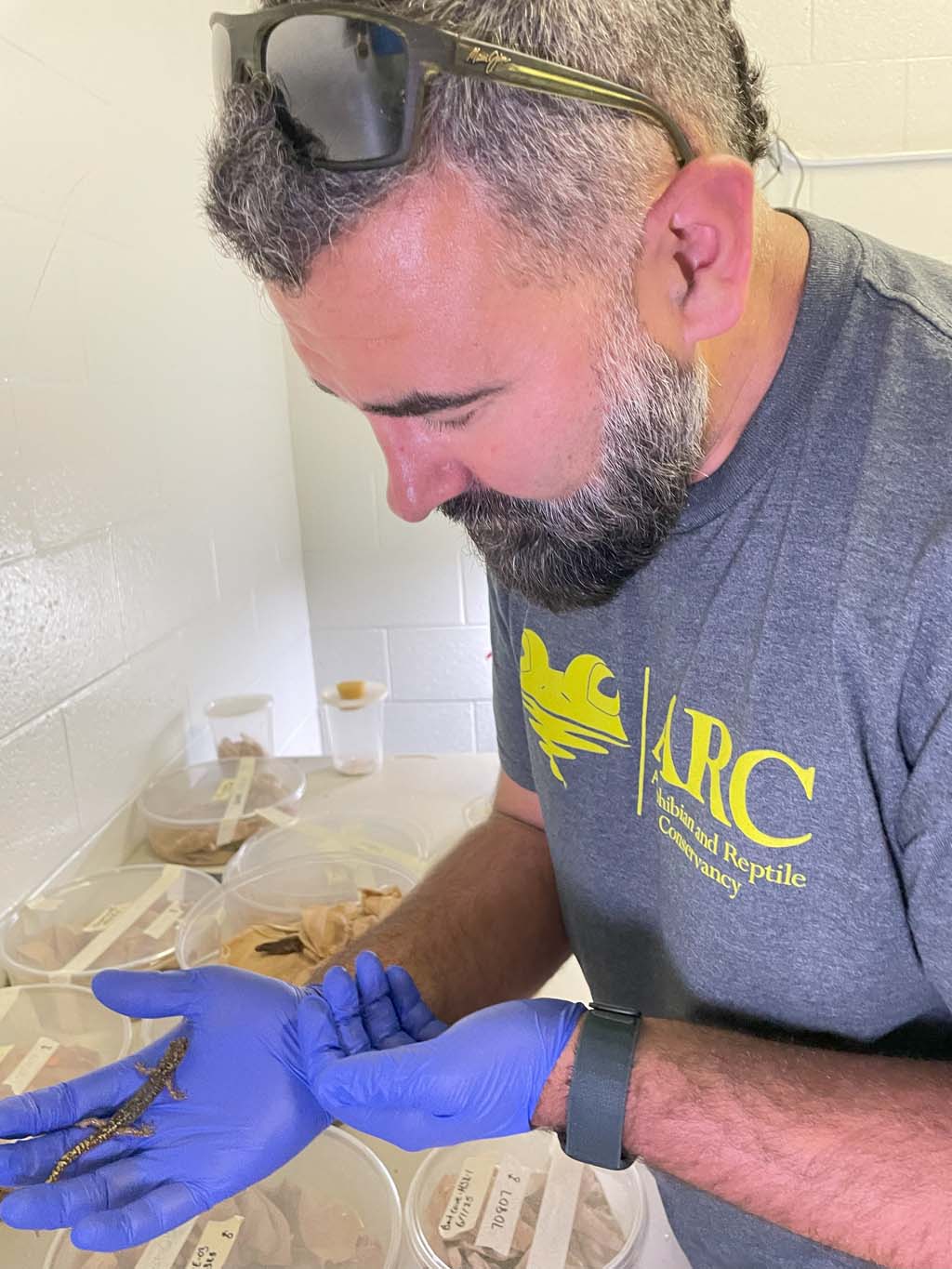
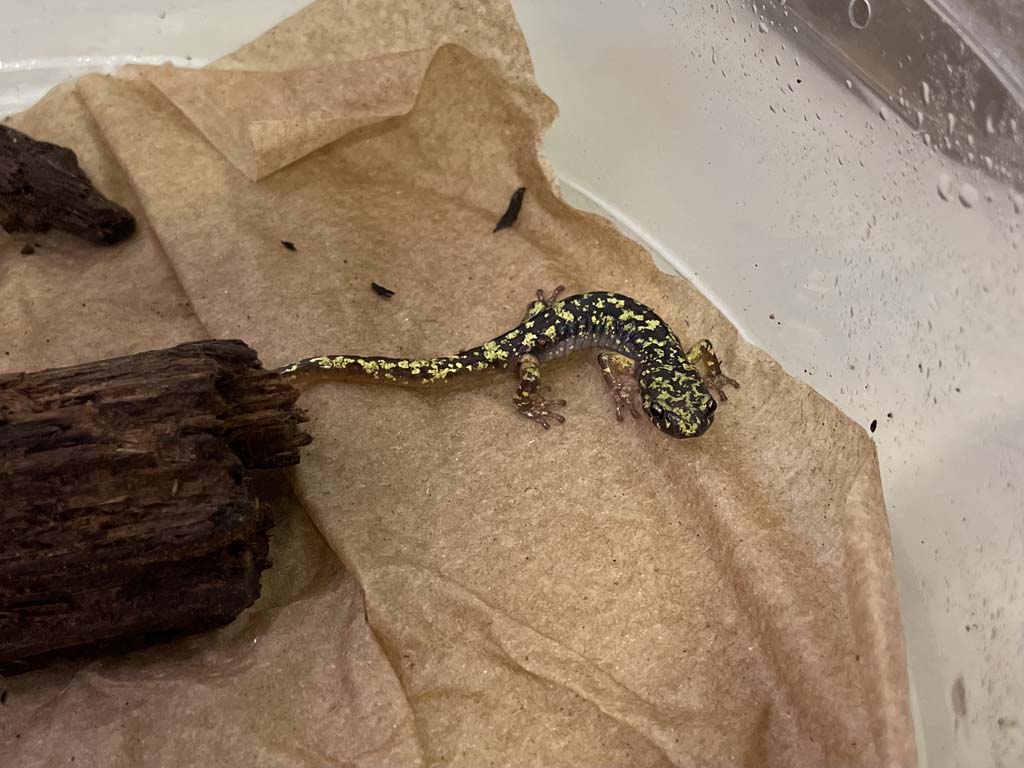
Since that day, we’ve returned to the site several times. As of now, we have 15 healthy Hickory Nut Gorge green salamanders in our care at the North Carolina Zoo, including several gravid females, meaning they’re carrying eggs. We plan to continue our search in the fall and are hopeful that this founding group will lead to the first successful reintroductions for the species.
Our lives, mine and the salamanders’, have become strangely and deeply intertwined. We’re both mountain creatures shaped by storms and circumstance. And while their fate is still uncertain, this rescue has reminded me of something essential: conservation is about showing up, even when things are at their hardest. Oftentimes, especially then.