Headstart the Holidays: Building Resilience for Imperiled Wildlife
“We found them. They survived the destruction from Hurricane Helene. And now, hopefully they’ll continue to grow and make bog babies of their own one day!”
Emilly Nolan, Southern Appalachians Program Coordinator, recalled her elation when, this summer, our team recaptured headstarted bog turtles we’d released back into the wild the previous year in North Carolina. They made it through the state’s most destructive hurricane, and they were still there.
For us, moments like this underscore the joy, but also the urgency, of working to safeguard some of the country’s most imperiled reptiles and amphibians.
In PARCAs, or Priority Amphibian and Reptile Conservation Areas, across the US, we’re carrying out targeted actions aimed at the recovery of these imperiled yet often overlooked animals.
As the year draws to a close, we’re launching our Headstart the Holidays campaign to reflect on one of the most impactful efforts we implement in PARCAs: headstarting. This involves raising young animals in captivity past their most vulnerable stages before releasing them back into the wild. Headstarting enables us to bolster existing populations, start new ones, and buy time while we’re implementing broad-scale habitat protection and restoration.
In 2025, we partnered to headstart several amphibian and reptile species in PARCAs from Arizona to Florida. In other words, we’re taking these actions to scale, raising and releasing thousands of animals each year across several PARCAs.
From the careful collection of eggs to the daily care of growing young, these efforts rely on skilled biologists who spend long seasons working in the field and captive facilities. Headstarting isn’t quick, easy, or inexpensive, but for many species, it’s the difference between declining quietly and rebuilding resilient populations.
Read on to learn how your support helped make that possible this year for three species. Then, we hope you’ll Headstart the Holidays for imperiled amphibians and reptiles throughout the US. You can help us hatch a brighter 2026 for these species with a donation, and it’ll be matched! From December 2 – 31, 2025, every dollar you give will be doubled for imperiled species.
Bog Turtles: Feisty Little Survivors
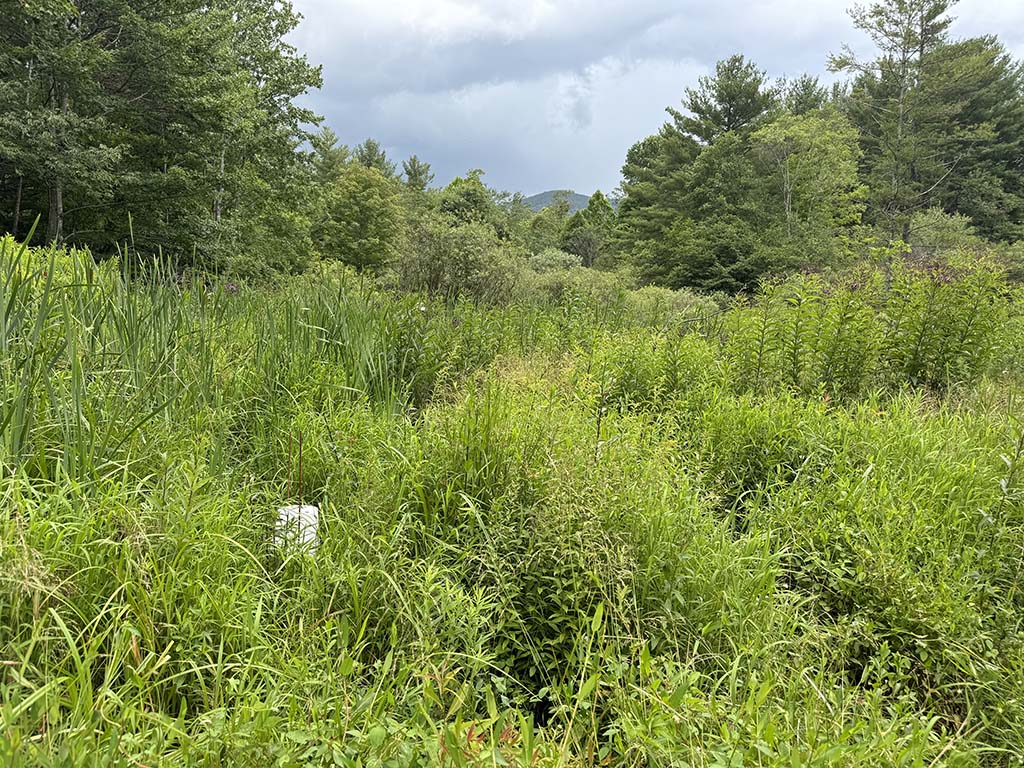
“It was like pulling rabbits out of a magician’s hat; we just kept going back for more,” laughed Emilly as she described a recent bog turtle survey. One after the other, three turtles of different age classes emerged in the hands of our Field Biologists after reaching their arms down a burrow in the mucky soil of a bog, using a method aptly named “noodling.”
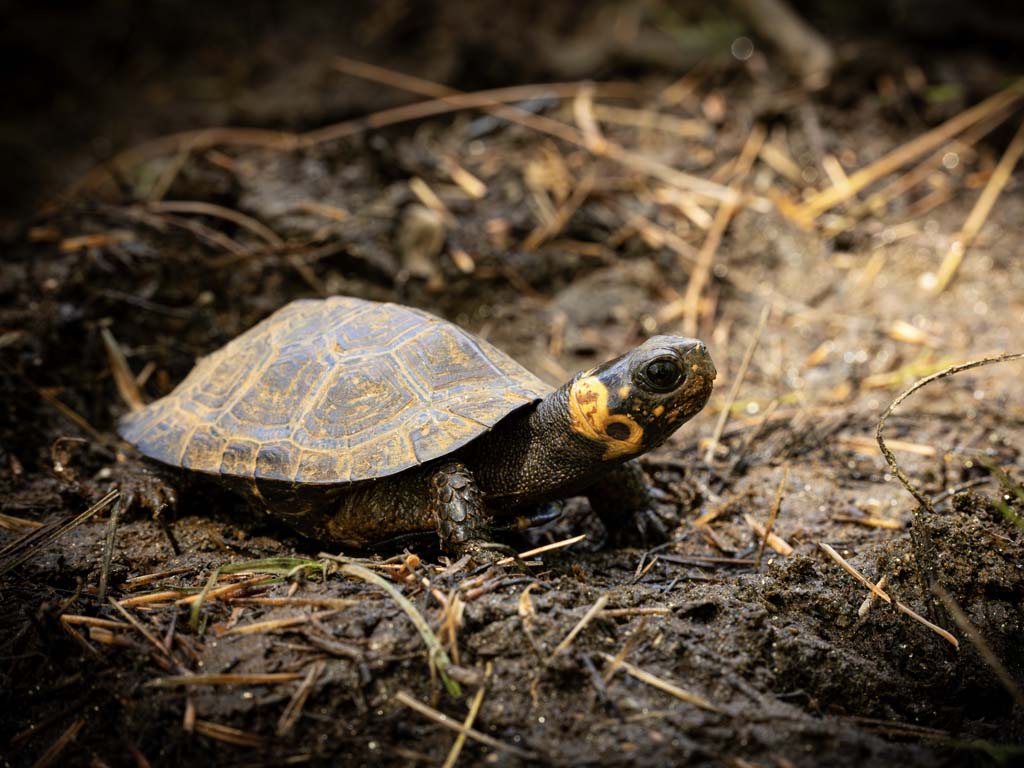
While we were able to find three Threatened bog turtles in a row during this survey, their populations have experienced big declines in the last few decades. Bog turtles, which grow to only four or five inches, face enormous challenges, particularly habitat loss and illegal collection.
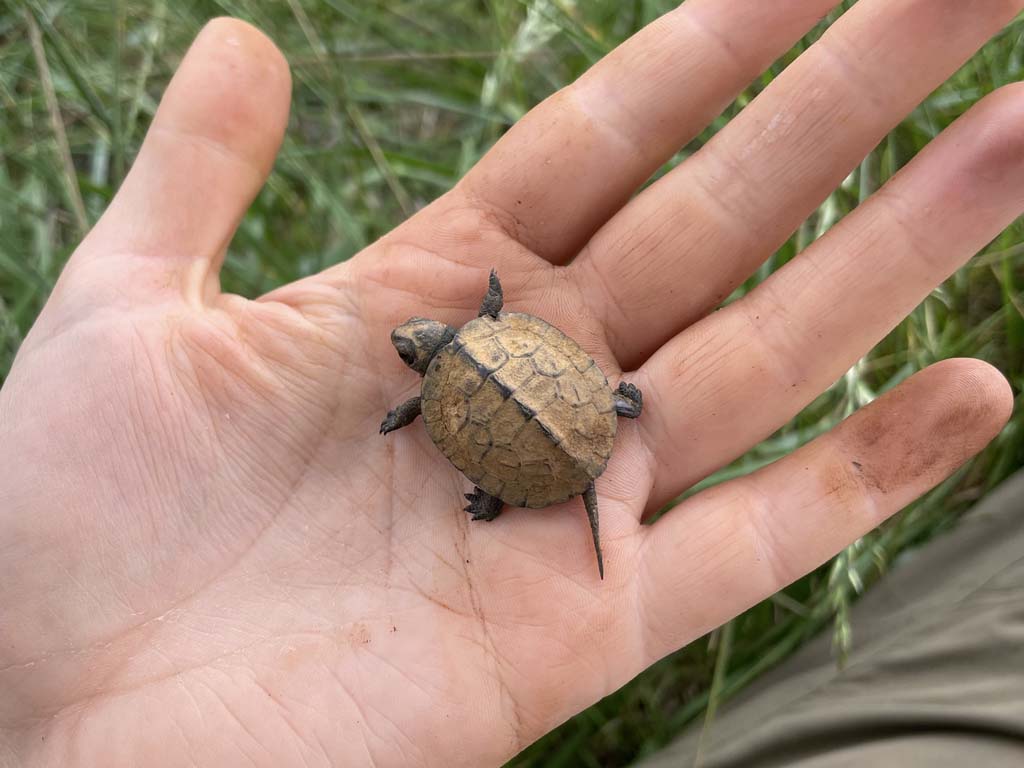
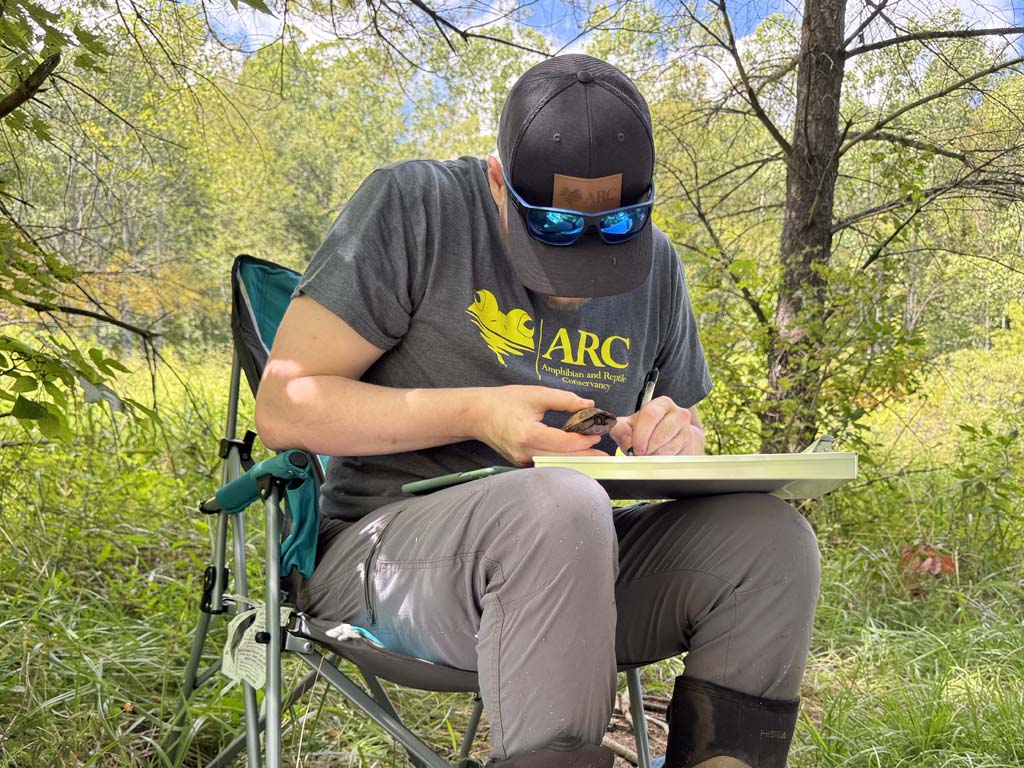
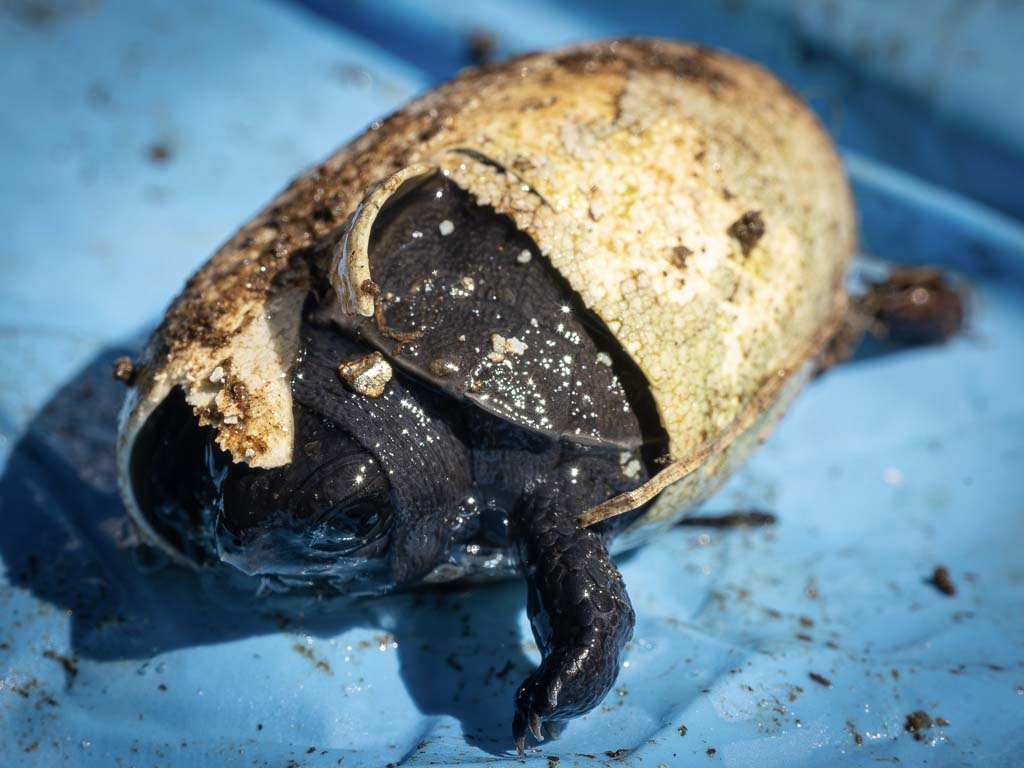
We partner with The Nature Conservancy and the North Carolina Wildlife Resources Commission to locate bog turtle nests in our Southern Appalachian PARCAs. When a nest is found, we collect the eggs, and they’re transported to Zoo Knoxville for headstarting.
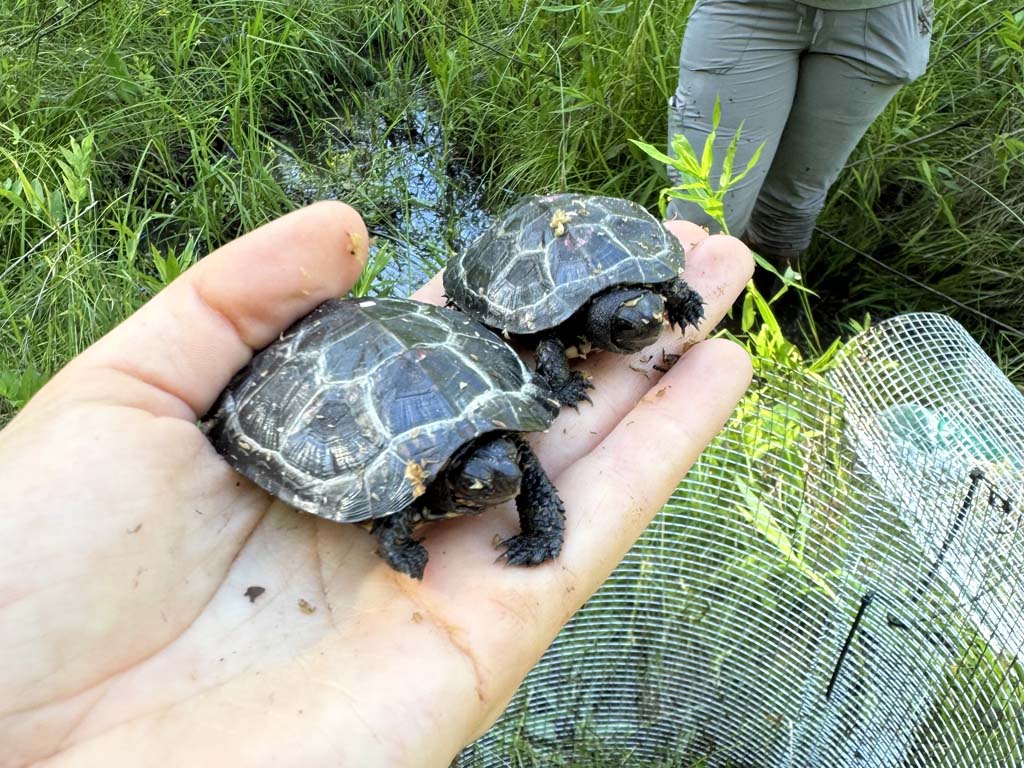
Hatchlings spend about 11 months in captivity, growing bigger and stronger than their wild counterparts. “The headstarts are about three times larger with much harder shells than wild hatchlings,” noted Field Biologist Reese Sloan.
The turtles are then released back into their bogs using soft-release enclosures that allow them to acclimate safely before returning to the wild. Since 2022, we’ve headstarted eggs and hatchlings from 36 nests alongside our partners.
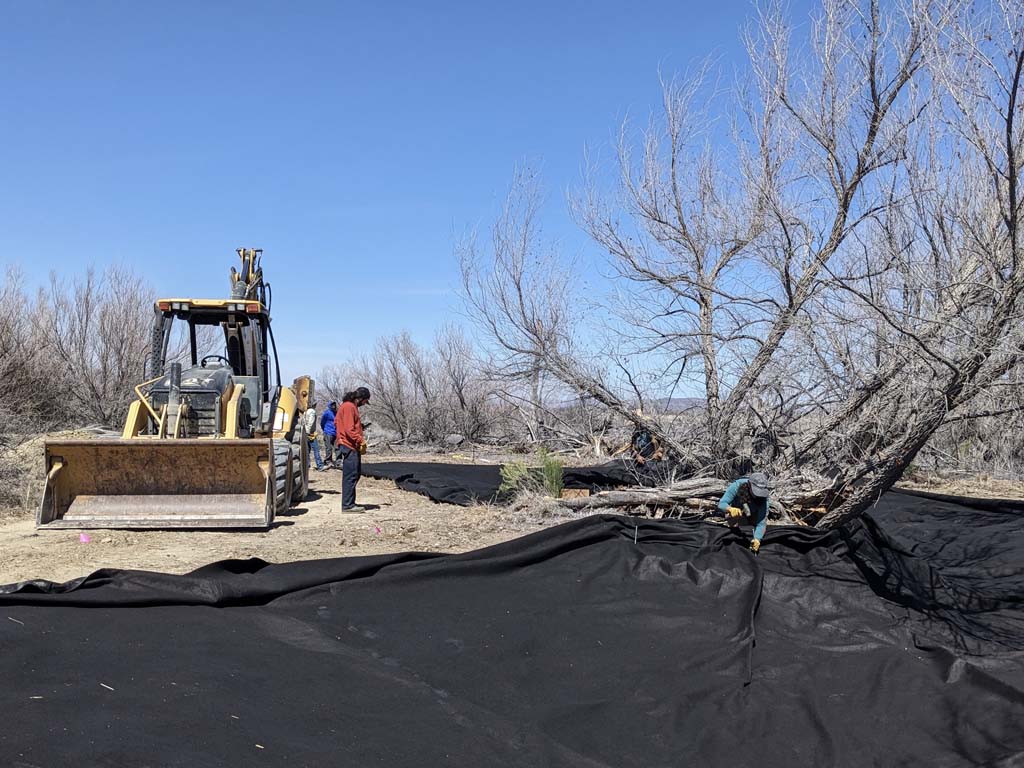
Of course, however, the places they’re being released must be able to support them. That’s where habitat restoration comes in. We remove invasive plants, thin out overgrown woody shrubs and trees, fix the flow of water in these bogs, and more.
These big efforts are worth it for these small turtles with big personalities. As Emilly explained, “Sometimes, we get a really ‘feisty’ turtle that just does not want to be measured and will bite at our fingertips or pencils. It’s quite funny to see such a little animal try to take on something 100x its size.”
Frosted Flatwoods Salamanders: Resilience Against the Unpredictable
“Every frosted flatwoods salamander we raise and release is a chance to keep this species on the landscape,” said Executive Director JJ Apodaca.
A handful of Threatened frosted flatwoods salamander populations are hanging on in fragments of longleaf pine forests that remain in Georgia and Florida. With the loss of more than 90% of these forests, which once blanketed the Southeastern US, the numbers of these historically widespread salamanders have plummeted.
To help bolster their populations, we collect eggs and headstart larvae (like tadpoles) in outdoor tanks before releasing them back into restored wetlands.
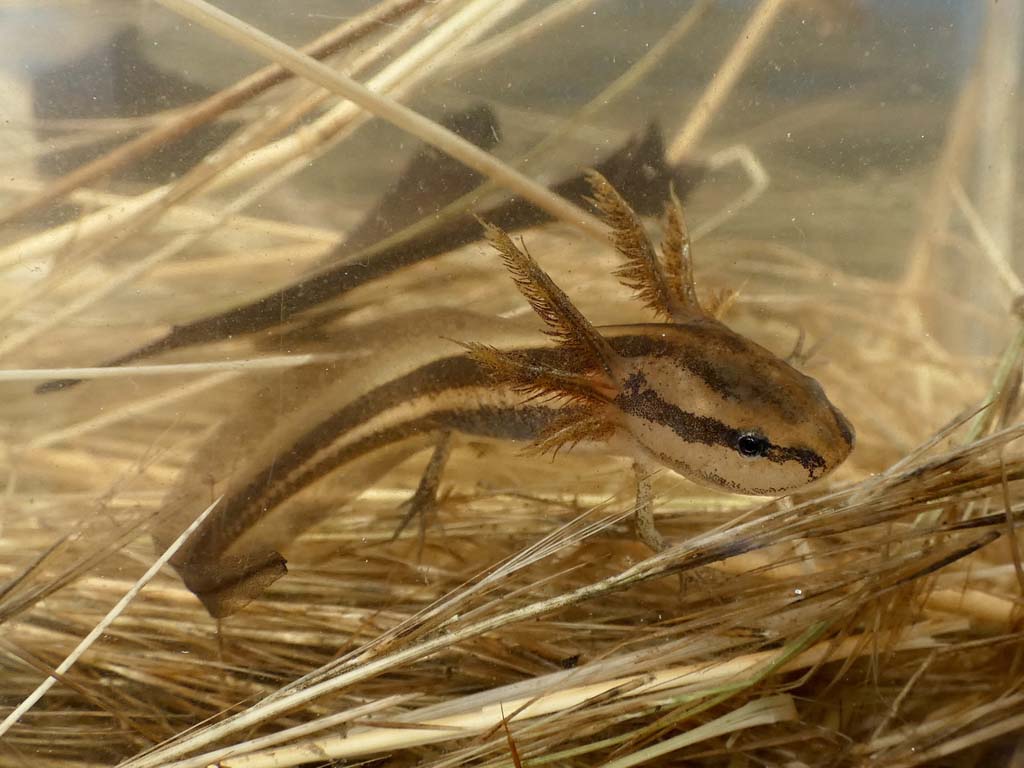
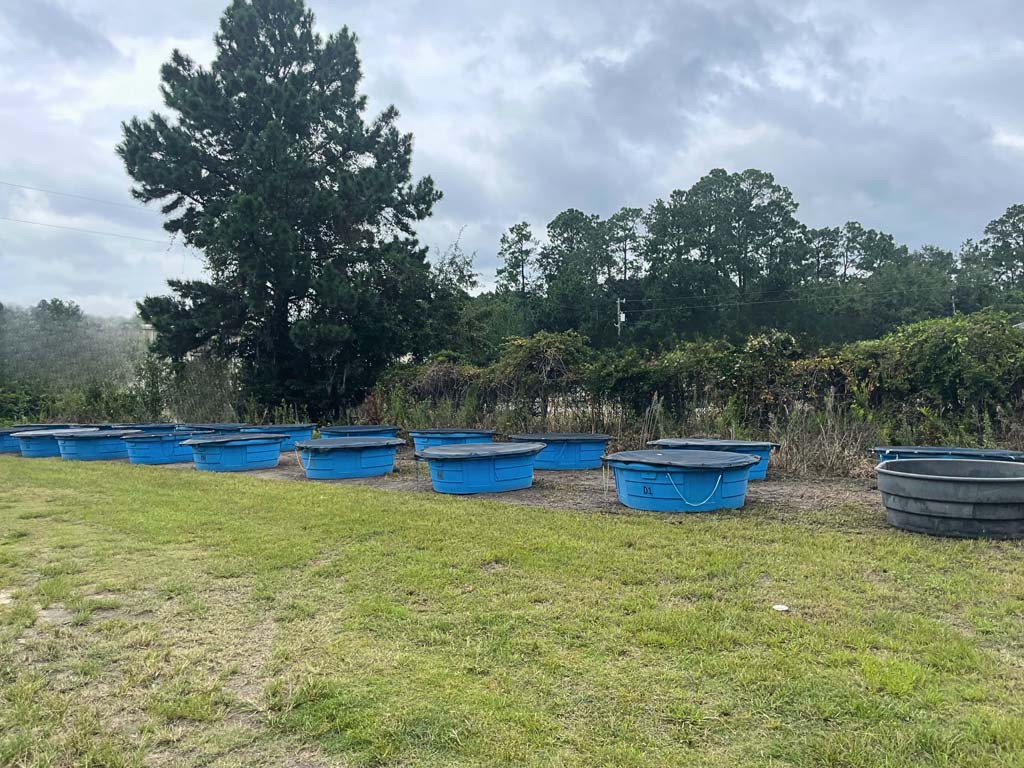
In 2025, we headstarted and released 1,364 salamanders in Florida and Georgia PARCAs. The work in these two states presented different challenges, highlighting just how variable conditions can be for these at-risk salamanders.
In Florida, “we started with plans to headstart 300 animals and ended up raising more than 1,200,” Project Coordinator Nicole Dahrouge explained. “So, we quickly set up 50 more tanks.” They were needed after the team unexpectedly collected more than 1,000 eggs from just one site.
But the opposite was true in Georgia. In late 2024, Tropical Storm Debby and an unnamed second storm flooded important sites in the Fort Stewart PARCA here, at just the wrong time. “The nesting habitat that had been used the year before was underwater when we hoped it would be accessible for the salamanders,” said Rob Tiffin, Project Coordinator.
When the salamanders finally did lay their eggs, those seasonal wetlands didn’t get enough rain to fill up again. We collected the eggs we could find for headstarting, but “many eggs probably dried up and didn’t make it,” said Rob.
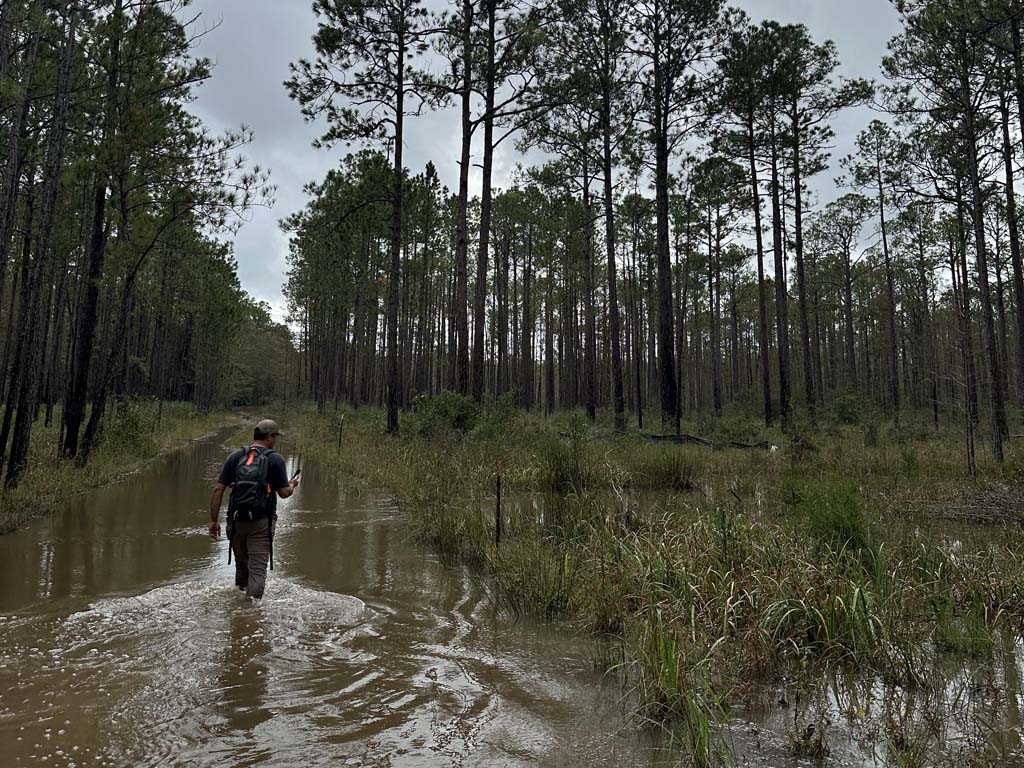
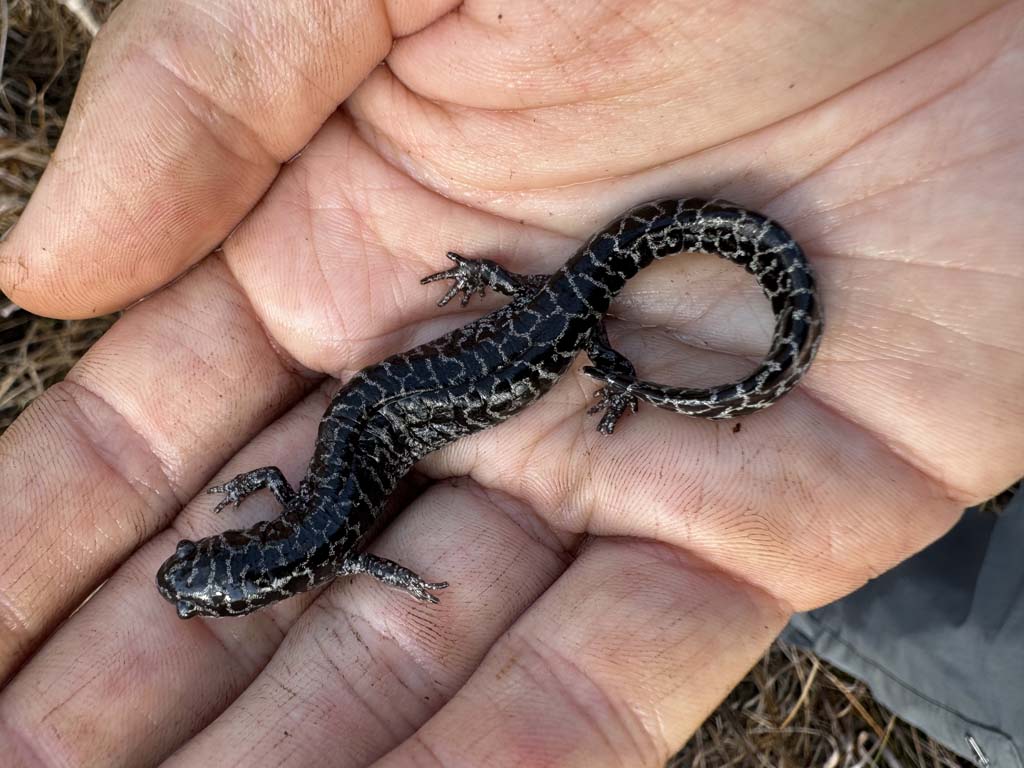
The bad timing of these big storms demonstrates exactly why this work is needed. By giving these salamanders a head start past their most vulnerable stages, we’re building larger, more resilient populations that can better withstand storms, droughts, and other unpredictable events.
And they have the ability, not only to recover, but to surprise us. As Rob explained, “I was amazed when we discovered a new site occupied by salamanders this year. [Field Biologist] Lucas [Geurs] spotted a tiny larva as it came up for air, a nearly impossible thing to see. After searching the area for two hours, we were all standing there in conversation, and he just stuck his net in the water and came up with the larva.”
Chiricahua Leopard Frogs: Strengthening Populations
“We’re doing all we can to help ensure Chiricahua leopard frogs get their best odds,” said Southwestern Program Coordinator Becca Cozad.
In the Southwestern US, the calls of the Threatened Chiricahua leopard frog could once be heard across the riparian areas and wetlands that dot Arizona and New Mexico. Now, these frogs are believed to occupy only about 15% of the sites they once did. They face a multitude of threats, from invasive species like bullfrogs and crayfish to water scarcity, unsustainable grazing, and disease.
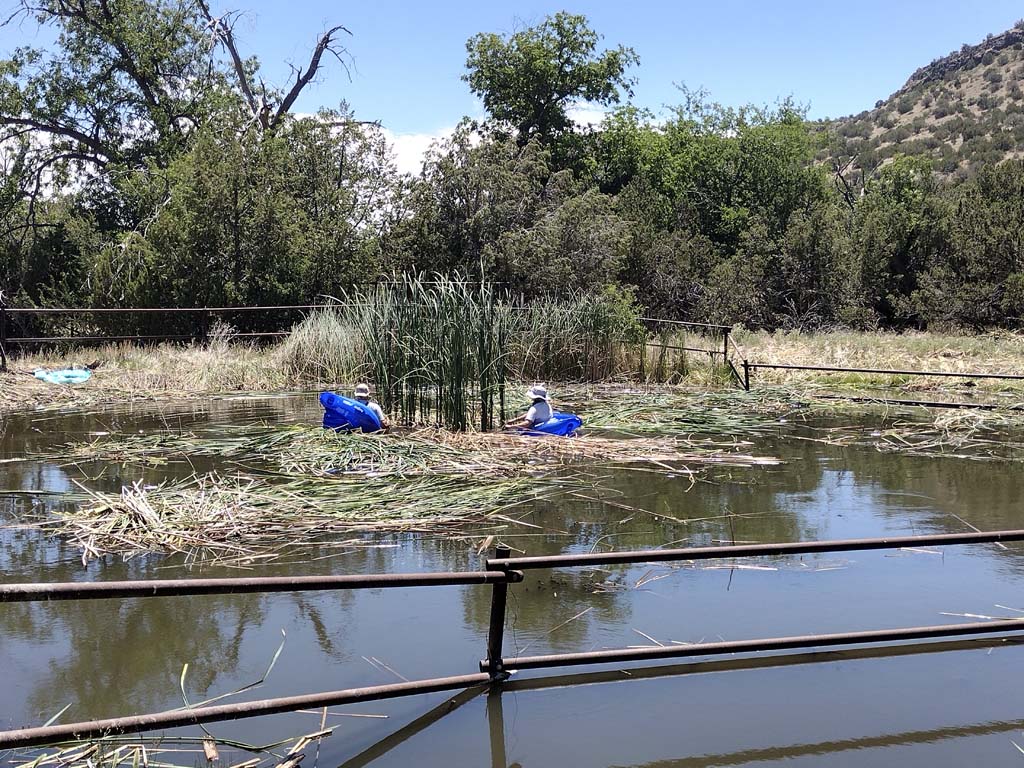
Our team works with partners to support Chiricahua leopard frog headstarting. Case in point, we helped repair and restore the ranariums where frog eggs and tadpoles are headstarted at Eastern Arizona College and Turner Endangered Species Fund in New Mexico. And we’ve done the same for the nearby ponds and other wetlands where they’re released as froglets, or young frogs.
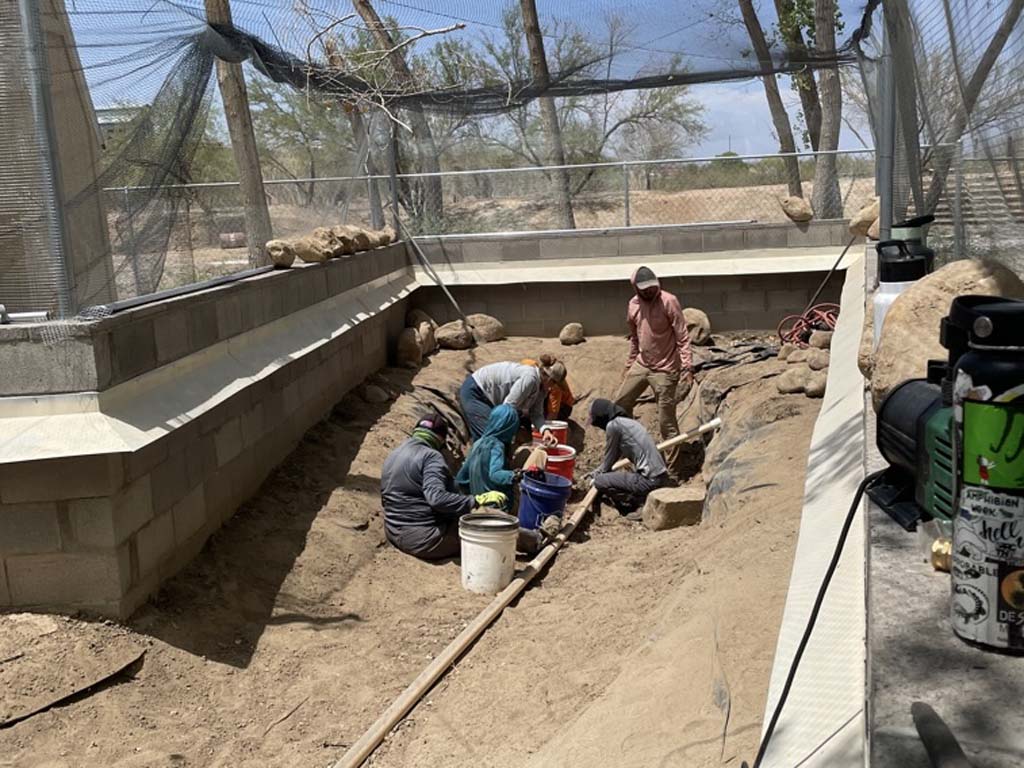
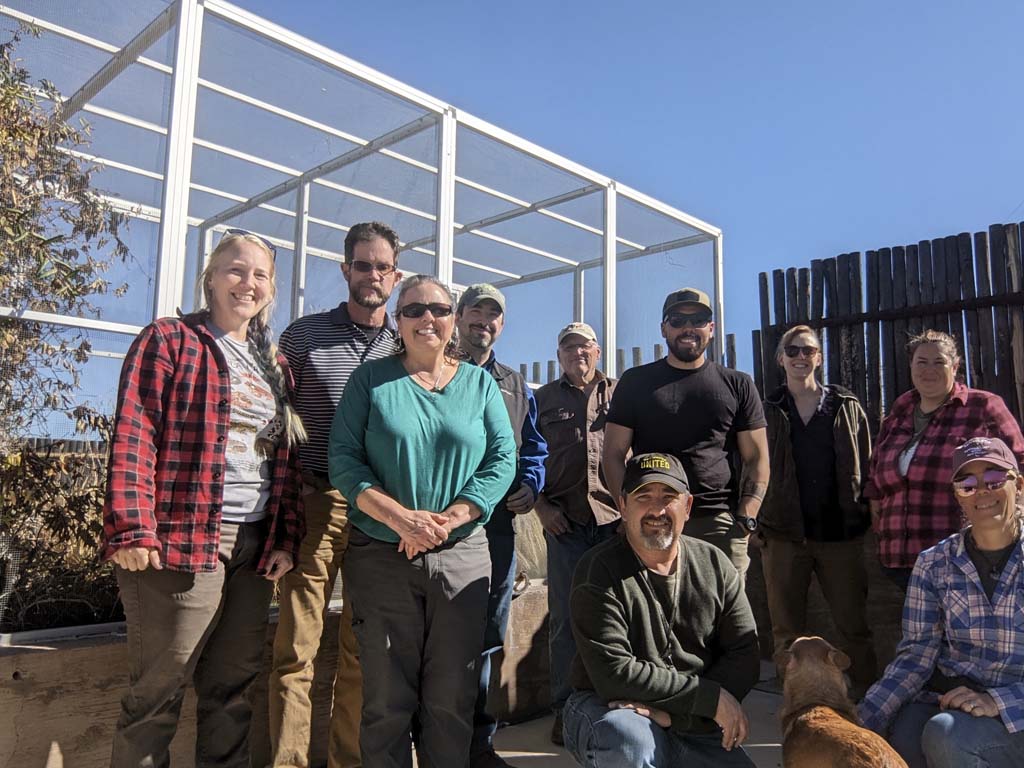
We also collaborate with state and federal agencies to carry out targeted actions for their survival. For example, in recent drought conditions, we worked together to rescue more than 1,400 frogs and tadpoles from drying ponds in Arizona and New Mexico. Rescuing so many of these rare frogs made a big difference in safeguarding genetic diversity and boosting future breeding success.
“Genetic diversity is critical for these frogs, especially if the area continues to experience drought in the long term,” explained Becca. “More genetically diverse populations are stronger in the face of environmental changes.”
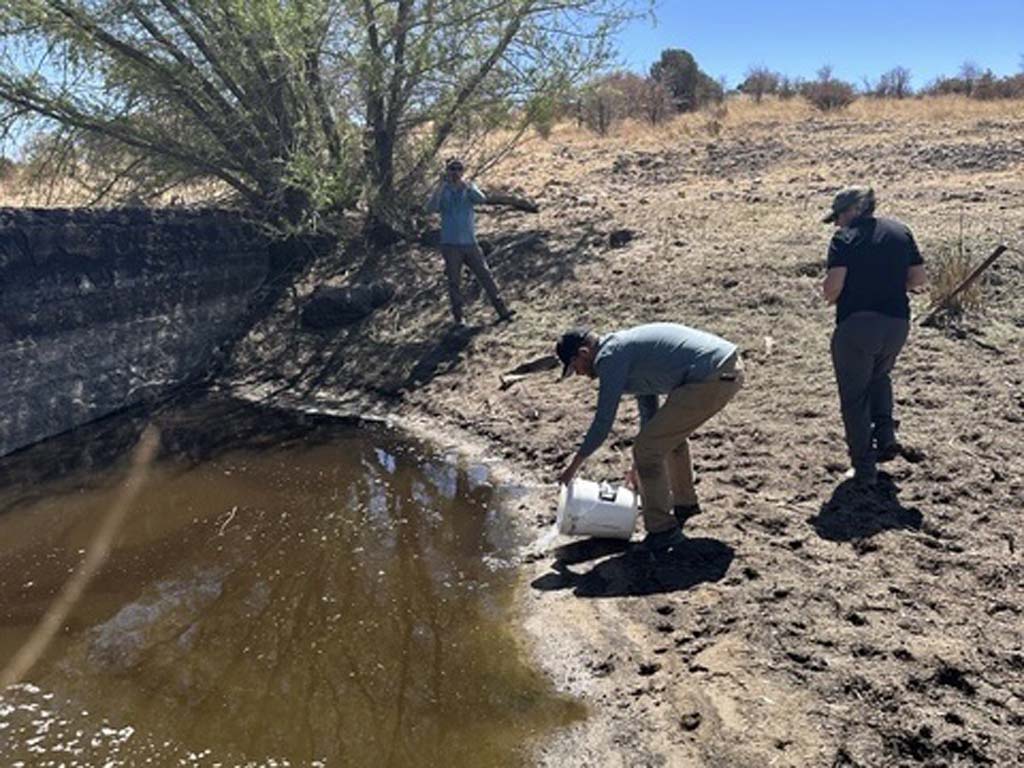
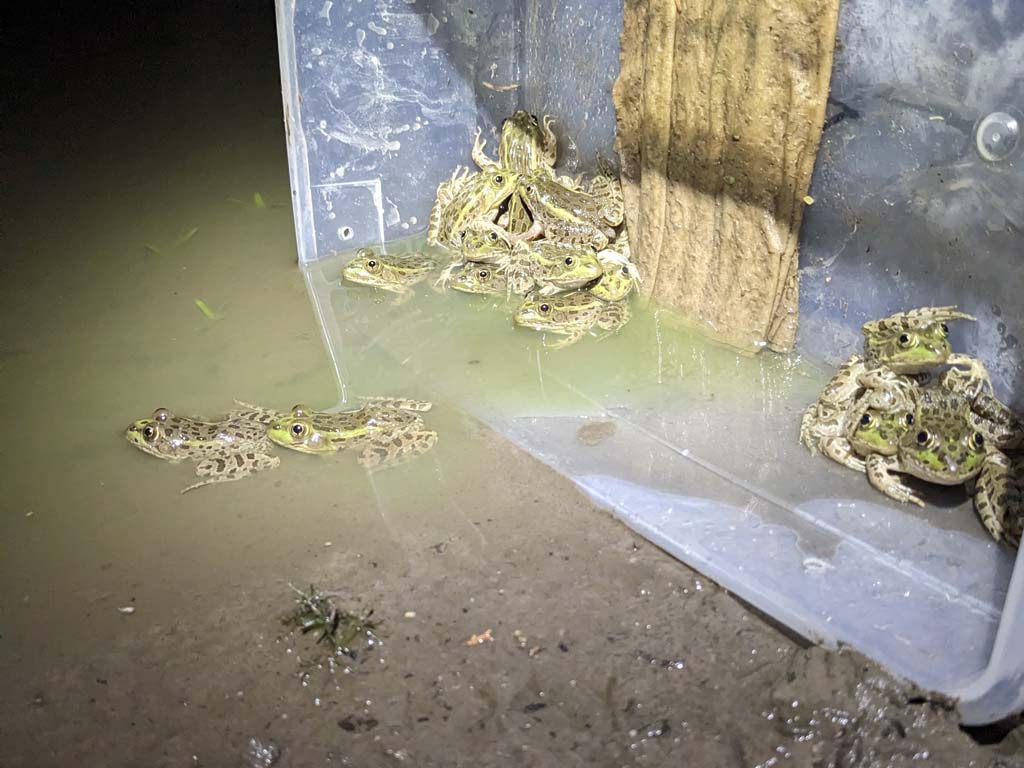
The other key to their continued survival is healthy, connected habitat. To this end, we work tirelessly with partners to mechanically reshape ponds, remove invasive species, and plant native vegetation.
“Headstarting and habitat restoration go hand in hand,” said Becca. “Every time we partner to help with frog raising efforts or restore a pond, we’re pushing this species a little closer to stability. It’s a long haul, but that’s how recovery happens.”
Headstart the Holidays: Double Your Impact
From Giving Tuesday on December 2 through the end of 2025, every donation to our Headstart the Holidays campaign will be matched. Your gift will be doubled to support headstarting programs like these, help restore wetlands, protect habitats, and much more.
Will you please click here to double your impact and Headstart the Holidays for imperiled amphibians and reptiles?