Being Proactive to Improve the Fate of Imperiled Species under the Endangered Species Act
Conservation works best when it addresses issues before they become crises, rather than scrambling to respond to them. Too often, efforts begin only after populations have plummeted and habitats have vanished, when recovery becomes far more costly and difficult. That’s the emphasis of a recent article coauthored by ARC’s Executive Director JJ Apodaca (Schwartz et al. 2025).
The paper draws on lessons from the past half-century of species conservation under the Endangered Species Act (ESA) and suggests that focusing on Resiliency, Redundancy, and Representation (the 3Rs) and acting earlier gives populations a better chance to withstand future change.
In other words, the survival of wild species comes down to choices, whether we wait until it’s too late or act while there’s still time.
ARC has long chosen to act through proactive approaches, like our PARCA (Priority Amphibian and Reptile Conservation Area) strategy, which drives the recovery and long-term resilience of amphibian and reptile populations across the US. The 3Rs are the cornerstone of our efforts, but we also roll up our sleeves to recover species already in steep decline.
And that’s what’s needed. As JJ explained, “the ESA gives us the ‘skeleton’ for conservation, but it takes the collective work of scientists, conservationists, landowners, and other partners to provide the ‘muscle’ that actually moves recovery forward.”
The 3Rs: A Blueprint for Conservation Choices
As highlighted in Schwartz et al. (2025), the 3Rs provide a blueprint for proactive conservation, and at ARC, we employ these principles every day in PARCAs across the US. Here’s how they look on the ground:
Resiliency refers to the strength and size of a population. Larger populations with more genetic diversity are more likely to survive catastrophic events like disease outbreaks or extreme weather. Our teams support resiliency by restoring and maintaining critical habitats, reducing mortality for vulnerable life stages through headstarting programs (captive rearing and release), and managing invasive competitors.
Redundancy is about the number of populations across a species’ range. Having multiple populations ensures that something like a wildfire doesn’t take out the species entirely. In our PARCAs, we create and protect multiple populations by restoring degraded habitats, reconnecting isolated wetlands, and reintroducing individuals.
Representation is about protecting the full range of a species’ genetic diversity and evolutionary history. By conserving populations from different lineages and habitats, we help safeguard their unique histories and traits, giving species more flexibility to adapt and increasing their ability to respond to environmental changes.
Different Recent ESA Developments, Same Proactive Choices in the Field
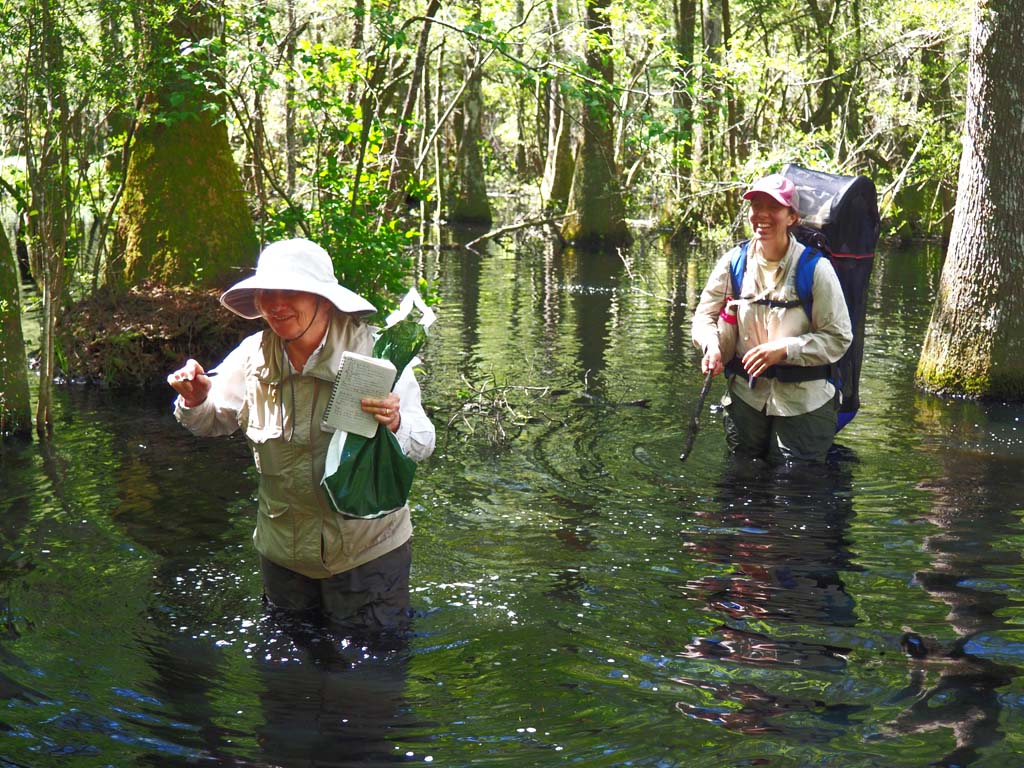
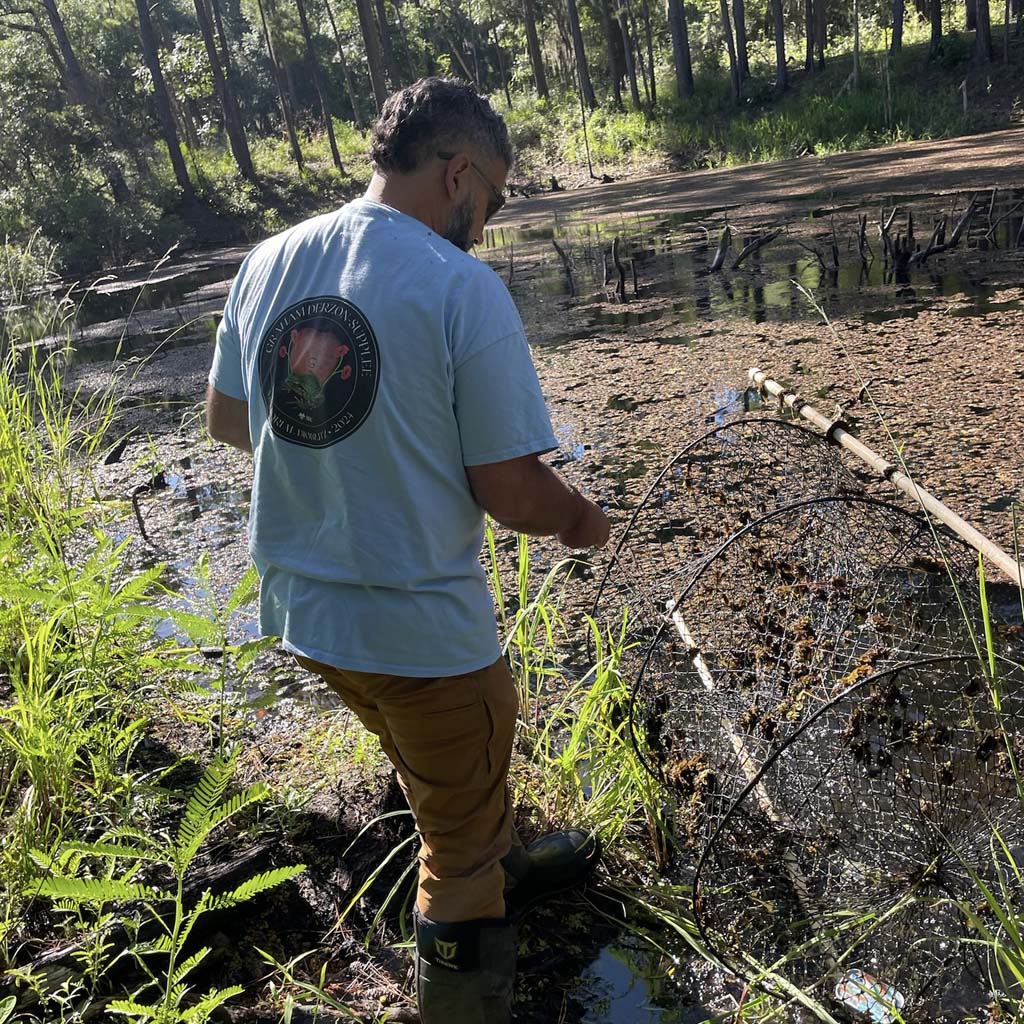
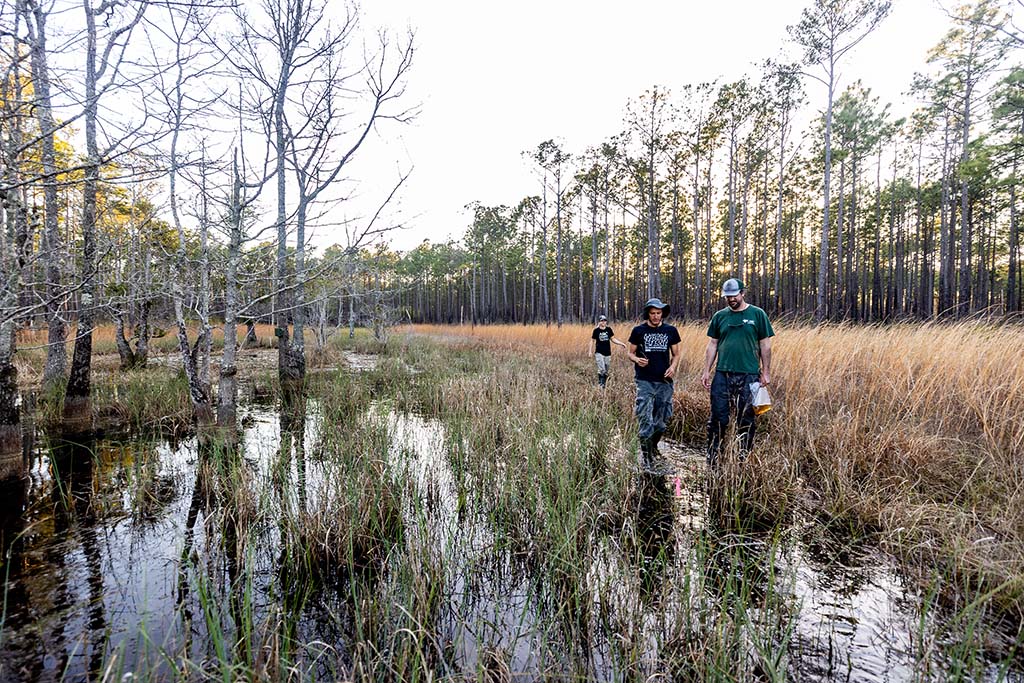
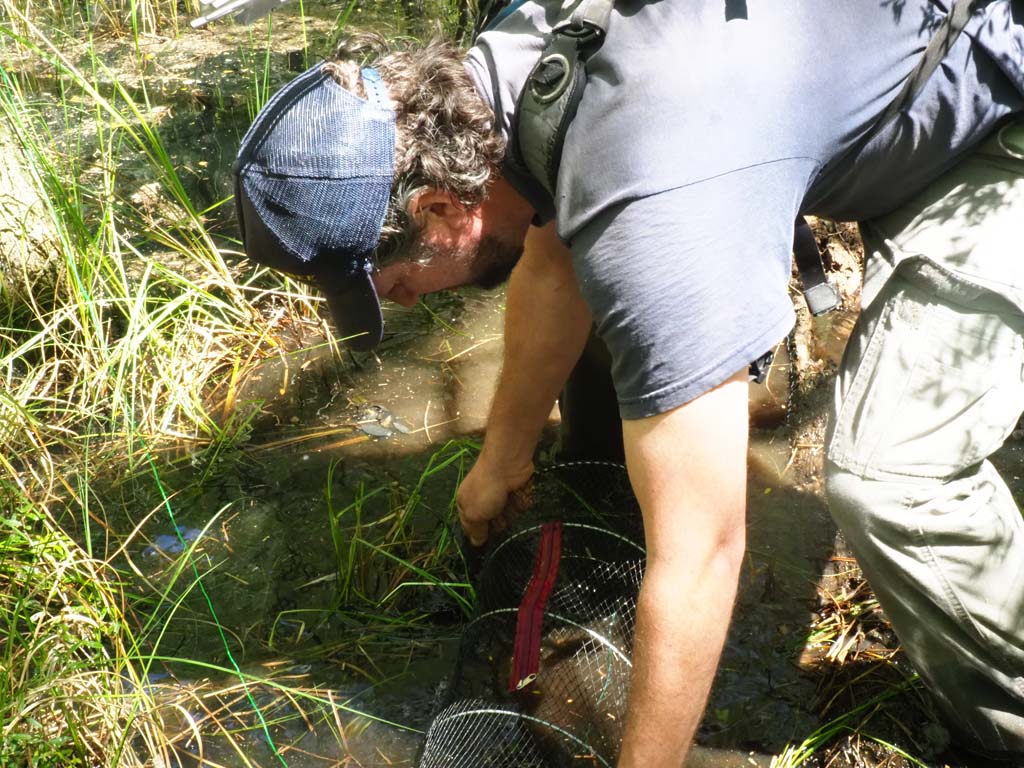
The Francis Marion PARCA, South Carolina, is just one place we’re applying the 3Rs framework on the ground. Here, our team wades into wetlands to survey for spotted turtles. Hoop nets are set in the shallows and baited with lures like wet cat food. The turtles swim through funnel-shaped openings but can’t escape.
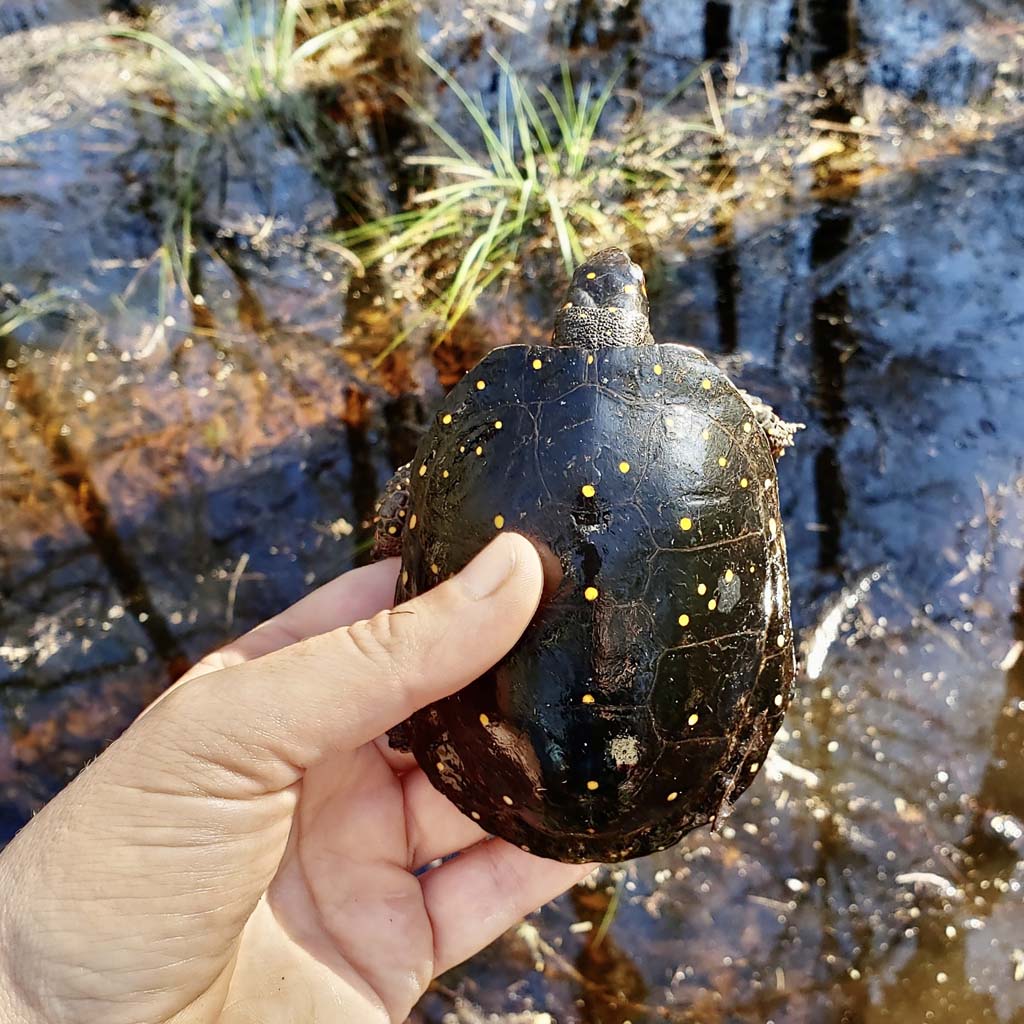
When one is caught, its dark shell flecked with yellow and orange markings is carefully examined. Each turtle is measured, marked, and sometimes fitted with a radio transmitter before being released back into the wetland.
Collecting these kinds of data is essential because declines can be easily missed. “Even species that seem common can decline quickly, oftentimes unnoticed,” explained Brooke Talley, ARC’s Turtle Conservation and Policy Director. “Some turtles are disappearing from wetlands before most people even realize there’s a problem.”
And while declines can go unnoticed, the recently announced “not warranted” finding for the spotted turtle’s proposed ESA listing underscored the need for proactive conservation.
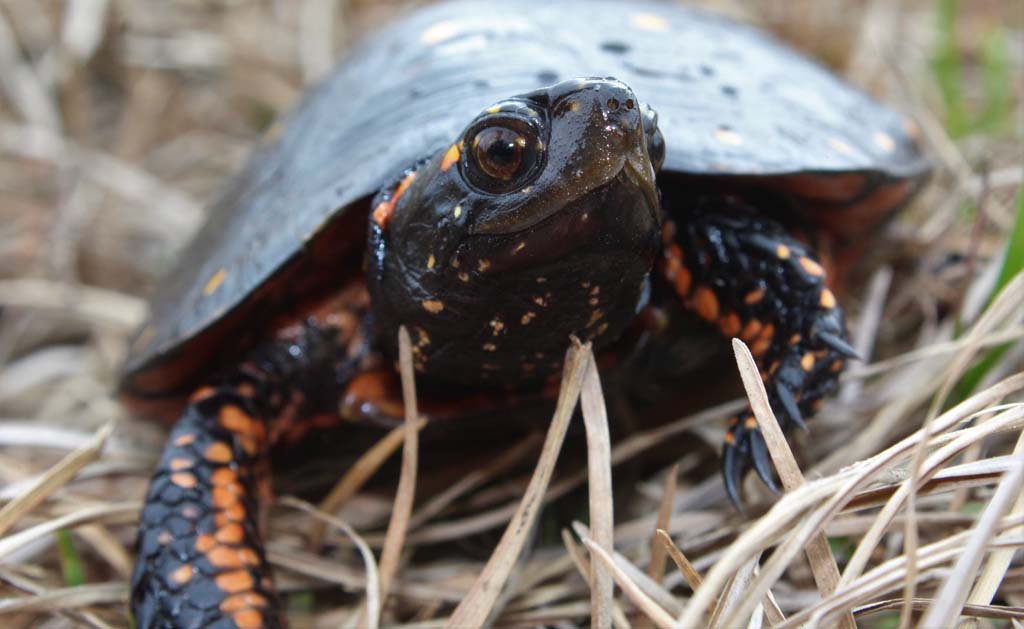
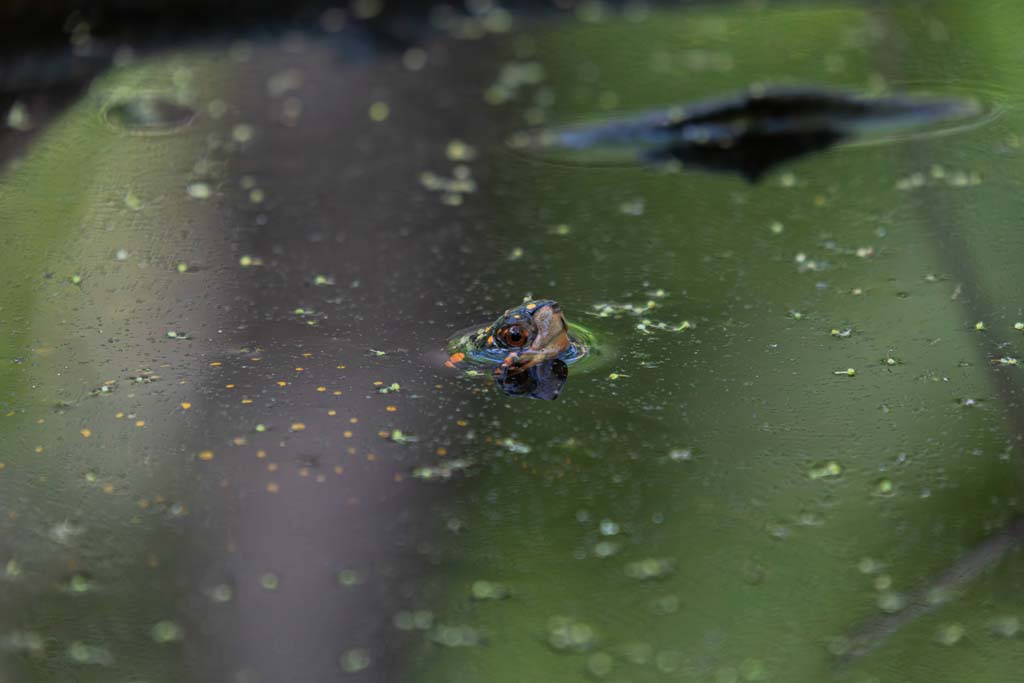
For us, the decision highlights how much work remains to safeguard the species. “Although some populations appear stable, many are understudied or declining,” said Brooke. “We’ve also documented recent activity in illegal collection of wild spotted turtles. Even where collection is prohibited, people are still taking them to feed demand for the illegal turtle trade. Ensuring the species has the proper habitat to thrive is critical to helping populations remain resilient to these threats.”
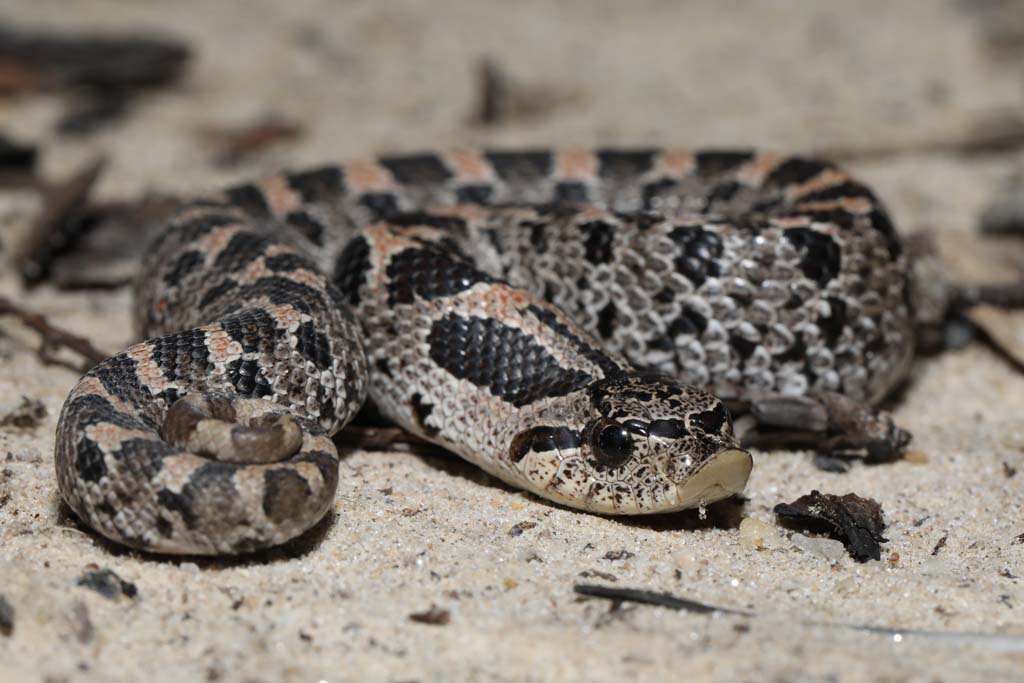
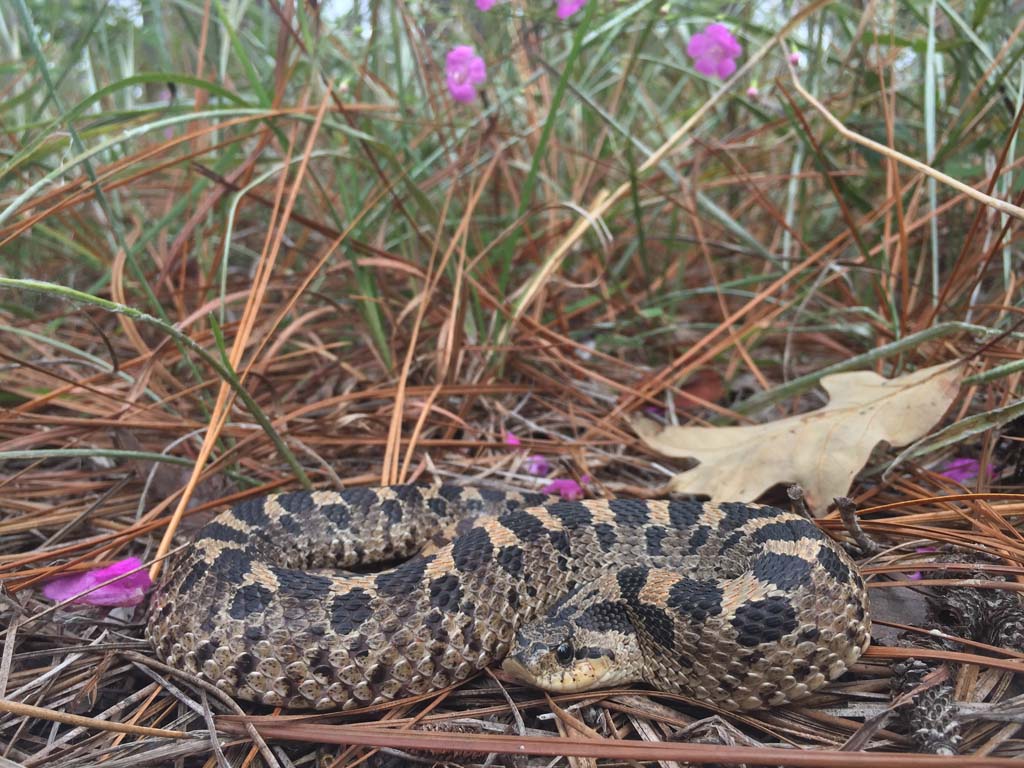
Meanwhile, the southern hognose snake was recently proposed for listing under the ESA as Threatened. Rather than wait for this decision, we’ve chosen to employ the 3Rs now, recognizing that timely conservation will give the species its best chance.
This small, secretive snake has declined in some areas and disappeared from other parts of its historic range and now relies on the few remaining patches of longleaf pine and sandhills ecosystems. Longleaf pine savannas, maintained historically by fire, have dwindled to less than three percent of their former extent. Road mortality, invasive species, and habitat fragmentation are compounding threats, creating more challenges for this at-risk species.
The hognose also proves even trickier to study than the spotted turtle. These underground dwellers live mostly hidden from view, making population trends difficult to detect. We conduct surveys to collect movement and habitat data, often relying on indirect clues from burrow sites and the occasional sighting.
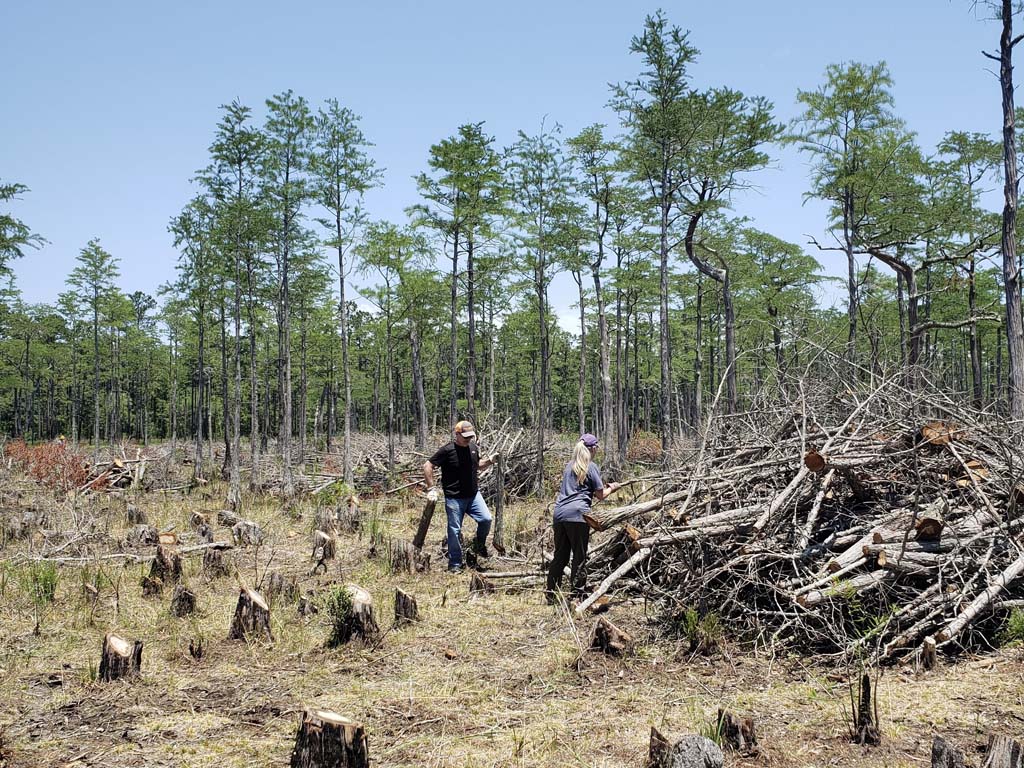
While challenging to collect, this information is critical for implementing conservation actions and securing their future. That’s exactly what we’re doing here. These data help us understand what these species need and inform our work to provide it: removing invasive plants, reconnecting wetlands, working with partners to restore historic fire regimes, and more.
A Changing Legal Landscape
These two recent ESA developments come at a time when the Act itself is being reconsidered. A federal rule proposed earlier this year would narrow the definition of “harm” so that habitat loss would no longer qualify as a violation of the ESA.
If finalized, this change would put already vulnerable species at even greater risk as their habitats disappear. In the absence of stronger safeguards, the decision of whether to protect habitats and populations shifts more heavily to on-the-ground conservation work, like the efforts taking place in PARCAs every day.
A Story of Proactive Action
It’s a straightforward but powerful story: conservation is most effective when we act before costly, last-ditch interventions are needed. The southern hognose snake and spotted turtle remind us that waiting carries real risks, while acting early builds resilience.
The federal decision not to list the spotted turtle shows why relying solely on regulatory protections is insufficient. It illustrates Schwartz et al.’s (2025) point that proactive, science-based conservation outside of crisis-driven legal frameworks is critical.
“Decisions like the spotted turtle ruling highlight why proactive work is so important,” Brooke said. “We can’t wait until a species is at the point of crisis. We have to protect habitat, manage threats, and ensure populations are resilient before they become imperiled.”
As JJ added, “Regulations alone can’t recover species. It’s the combination of targeted, on-the-ground actions, science-driven strategies, and partnerships that actually builds resilient populations.”
In the end, it comes down to the choices we make. We can let species decline until recovery is nearly impossible. Or we can choose to act early, building resiliency, redundancy, and representation into a targeted strategy for their survival. ARC’s work in PARCAs across the US shows what that choice looks like.
References
Schwartz, M. W., Williamson, M. A., Apodaca, J. J., Echeverri, A., Guzman, L. M., and Kroetz, K. (2025). The Fate of Imperiled Species: Lessons from 50 Years of the US Endangered Species Act. Annual Review of Ecology, Evolution, and Systematics, 56: 10.1146.