Drought Resistant: Helping Amphibians Weather the Storm When There’s No Storm
“We’ve missed hearing our gopher frogs call,” said Sydney Sheedy, ARC Assistant Field Project Manager in the Francis Marion PARCA (Priority Amphibian and Reptile Conservation Area), South Carolina. “Even the more common frog species here have been quieter than usual. It’s just so dry.”
After the rains fall each year in the Francis Marion PARCA, our team listens for frogs calling. Typically, it signals the start of a new breeding season and a busy field season for our team here. But this year, there’s mostly silence.
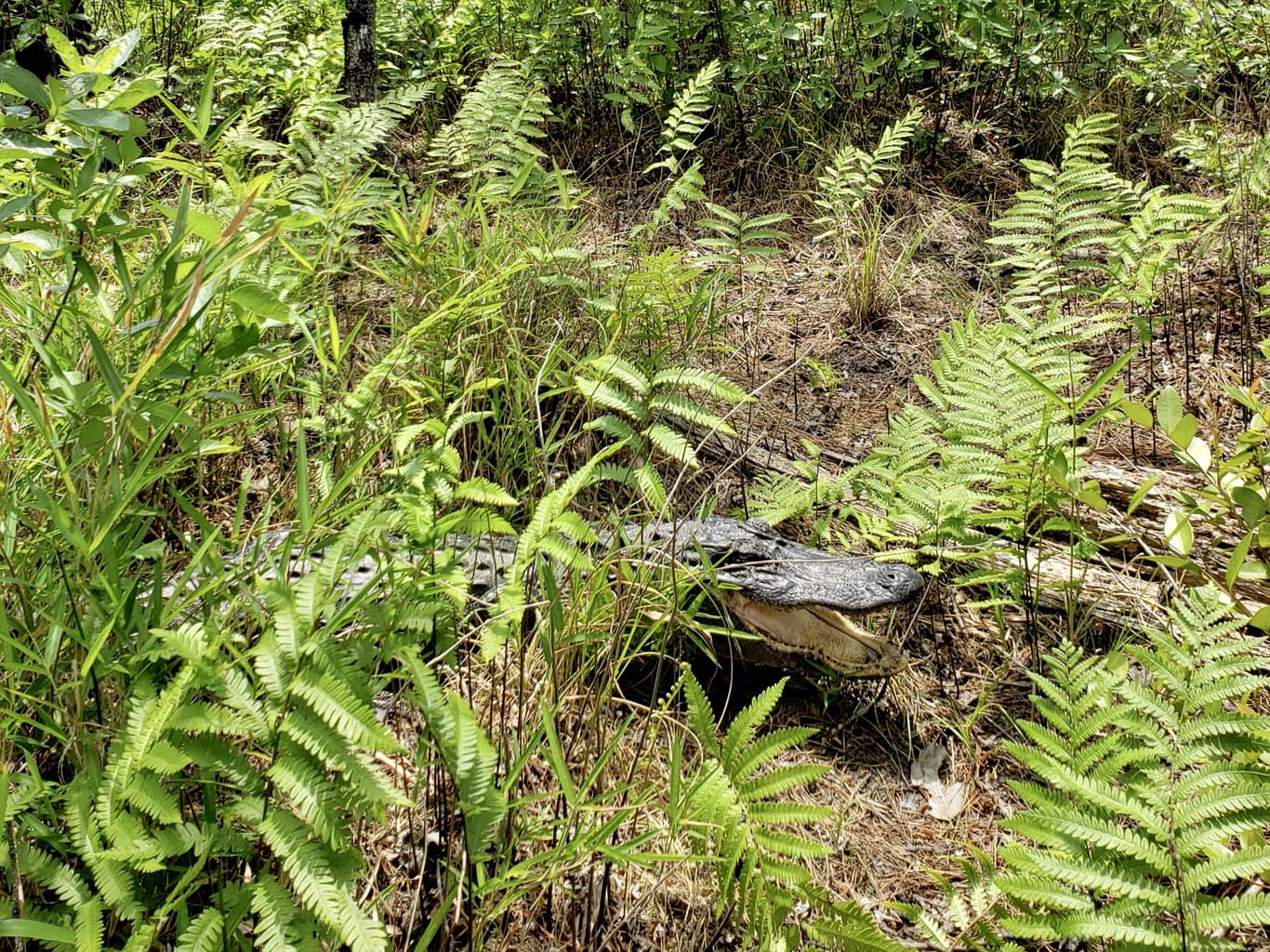
On a recent field site visit, Sheedy even saw an American alligator walking through the woods, far from any water. It was something she’d never seen before, and she speculated the gator was roaming to search for water, a sign of just how dry conditions have become.
This isn’t a one-off dry spell. It’s part of a drought that’s been unfolding across the state, most recently after flooding caused by Hurricane Helene in late 2024, but with roots going back more than a decade. Almost one million South Carolinians are currently living in drought-affected areas.
ARC Coastal Plains Program Coordinator, Ben Morrison, has seen the impact firsthand. “Both this past winter and the winter of 2018, there was not even a puddle of standing water in any of the seasonal breeding ponds used by our most critically imperiled amphibian species: gopher frogs and frosted flatwoods salamanders, the latter of which now likely no longer inhabit the PARCA,” he said.
Even in years with some rainfall, Morrison said, conditions have often been poor: “Sometimes there’s some water, but not enough to conduct efficient surveys. And certainly not ideal breeding pond conditions.” Worse still, in some seasons, larval amphibians (tadpoles and young salamanders) don’t survive when wetlands dry before they can metamorphose (change into adults).
The “Goldilocks” Frog in a Dry Landscape
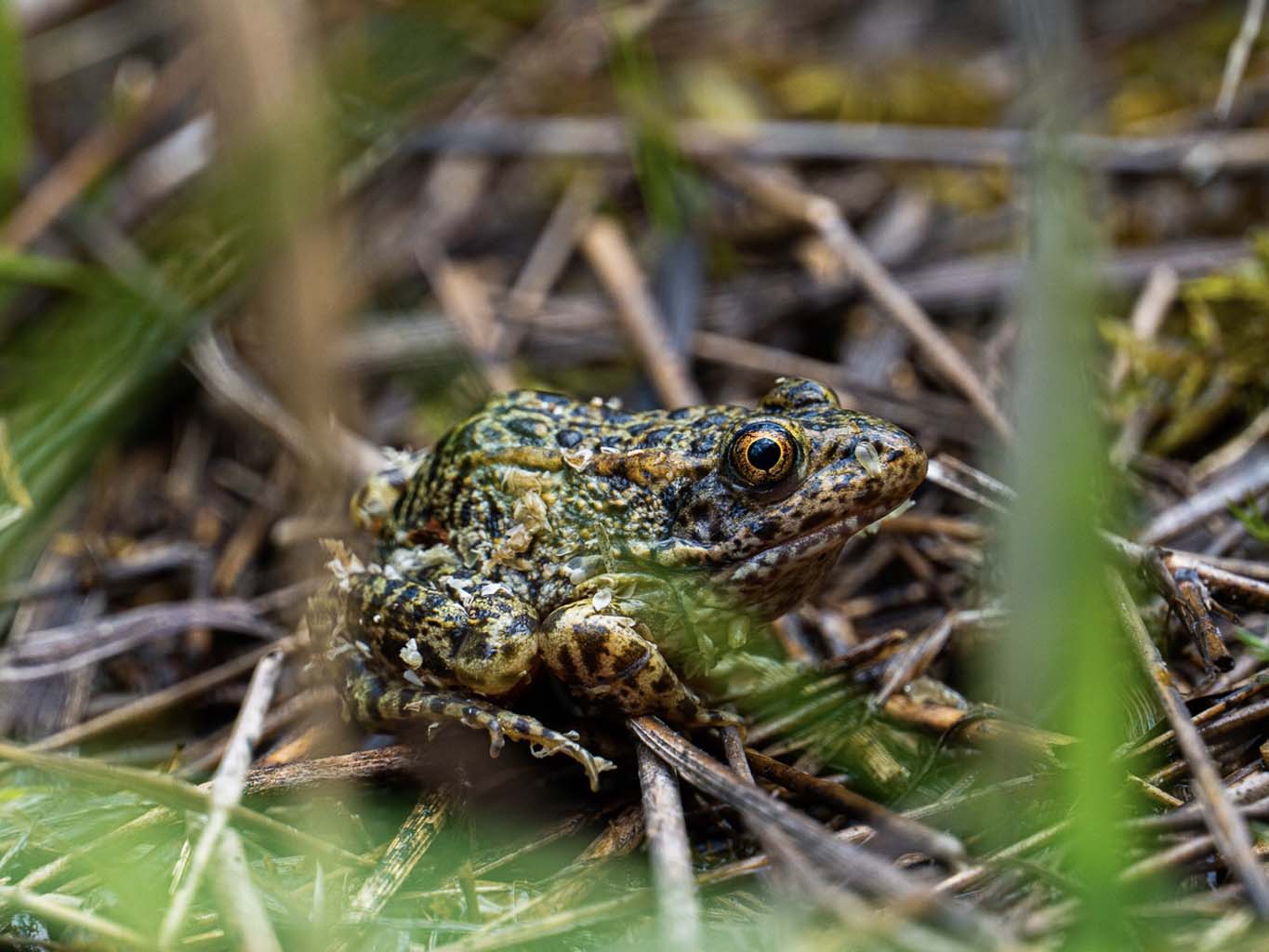
The Carolina gopher frog is especially vulnerable. It’s rare, secretive, and relies on specific habitat conditions. So much so that Francis Marion PARCA Biologists call it the “Goldilocks frog.”
“These frogs are adapted to boom-and-bust cycles,” Sheedy explained, “but it appears that ‘busts’ are becoming more frequent. Some years, like this one, there are just no eggs to collect.”
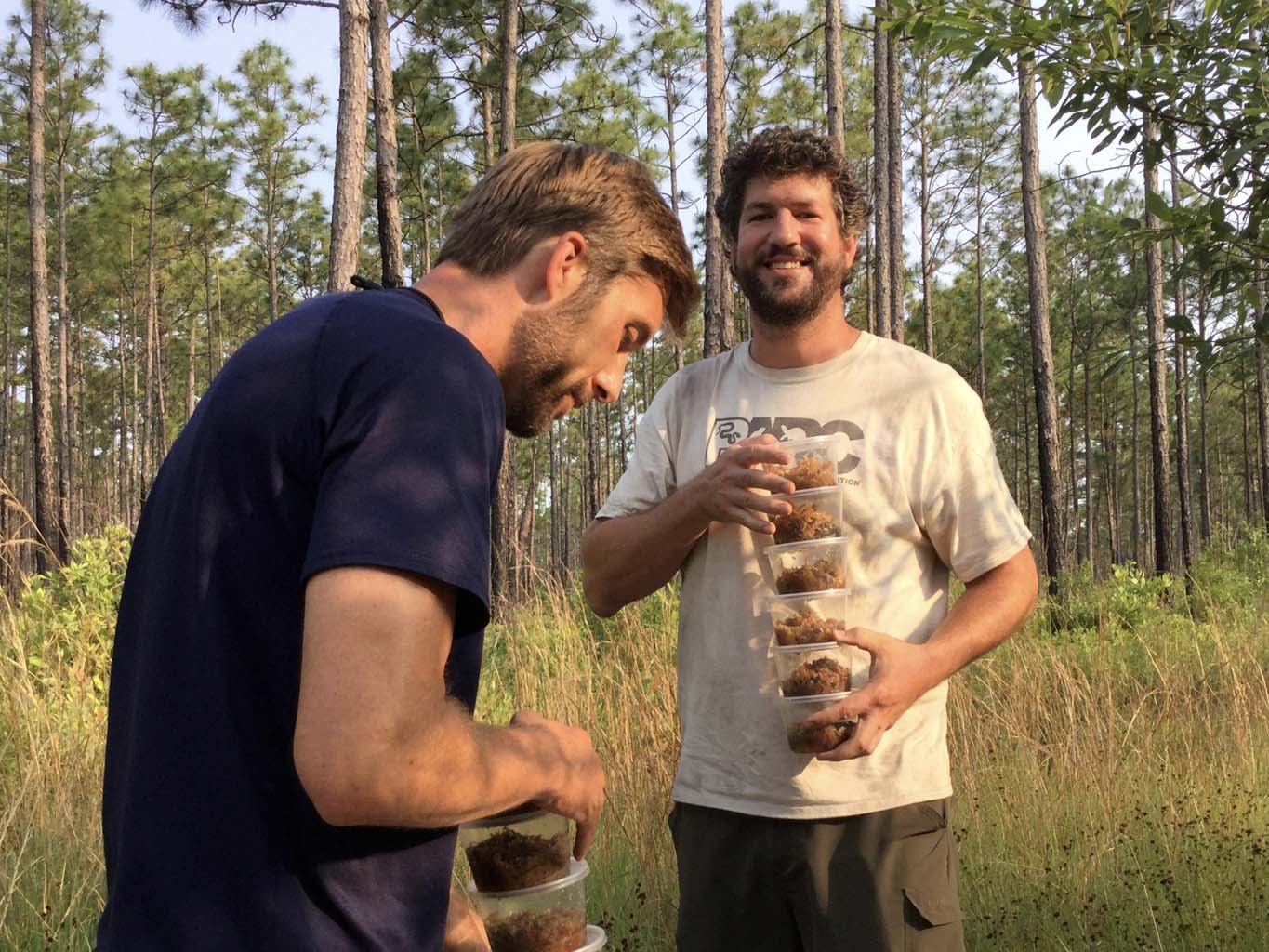
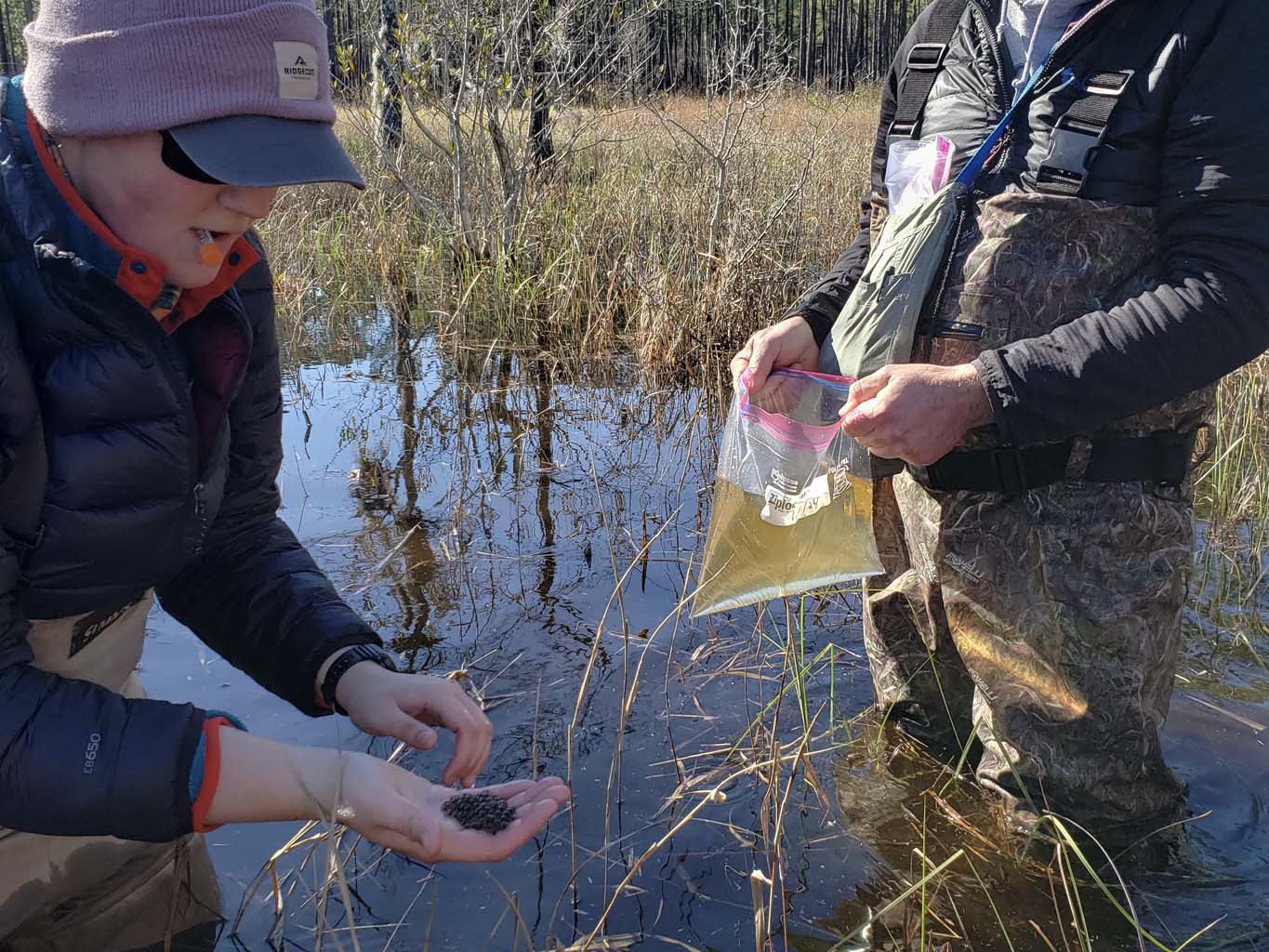
That means no headstarting here this year. Headstarting is a tactic we’ve employed for them since 2019, alongside our partners. Together, we raise gopher frog eggs in covered tanks to protect them when they’re most vulnerable, and we’ve released thousands of froglets (young frogs) into restored habitats, giving them a much higher chance of survival. But without rain to fill the ponds this year, there were no eggs to start with.
“I think historically drought alone would not have been enough to cause populations to disappear,” said Morrison. “But when combined with habitat degradation, population fragmentation, and disease, the risk becomes higher.”
It seems his concerns have, unfortunately, played out here in the past. As he explained, “The last frosted flatwoods salamanders detected in the Francis Marion were in 2010. That was followed by four straight years of winter droughts. They haven’t been found here since.”
A Nationwide Pattern
Across the country, drought is disrupting amphibian life cycles. In the PARCAs of the Southwest, desert-adapted species, like Sonoran Desert toads and Couch’s spadefoots, rely on summer monsoon rains to fill the seasonal ponds they use for breeding. These monsoons are becoming less predictable, and entire reproductive cycles are being lost.
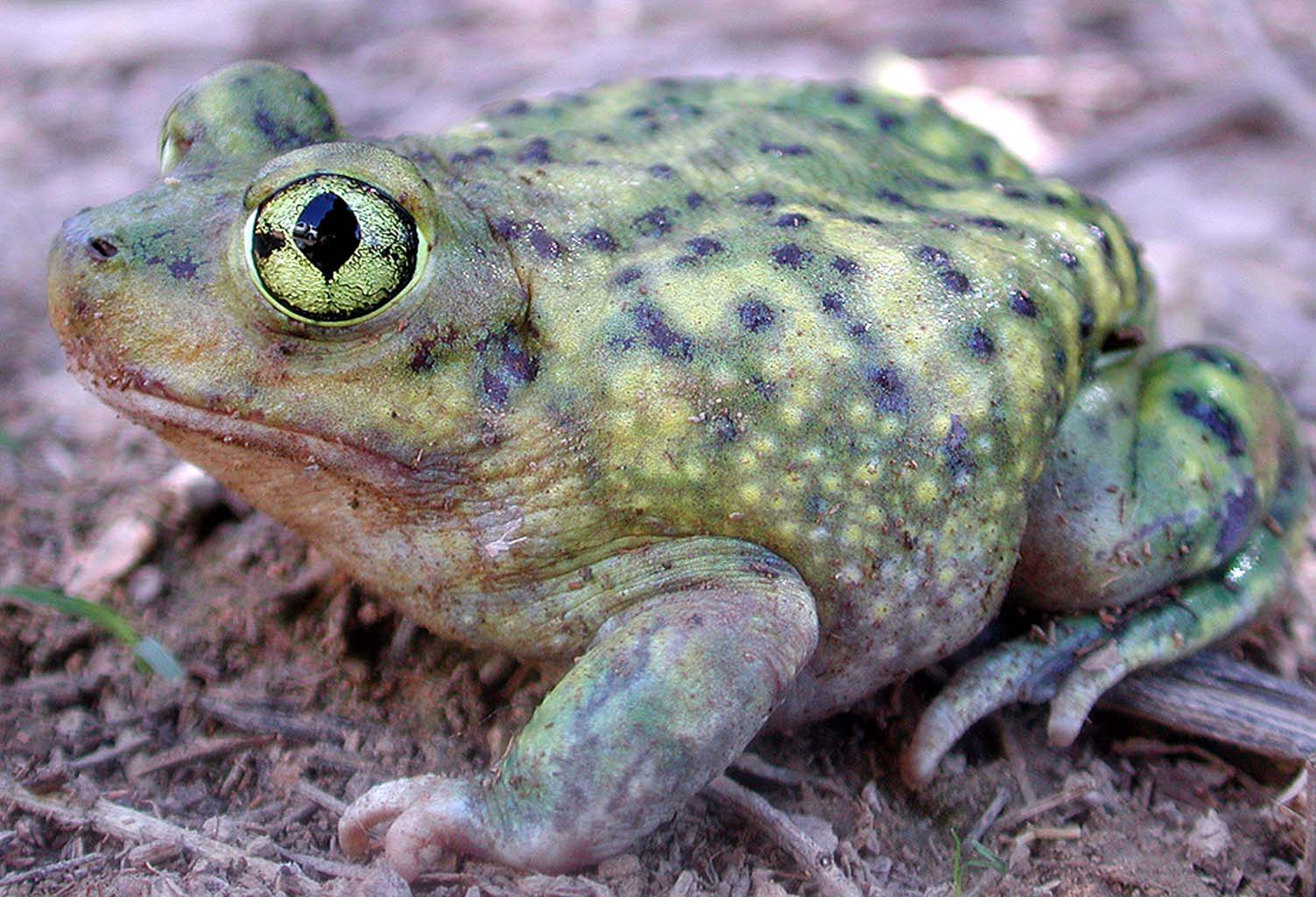
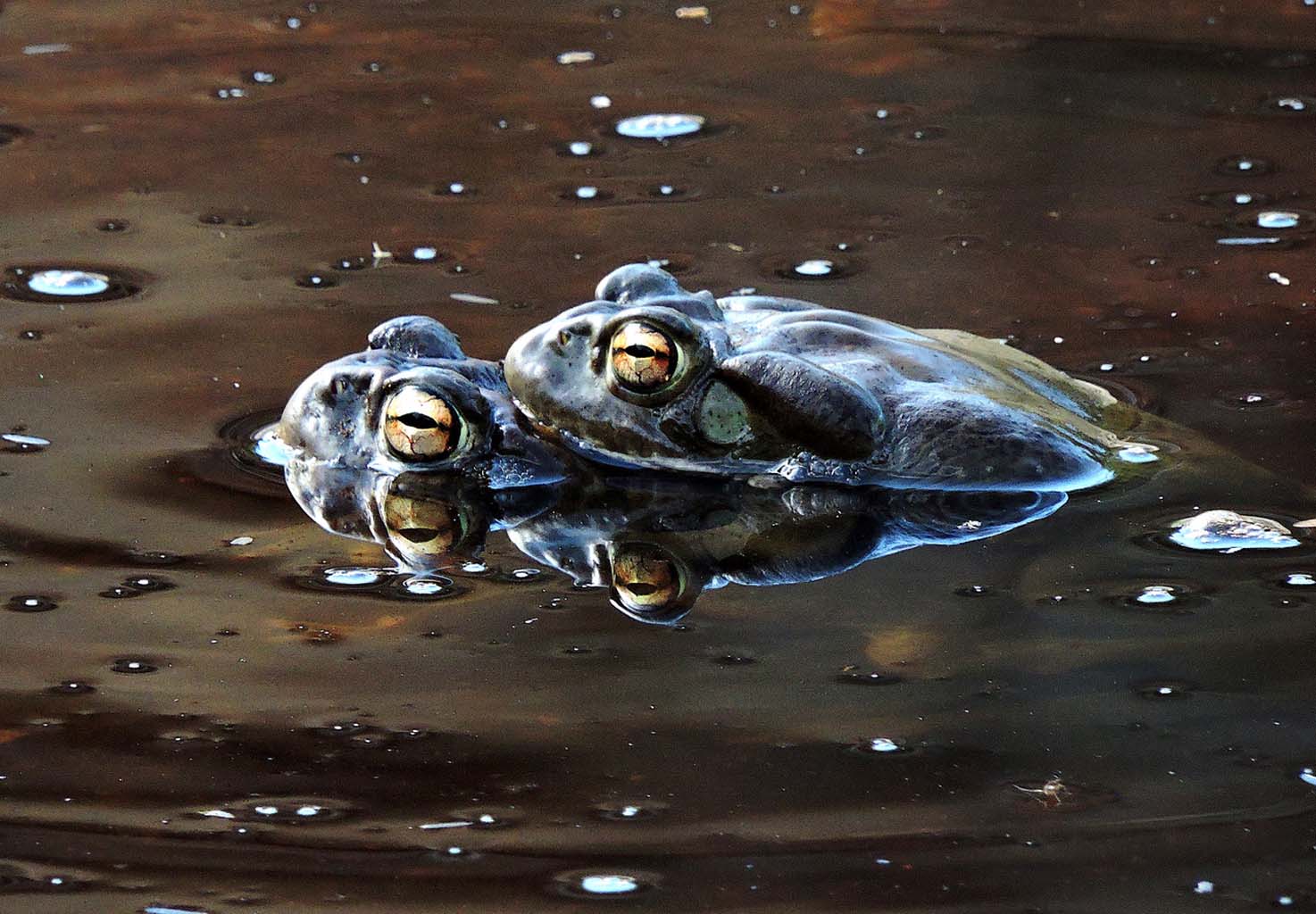
“Water is an extremely precious resource, and the weather has just not cooperated,” said ARC Southwestern Program Coordinator Becca Cozad. “I’m worried what it will mean for the amphibians that rely on water for reproduction and survival if the drought continues.”
Recent studies confirm what Field Biologists are observing. Drought is shortening breeding windows, limiting growth, and increasing disease susceptibility (Crawford et al. 2022, Luhring et al. 2022).
This combination of stressors, especially drought, habitat loss, and disease, has made amphibians the most endangered vertebrate group on Earth.
Conservation in Action, Year-Round
Even so, these animals still have a chance. “I’m hopeful because meaningful conservation action is taking place,” said Morrison. “I see how we’re making a difference, together with our partners and supporters, through wetland restoration, headstarting programs, and perhaps most importantly, passionate people who won’t give up.”
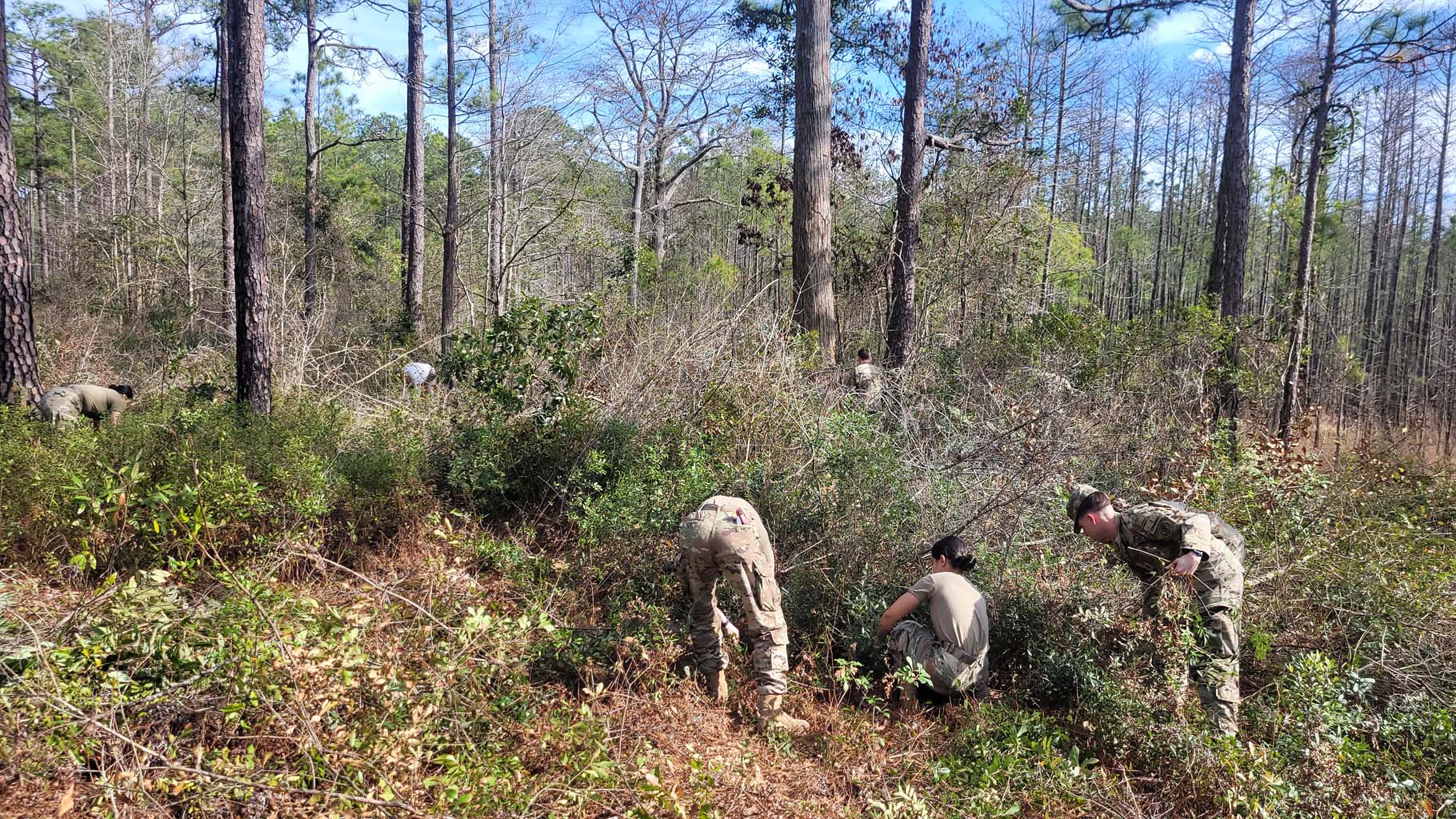
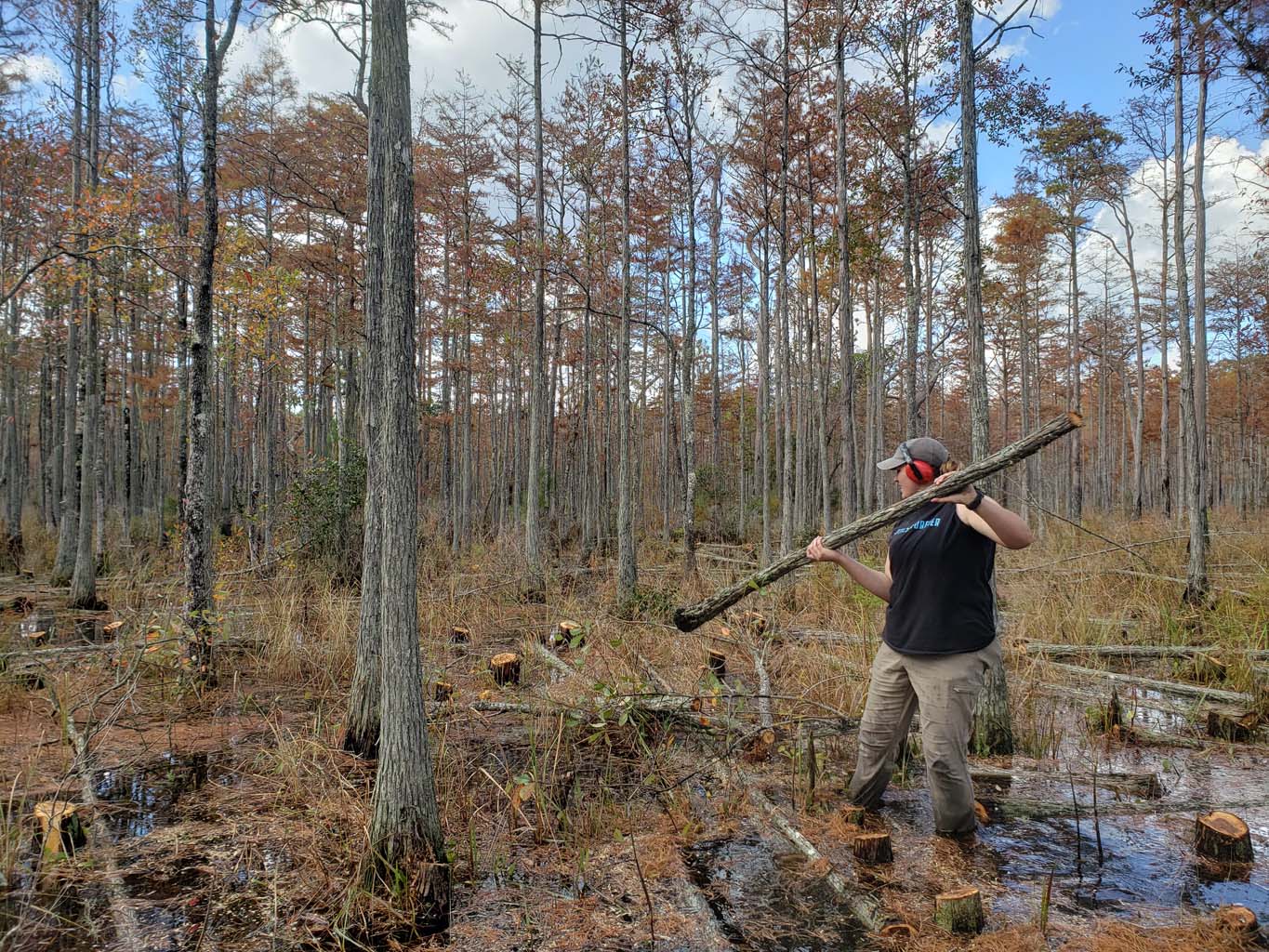
In the Francis Marion, ARC is restoring longleaf pine habitat and seasonal wetlands, installing artificial burrows to replace lost gopher tortoise tunnels, and monitoring populations using environmental DNA. These efforts build resilience in systems under increasing stress.
“We’re doing everything we can to remove barriers to survival,” Sheedy added. “Since the climate is going to keep changing, the least we can do is make sure these animals aren’t also fighting invasive species, overgrown wetlands, and fragmented habitats.”
Not Just Waiting for Rain, But Building the Future
We’re not only preparing for when the rains return but giving amphibians and reptiles their best chances for the future, no matter what. Case in point, we’ve expanded gopher frog headstarting with a new program in Georgia. Plus, every year, we’re also restoring and protecting more habitats, monitoring more sites, and carrying out more targeted conservation actions across the US. The window for saving species like the Carolina gopher frog hasn’t closed, but it is narrowing.
Morrison sums it up best: “We can’t control drought. But we can control how much habitat we restore, how many partnerships we build, and how prepared we are for headstarting when the rains finally do come back.”
And when they do, we’ll be ready.
References
Crawford, B. A., Maerz, J. C., Terrell, V. C. K., and Moore, C. T. (2022). Population viability analysis for a pond-breeding amphibian under future drought scenarios in the southeastern United States. Global Conservation and Ecology, 36(22): e02119. https://doi.org/10.1016/j.gecco.2022.e02119
Luhring, T. M., Wszola, L. S., Connette, G. M., and Schalk, C. M. (2022). Droughts Reduce Growth Rates and Increase Vulnerability to Increasingly Frequent and Severe Drying Events in an Aquatic Ectotherm. Journal of Herpetology, 56(4): 521-527. https://doi.org/10.1670/21-084