No, Geneticists Didn’t Bring Back Dire Wolves, but Genetic Techniques Can Help Save At-Risk Species
On April 7th, 2025, Colossal, a company using genetic tools to resurrect extinct species, announced they had “successfully restored a once-eradicated species through the science of de-extinction.” In other words, they claimed to have brought back a species extinct for over 10,000 years.
The announcement sparked awe, wonder, and hope in many people. But it also stirred significant criticism, especially from the conservation world.
The first concern is straightforward: resources for conservation are limited. So why invest in bringing back extinct species when many species alive today are barely hanging on? That’s a valid question, but like most things, it comes with nuance.
A second, perhaps more valid criticism, is that the announcement simply isn’t true. Colossal didn’t resurrect dire wolves. They genetically modified gray wolves to have a small number of traits that make them resemble dire wolves. It’s an incredible scientific feat but far from bringing back an extinct species.
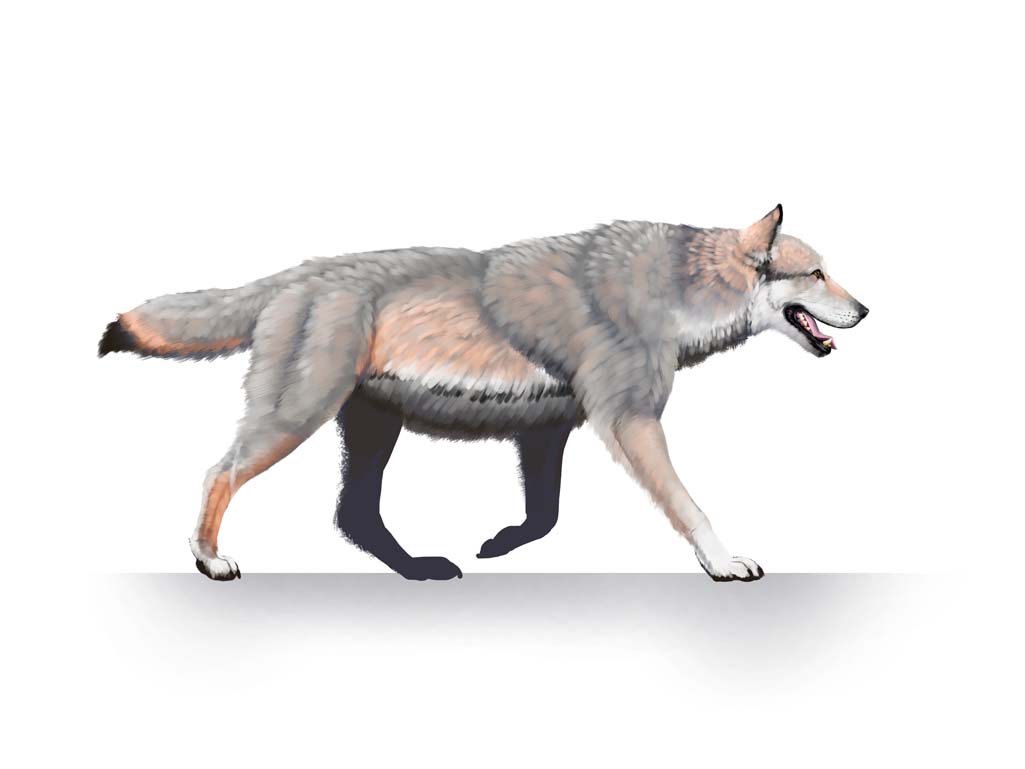
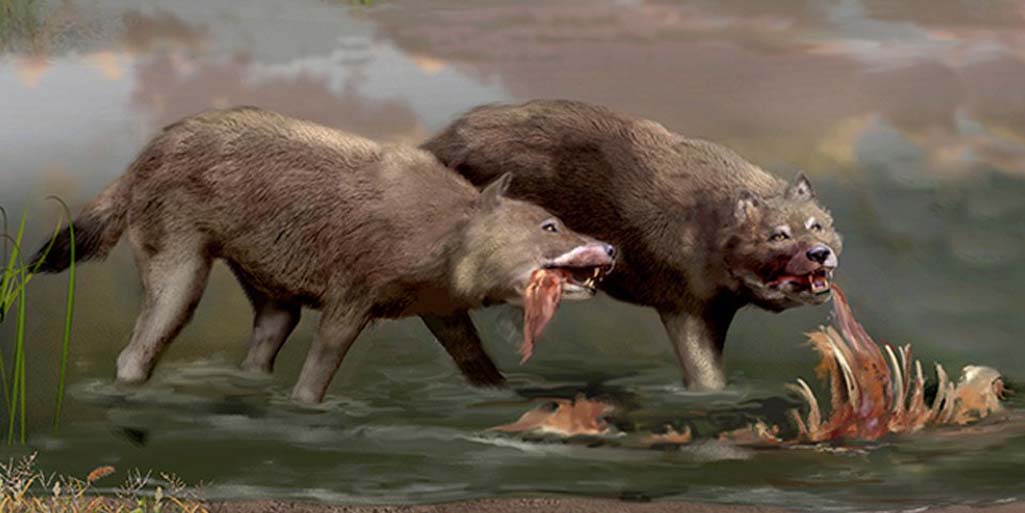
In fact, they altered roughly 1% of 1% of the wolf genome. To put it in perspective, this is like putting a tail fin and racing stripes on a minivan and calling it a racecar. Sure, it might look a little faster, but under the hood, it’s still a minivan. Another comparison: humans are about 2% Neanderthal. This doesn’t mean every time someone is born that we’ve revived Neanderthals.
Still, if we look past these criticisms, there’s real promise here. Genetic techniques could be powerful tools to help save some of today’s most endangered species.
So why focus on genetics when we need more individuals and populations to save a species? The simple answer: genetic diversity is vital for both individual health and long-term population survival.
Low genetic diversity, when individuals have two copies of the same gene (homozygosity), leads to higher rates of disease, weakened immune systems, and fewer offspring. At the species level, it reduces the ability to adapt to new threats like disease, invasive species, or climate change. So, recovery isn’t just about more animals; it’s about healthier ones with resilient genes.
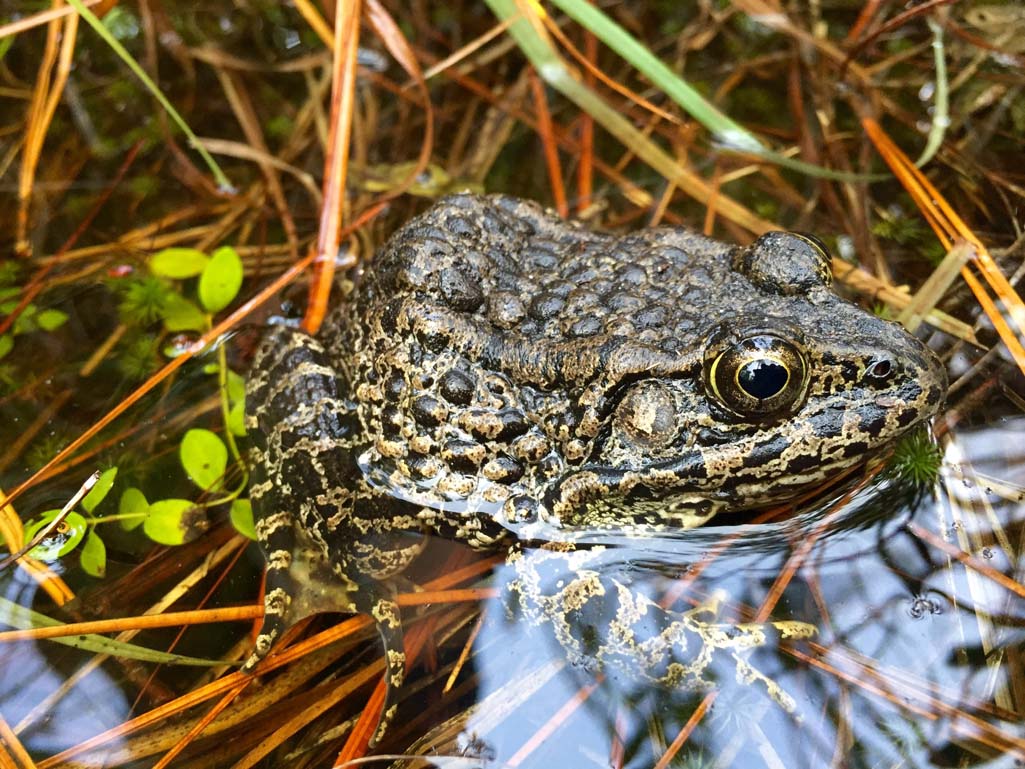
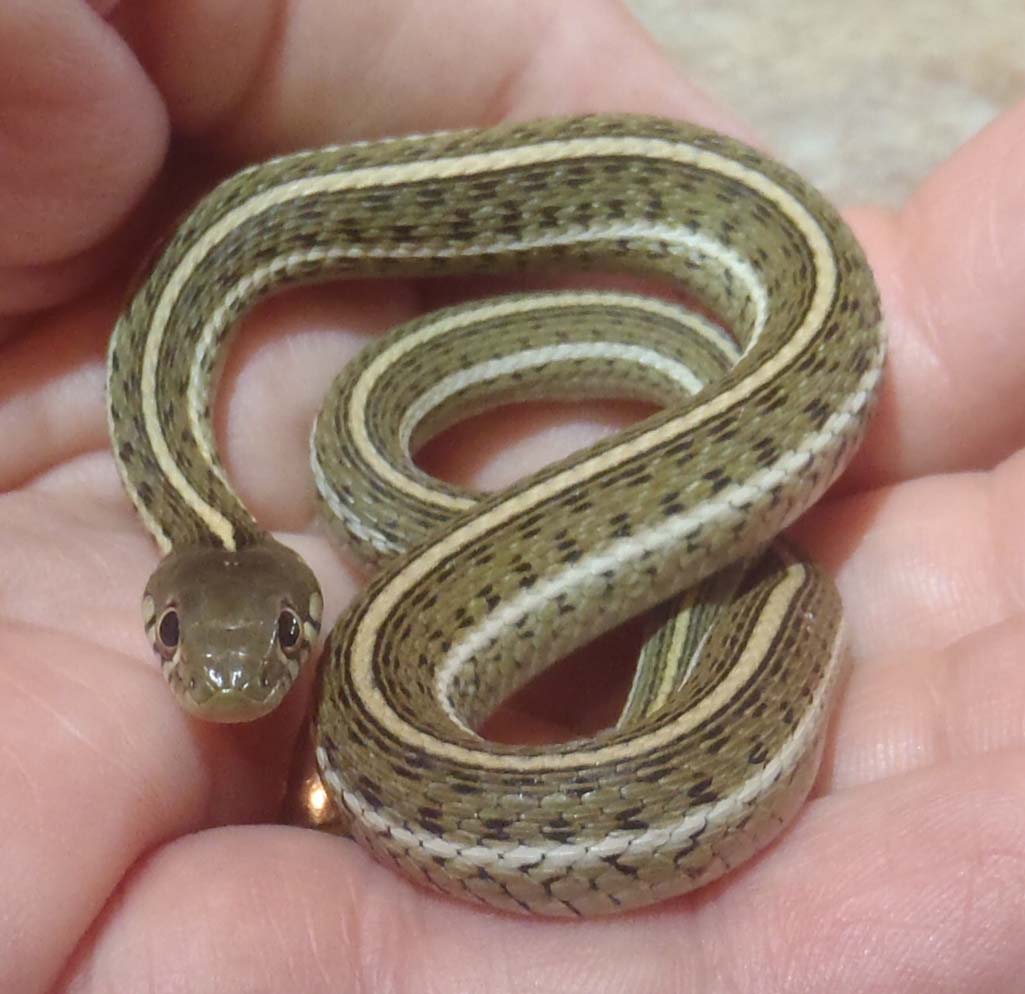
Sadly, rare and endangered species often face both low numbers and poor genetics. As populations shrink, inbreeding becomes more common, further reducing genetic diversity. And small populations lose diversity simply due to chance, a process called genetic drift.
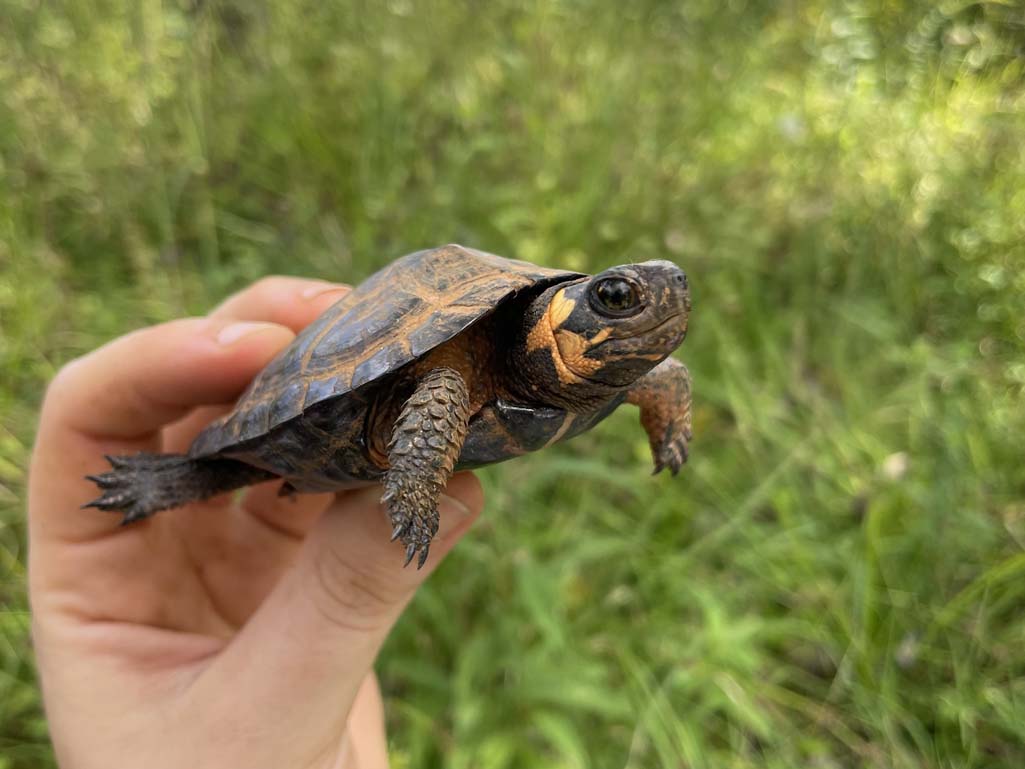
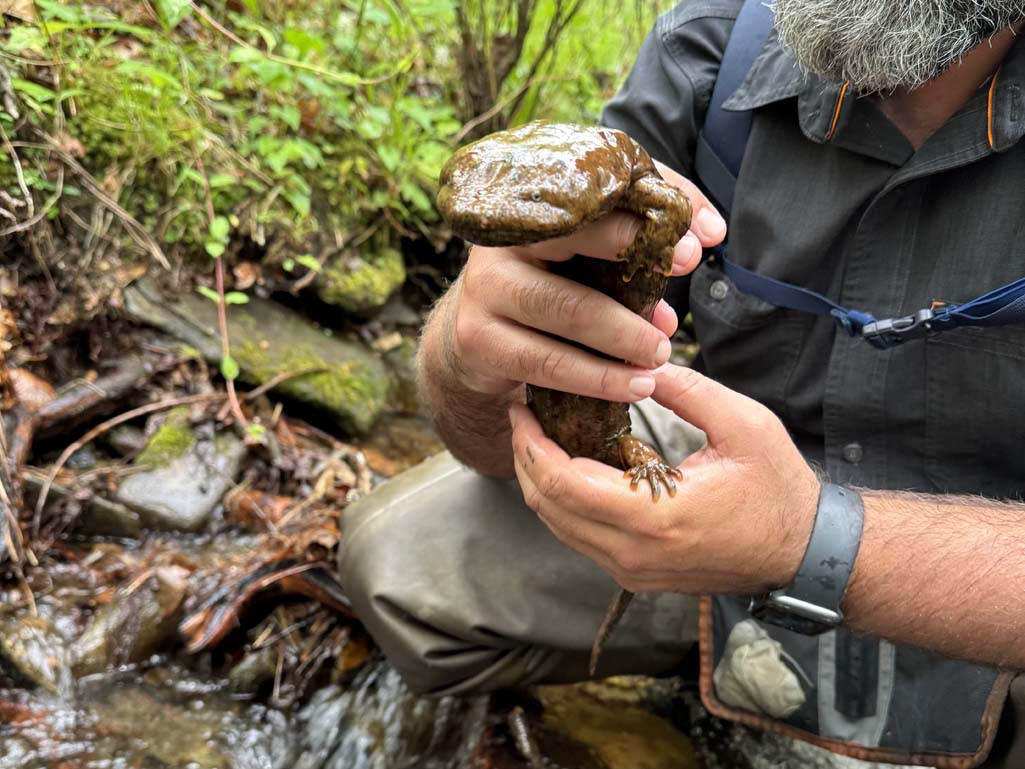
This is especially true for amphibians and reptiles, which often can’t travel far to find mates or better habitat. When we fragment the landscape, we create isolated populations that start to spiral into what’s known as the “extinction vortex,” a cycle where small populations lose genetic diversity and then are less capable of surviving and reproducing in large numbers. This, of course leads to smaller populations, then more inbreeding occurs, and so the cycle continues.
At ARC, we focus on solutions. To break the cycle of the extinction vortex, we restore habitat connectivity, build larger populations to prevent inbreeding and drift, and use genetic data to guide assisted migration across the landscape.
In short, we use every tool available to preserve the genetic diversity that remains. But what about the genetic diversity that’s already been lost?
Right now, once a species loses most of its genetic diversity, we can only manage what’s left. That might stabilize the species but it limits its recovery. This is where Colossal’s technology offers a glimpse of what could be possible.
The dire wolf project may be misguided, but it marks a significant step toward building a toolkit that could help restore native biodiversity.
Consider this: in 1900, the Wright Brothers flew the first manned glider. Just 19 years later, we crossed the Atlantic. Fifty years after that, we landed on the moon. If we want to save the world’s imperiled species, we’ll need similar leaps in genetic science.
The ultimate test of this technology will be if we are able to bring back functionally adaptable populations and species that have the genetic library to withstand current and future drivers of decline, which is a long way off. It will be when we can restore genetic diversity to individuals (heterozygosity) and populations (total genetic diversity). Importantly, once we reach that point, genetic engineering will not be a “get out of jail free” card, it will be a lifeline and a tool that will only be effective in conjunction with the techniques we are already using to recover species.
At ARC, we’ll keep working on species recovery using all available methods, rather than waiting to win the genetic lottery.