A Message from Our Executive Director
Our nation’s landscapes are changing, and the future of imperiled amphibians and reptiles hangs in the balance. These species are disappearing at an alarming rate. Amphibians in the US are declining by 4% annually, and worldwide, 40% of amphibians and one-fifth of reptiles are at risk of extinction. The loss of these animals is not just of concern to science; it threatens the stability of the ecosystems we need and, with them, our natural heritage.
Amphibians and reptiles are critical in maintaining the ecosystems and environments that sustain us. From aiding in nutrient cycling to keeping pest populations in check, they’re the linchpin of our natural systems. They contribute greatly to human well-being, advancing medical research and ensuring the health of our forests, wetlands, and grasslands. They also provide us with a sense of wonder and an accessible way for our communities to connect with nature.
Amphibian and Reptile Conservancy (ARC) is committed to safeguarding these vital species, the habitats they depend on, and the ecosystems that depend on them. Our approach is strategic, grounded in science, and focused on the places that matter most. We’ve identified more than 300 locations that serve as strongholds for the most vulnerable species, which are called PARCAs, or Priority Amphibian and Reptile Conservation Areas. By concentrating our efforts in PARCAs, we maximize our impact, helping to ensure that these animals, their habitats, and indeed the ecosystems they are a part of remain protected for generations to come.
The work we do is scientific and strategic. We begin by identifying where these species are, understanding their populations, and investigating the threats they face. From there, we take action: restoring wetlands in New Mexico’s Gila PARCA to safeguard the Chiricahua leopard frog, improving water quality in Alabama’s Bankhead PARCA to protect the flattened musk turtle, and removing invasive species that wreak havoc in ecosystems nationwide, just to name a few. Every conservation plan is unique to the PARCA and designed for the long term, helping to ensure these landscapes can continue to support the wildlife that inhabit them.
But conservation does not happen in isolation. It’s a shared responsibility. The future of these species depends not only on the actions of organizations like ARC but also on the commitment of individuals who care deeply about conserving our natural world. Your support—whether through advocacy, donations, or active participation—ensures we can continue this essential work.
By standing with ARC, you’re helping protect often overlooked species, the resilience of our ecosystems, and our nation’s natural heritage. Together, we’re ensuring that the amphibians and reptiles that have existed for millions of years will not disappear on our watch.
Thank you for being a part of this vital mission.
With gratitude,
JJ Apodaca
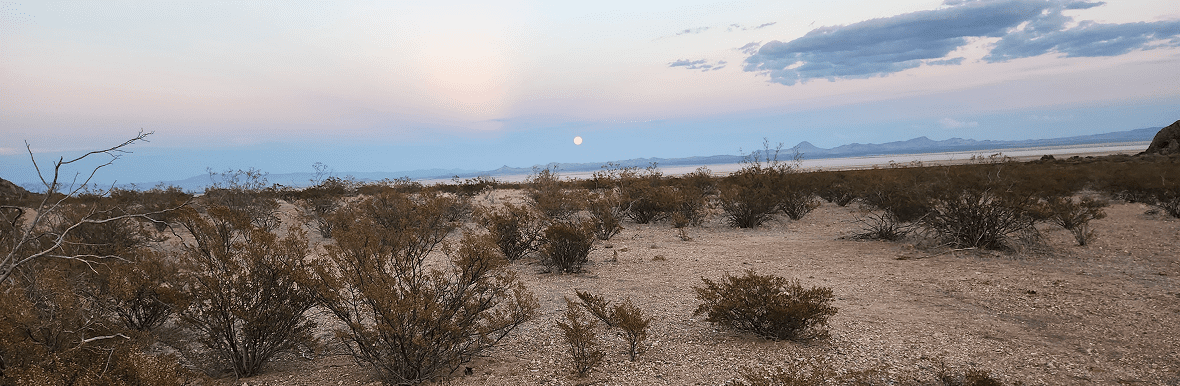
Table of Contents
Protecting What Matters Most in PARCAs
© Maya Morales
Certain places in the US are especially important for protecting amphibians and reptiles. Your support enables us to identify these key locations, called PARCAs (Priority Amphibian and Reptile Conservation Areas), through a rigorous process that combines scientific data and local expertise to pinpoint where conservation efforts will have the greatest impact. This place-based approach allows us to work towards the restoration of entire ecosystems, which benefits all biodiversity and local human communities.
From the Southern Appalachians to the deserts of the Southwest, each PARCA represents a stronghold for species facing threats like habitat loss, disease, and invasive species. We’re actively working in dozens of these PARCAs, bringing people together to restore habitats, study populations, bolster at-risk populations, and address the root causes of declines.
322
PARCAs identified across the US
9
PARCAs added in 2024
22
PARCAs with boots on the ground in 2024
14
US states with active projects in 2024
1,077
Sites visited in PARCAs in 2024
12,067
Surveys conducted in PARCAs in 2024
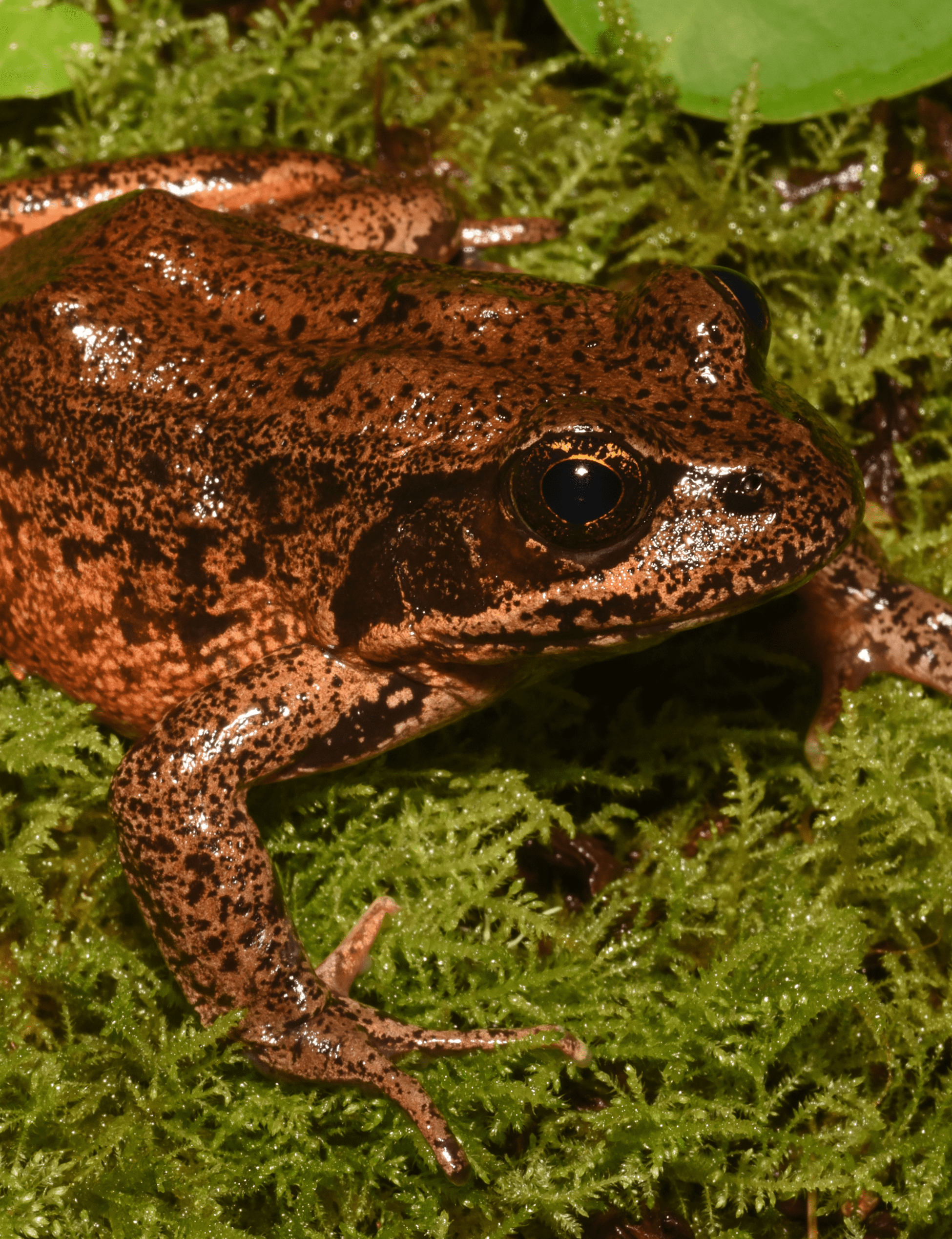
The way we protect biodiversity in every PARCA looks different. In some PARCAs, we have years of data pointing to the most effective targeted actions for imperiled species, and we’re already implementing them to make a difference. In other PARCAs, we’re investigating basic information to inform our efforts, like where species are on the landscape and how many there are. In many cases, we’re doing both. Take a look at how conservation plans were carried out in several of our PARCAs across the US in 2024.
2024 Conservation Plans by PARCA
No Data Found
In South Carolina’s Lowcountry, a remarkable change is underway—one froglet, one snake hatchling, one fire-restored habitat at a time.
The Francis Marion PARCA (Priority Amphibian and Reptile Conservation Area), just outside Charleston, was once an idyllic landscape of incredible longleaf pine savannas, flower-ringed marshes, and vital temporary wetlands that supported some of the Southeast’s rarest amphibians and reptiles. But now, many of these ecosystems and species are on the brink.
In the Francis Marion PARCA, we’re leading an ambitious, collaborative program to protect biodiversity not in pieces, but as a whole. The work here isn’t just about animals. It’s about safeguarding the whole system that supports them, and us.
Take the Carolina gopher frog. With only a handful of breeding populations left in the forest, these elusive frogs were nearly lost in South Carolina. To change that, alongside our partners, we launched a headstarting program in 2019. Each year, we collect egg masses from the wild, raise tadpoles in captivity until they become larger and more resilient froglets, and then return them to restored ponds. We released more than 1,300 back into the wild in 2024.
On the forest floor and underground, we’re tracking the secretive northern pinesnake. This stunning but rarely seen species is hard to study, but thanks to years of work that we ramped up in 2024—radio tracking, mark-recapture, and remote cameras—we more comprehensively understand its needs so that we can best protect it. Last summer, we even caught a rare occurrence on camera: a nest of hatchlings emerging from their burrow.
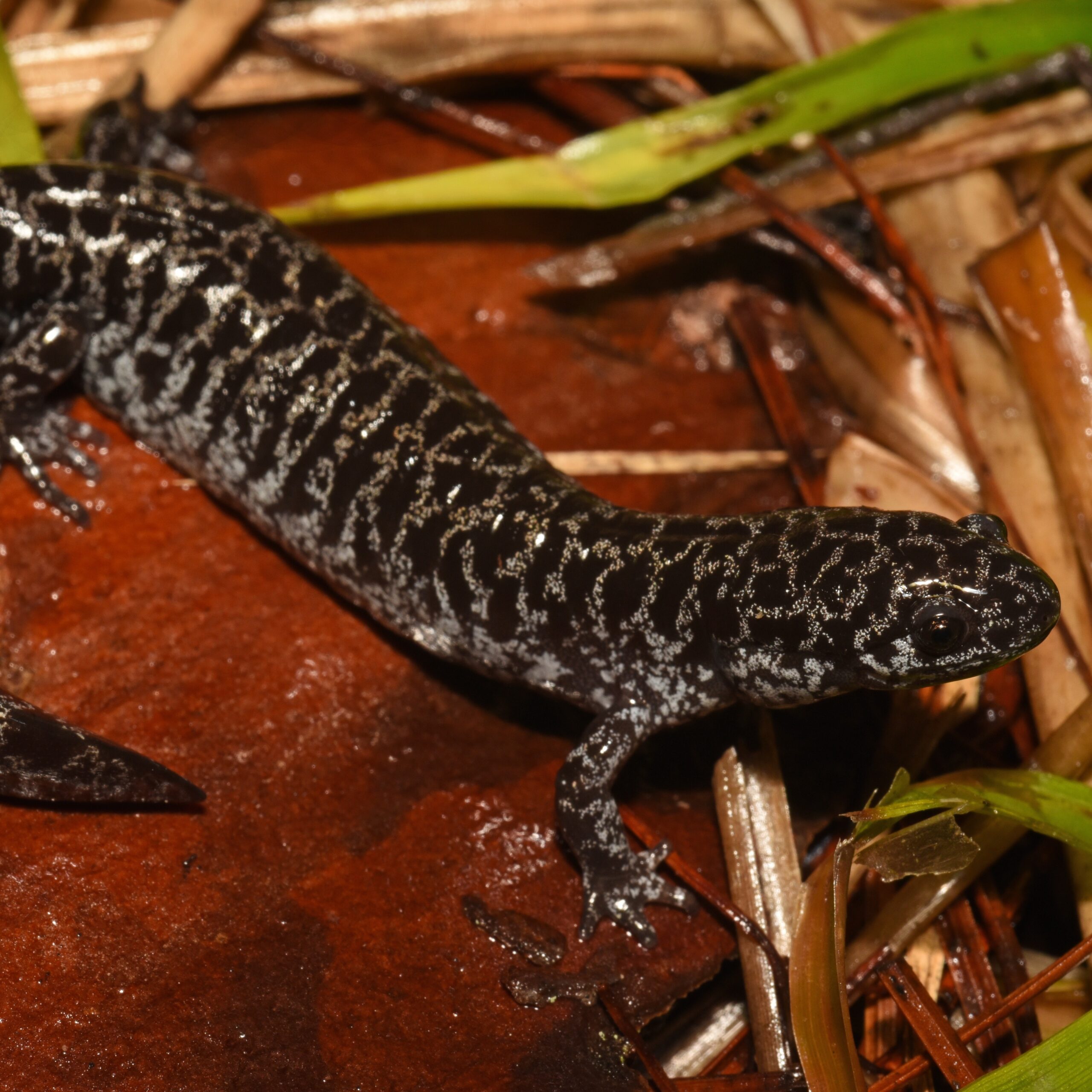
We’re preparing for the hopeful return of the frosted flatwoods salamander, one of the most at-risk salamanders in the nation that’s likely disappeared from this landscape but not from our plans. By removing invasive plants and working with partners to reintroduce fire, we’re restoring its vanished habitats. Plus, we’re using cutting-edge tools like eDNA to scour these forests and wetlands for any remaining individuals that may have been overlooked. In all these ways, we’re laying the foundation for its comeback.
And there’s more: spotted turtles with speckled shells, threatened by habitat loss and illegal collection. Southern hognose snakes and eastern kingsnakes, now rarely spotted. Eastern chicken turtles, ornate chorus frogs, and many more species are all monitored. In fact, we observed more than 500 amphibians and reptiles here in 2024.
These efforts showcase what makes the PARCA approach powerful. It’s not just about saving species. It’s about restoring systems. Because when we protect these species and revive ecosystems, we’re also safeguarding the water quality, ecosystem health, and beauty of the wild places we all depend on.
The funding that supports this work is just as multi-faceted, coming together from a variety of sources that include individuals, local partners like the Gaylord and Dorothy Donnelley Foundation and the Joanna Foundation, the National Fish and Wildlife Foundation, and federal agencies like the US Fish and Wildlife Service and US Forest Service. We’re grateful to all of you for making this work possible.
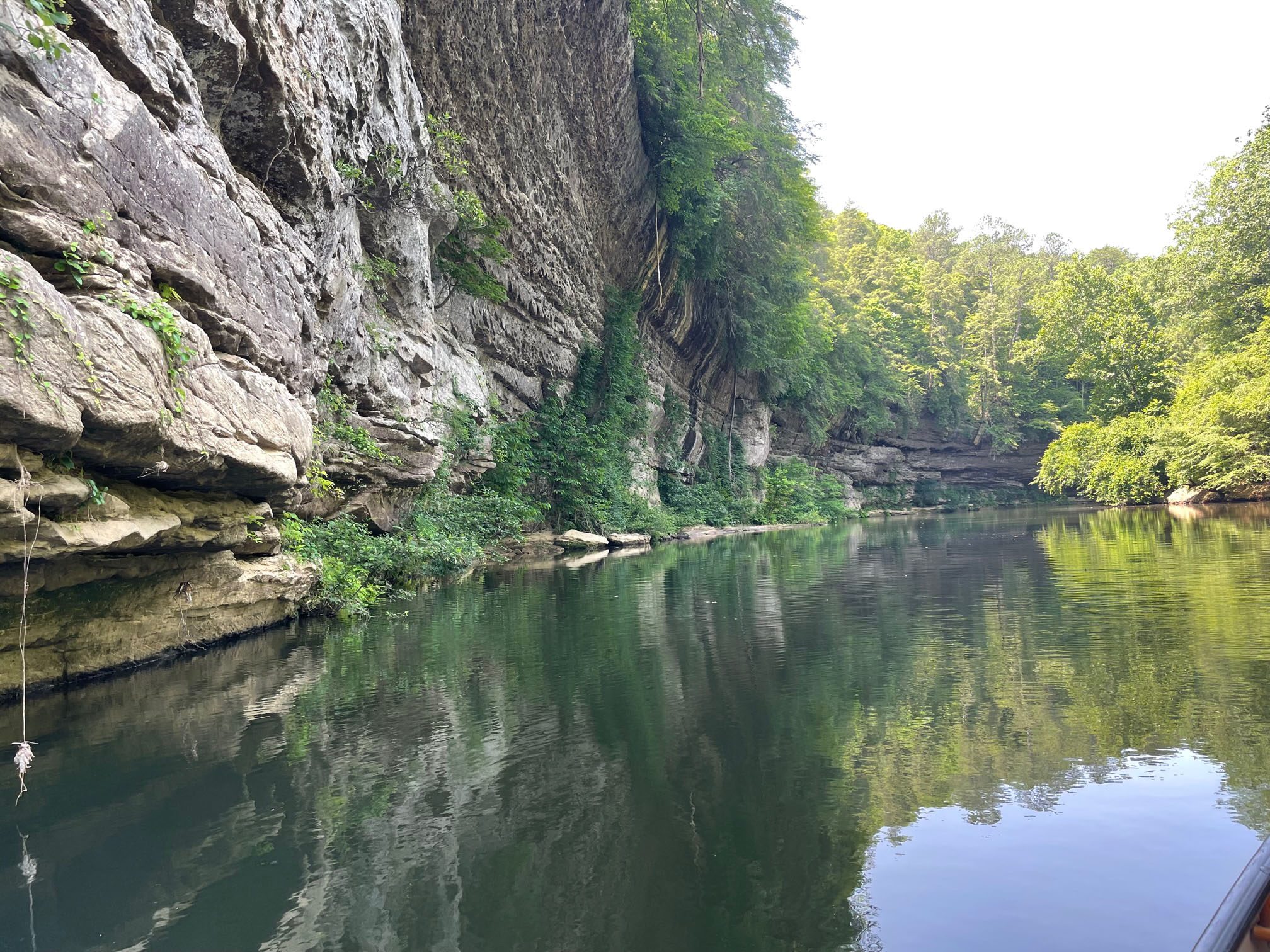
“It’s really rewarding working on the PARCA model because I know we’re making a real difference for underdog species in the most strategic and effective way. With widespread amphibian and reptile declines, the PARCA approach gives us a collaboratively developed tool to identify and work in the highest impact areas to stop and reverse those declines. The broad buy-in we’ve received from other organizations, universities, and agencies has led to so much incredible work on sensitive and disappearing habitats. But one of the most exciting parts is that because we are focusing on the entire ecosystem and restoring vital habitat, it dovetails with the conservation needs of other at-risk groups like plants, fish, bats, and birds.”
-José Garrido, National Programs Director
Collaboration is Key
© USFS / Jestin Clark
From Florida to Utah, we supported numerous workshops and collaborative meetings in 2024 that brought together advocates, scientists, government officials, landowners, and other private citizens to plan and carry out efforts resulting in meaningful, lasting improvements for at-risk species. We also partnered with more than 50 state and federal agencies, helping ensure public investments were deployed effectively and strategically.
With a united front, we’re building a hopeful future for amphibians and reptiles nationwide—together.
121
Partners nationwide in 2024
54
Federal and state partners in 2024
67
Nonprofits, universities, and other partnerships in 2024
10
Leadership roles in nationwide conservation movements
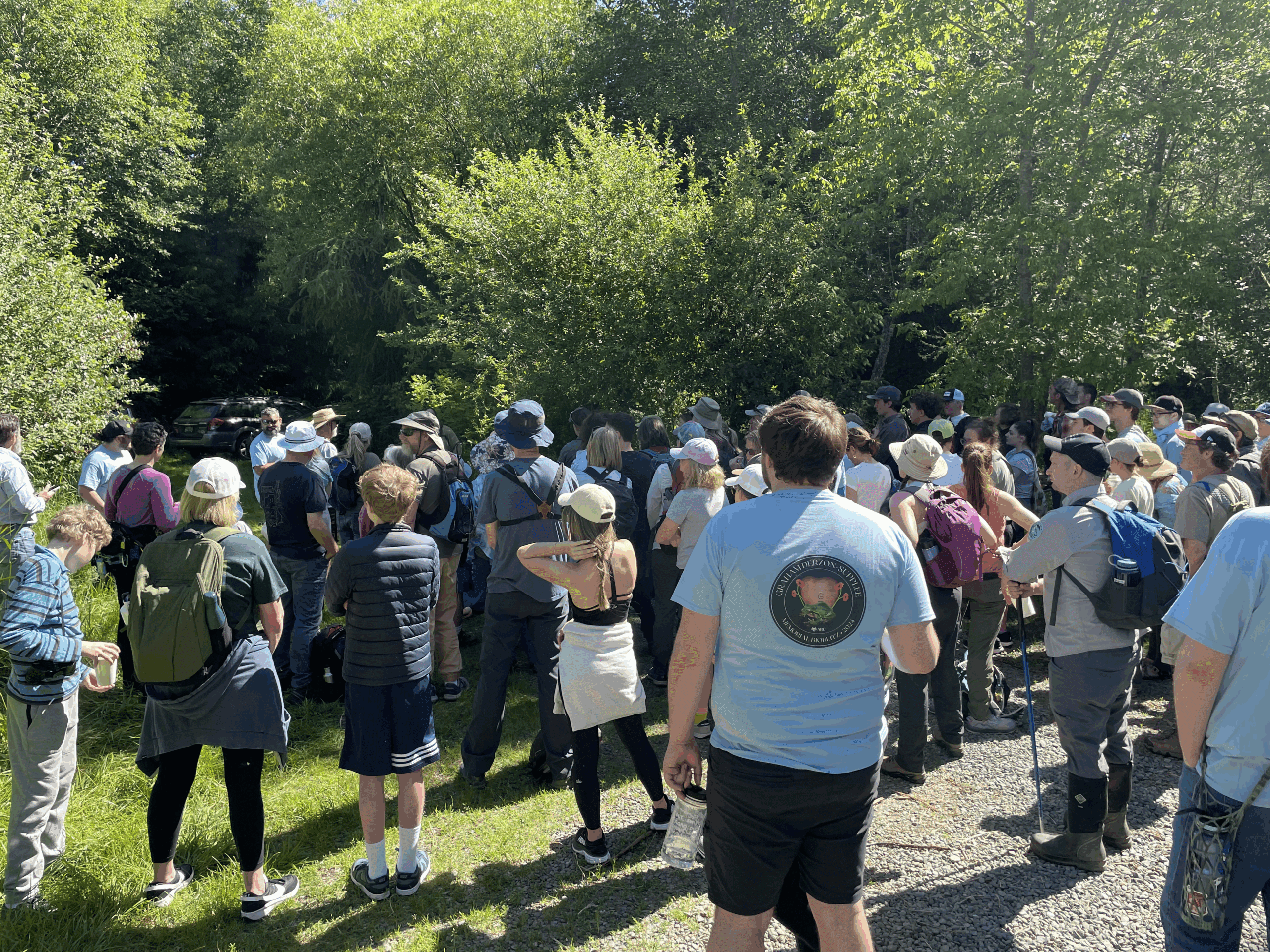
Nationwide, we work hand-in-hand with partners who share our commitment to large-scale, place-based conservation.
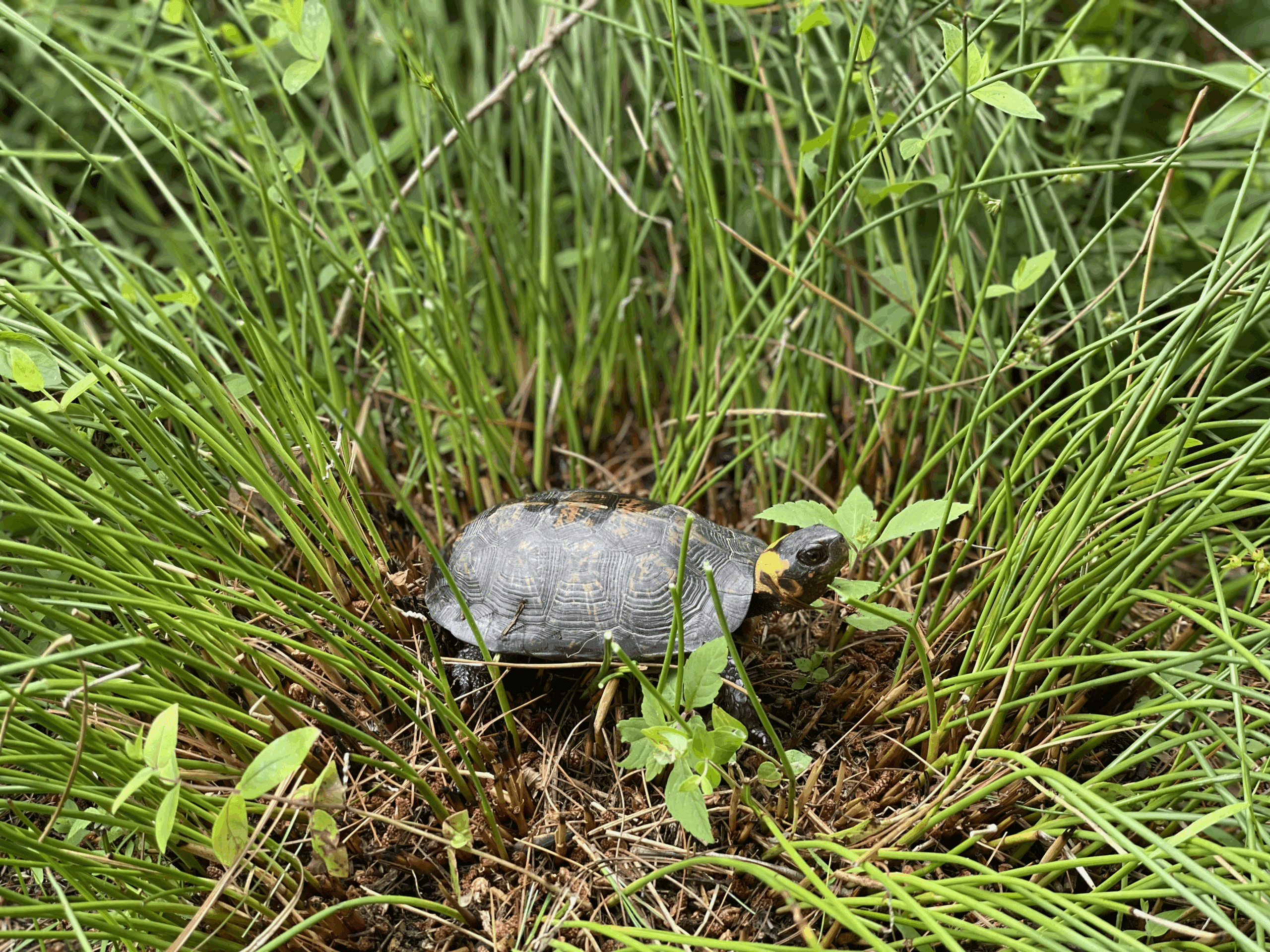
In North Carolina, our collaboration with The Nature Conservancy has spanned several of their properties and supported critical efforts for bog turtles and Hickory Nut Gorge green salamanders. Together, we’ve built a robust monitoring program, creating a deep well of knowledge about these species and their habitats.
When Hurricane Helene struck, devastating many of these same areas, this foundation allowed us to act swiftly. Armed with clear data on where populations were and what they needed, we worked alongside state agencies, the US Fish and Wildlife Service, and other partners to protect and restore the most vital habitat.
In the weeks that followed, a coordinated response focused on clearing debris, safeguarding nesting areas, and assessing damage. Thanks to continued support from The Nature Conservancy, we’ve continued to monitor these sites, helping us understand not just what was lost, but how recovery is unfolding—and how we can better prepare for future storms.
-Grace Laskey, Field Biologist
Imperiled Species Interventions
© Giedrius Kartanovic
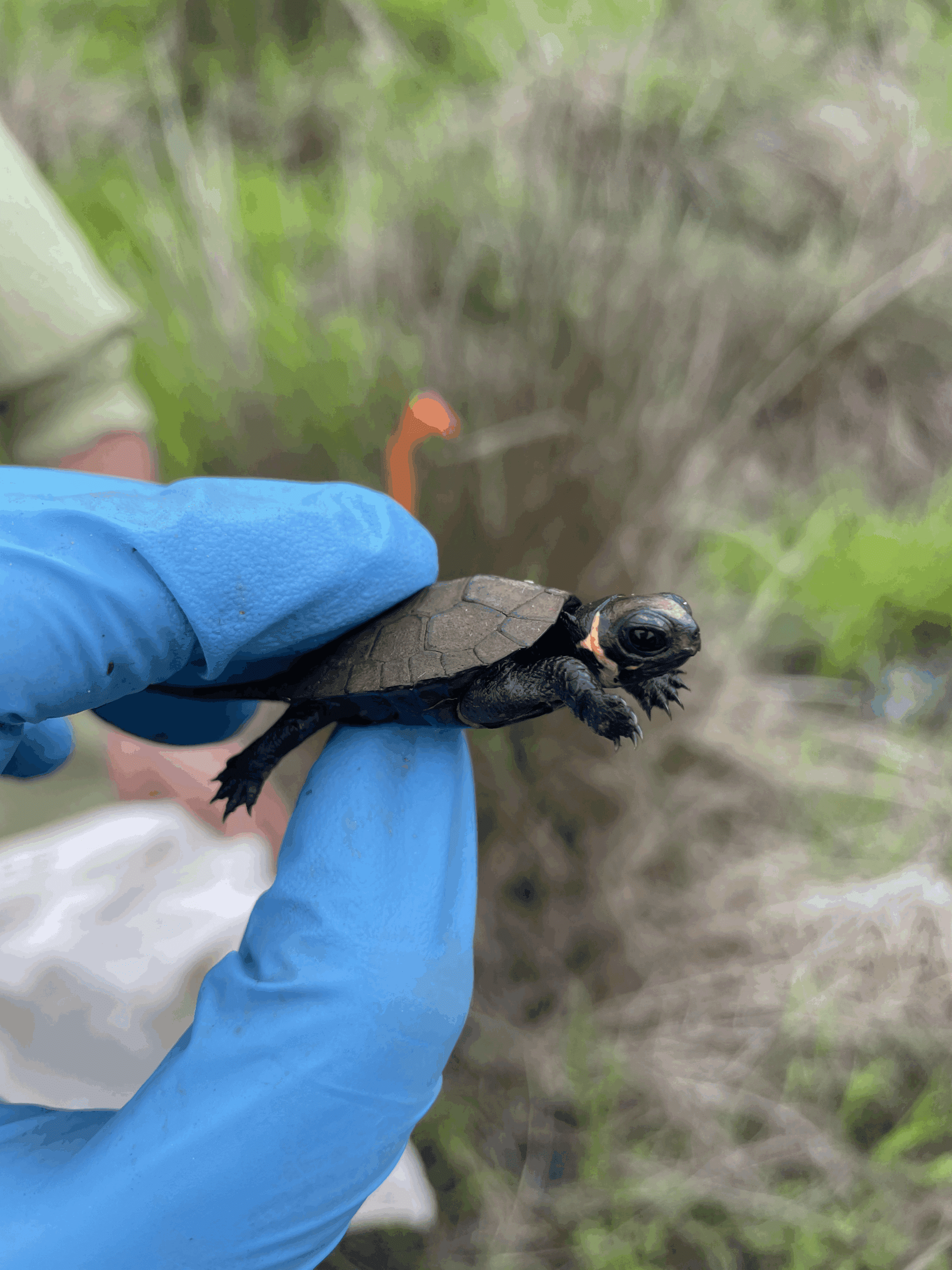
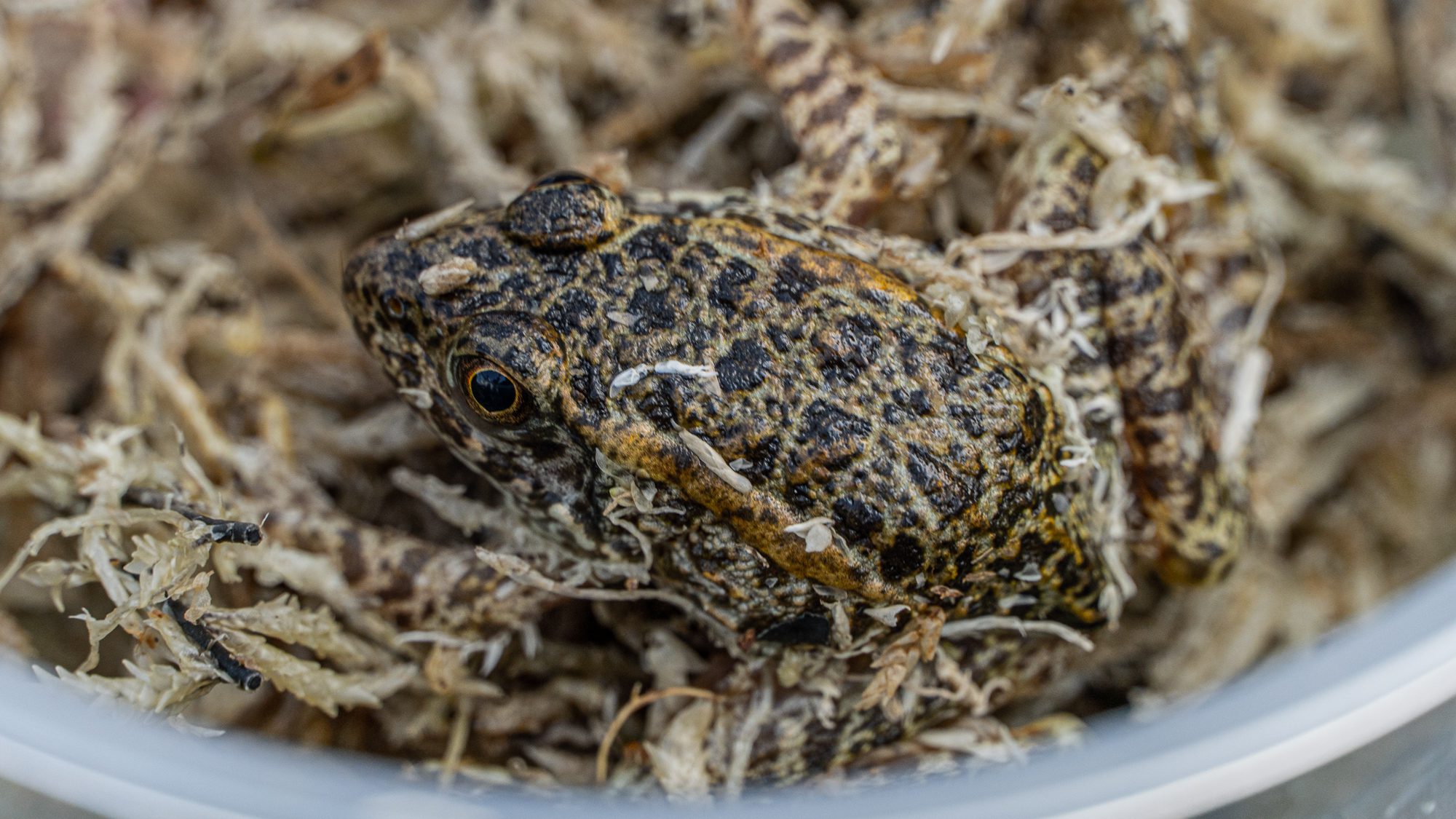
In headstarting, young animals are raised in captivity past their most vulnerable life stages and then released back into the wild. When these species are very small (or when they’re eggs), they’re especially easy targets for predators, and they’re more likely to be lost to other natural causes as well, such as drought.
Headstarting gave more than 1,500 amphibians and reptiles their best chance of survival in 2024. This work is a testament to what we can achieve when we combine strategic action, partnership, and a deep commitment to safeguarding these incredible species for generations to come.
8
Headstarting programs underway with partners
1,654
Headstarts released in 2024
A symbol of the Southeast’s shrinking wild landscapes, the Threatened frosted flatwoods salamander is one of the most imperiled amphibians in the US.
Once widespread, these beautiful, rare salamanders are now found in only a few locations in Georgia and Florida. Habitat loss, fire suppression, invasive species, and many other impacts have pushed the species to the brink. Less than three percent of the longleaf pine ecosystems they need remain, and many of the seasonal wetlands they rely on have been destroyed or degraded.
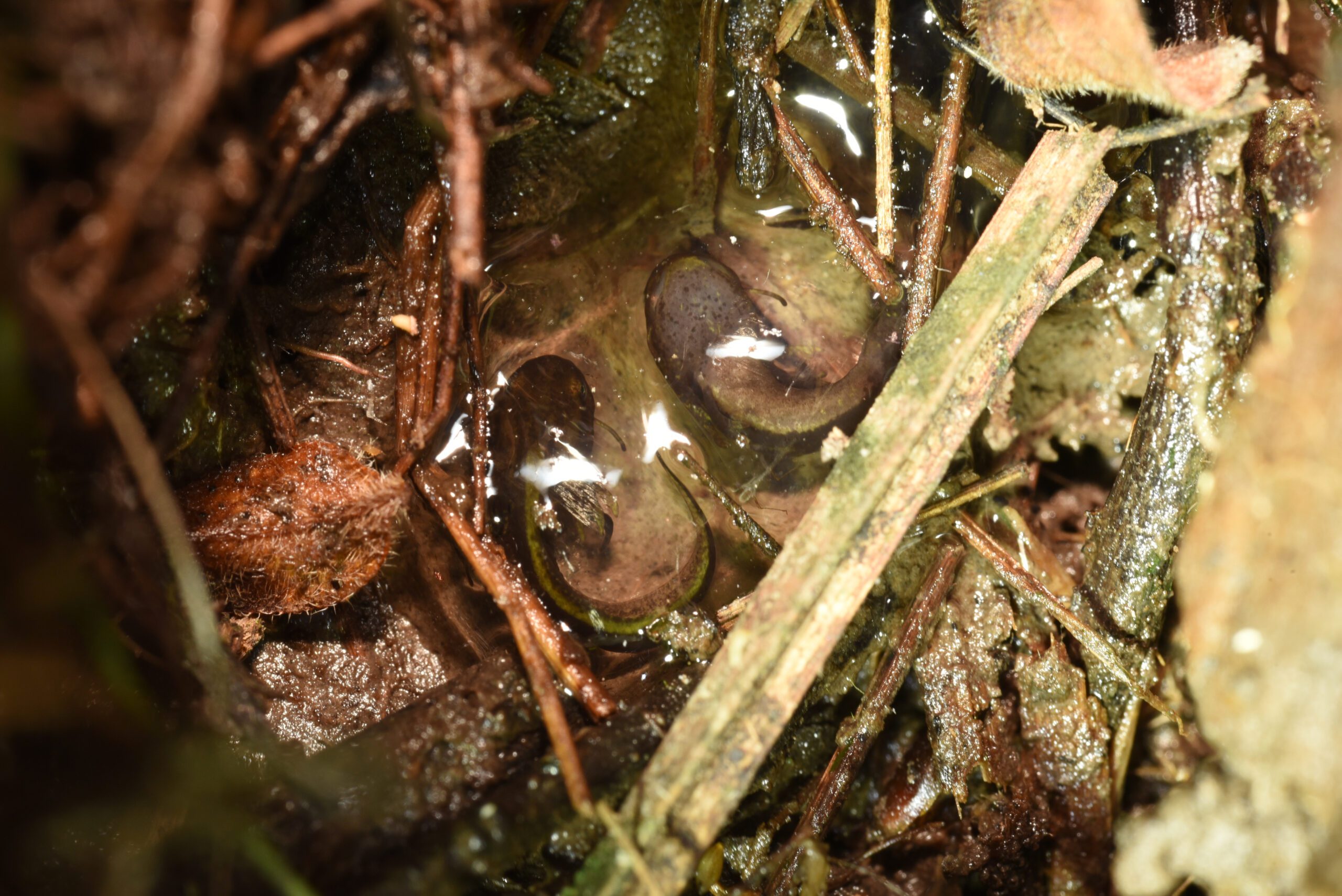
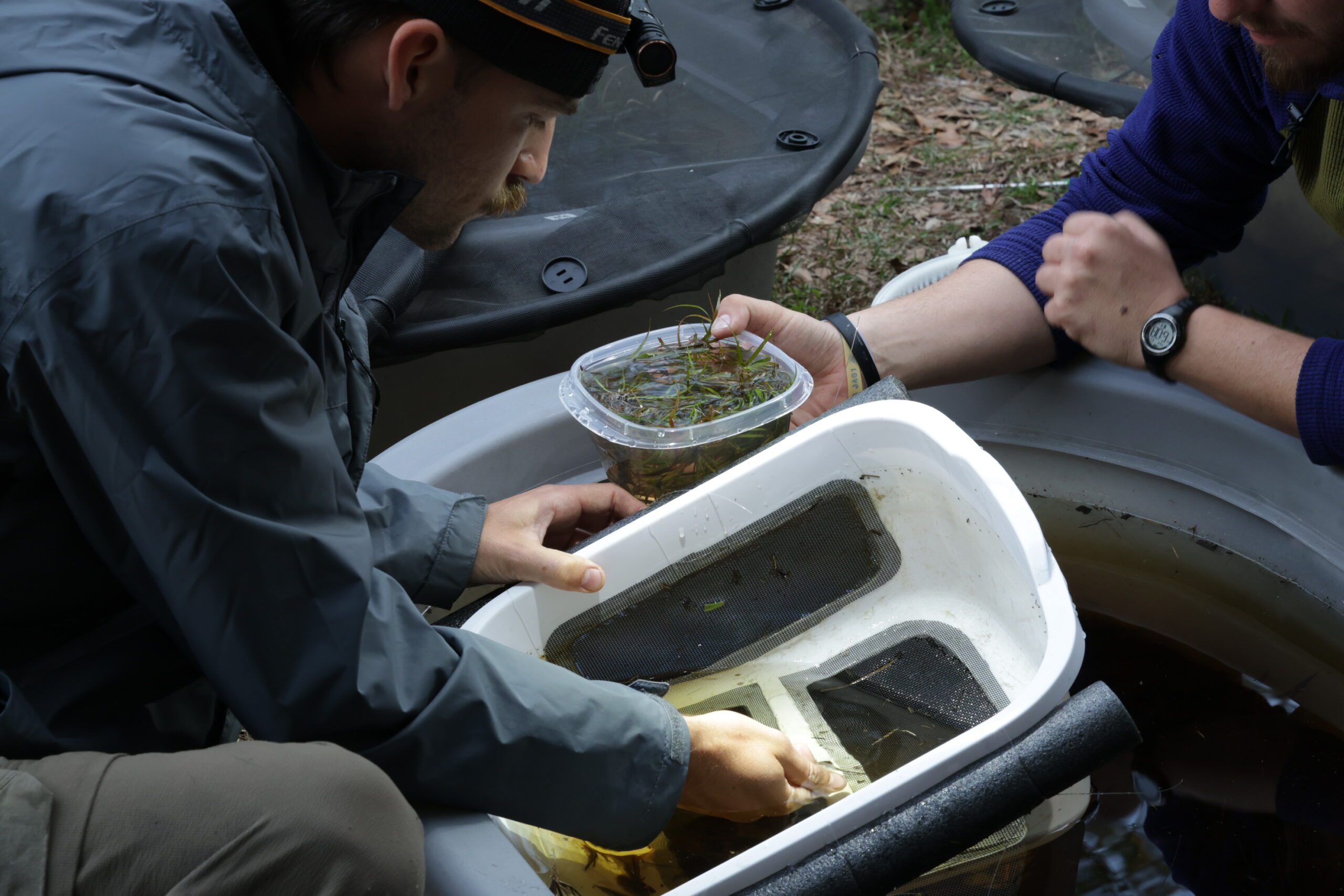
To help them cope with these trends, we’re conducting headstarting, a powerful tool to bolster their populations. Together with our partners, we collect eggs from the wild, hatch and raise them in protected conditions until they grow beyond their most vulnerable stages, and release them into restored habitats.
In 2024, we released more than 350 larval salamanders (like tadpoles) into Georgia wetlands. Plus, we expanded the program to Florida through a new collaboration with private landowners, essential partners in the fight to reestablish the species beyond public lands.
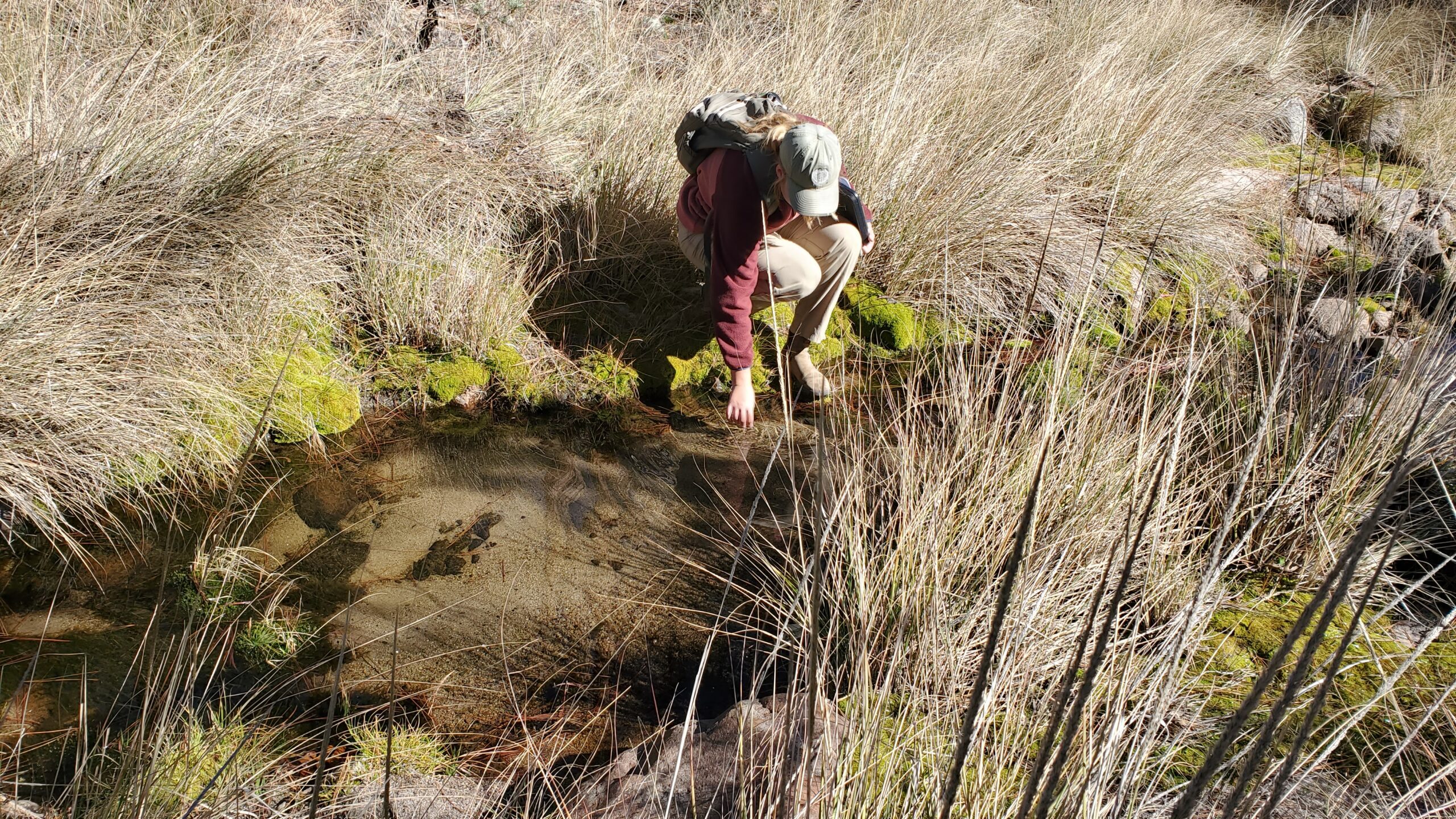
We use headstarting to provide critical short-term support while we address the long-term challenges the species faces. We’re restoring wetlands by removing overgrown shrubs, thinning trees, allowing native plants to return, and repairing the hydrology. And we continue to survey the landscape to monitor populations and search for those that may have gone undetected.
Recovery won’t be easy. Our strategy focuses on reinforcing remaining populations, locating any that remain undetected, restoring and reconnecting suitable habitats, and eventually rebuilding healthy populations across their historic range.
The frosted flatwoods salamander is an example of what we stand to lose—but also of what we can save. With continued collaboration, innovation, and strong commitment from our team and supporters, we can give this at-risk species its best chance to amble more widely across the region once again.
-Rob Tiffin, ARC Project Coordinator
Turning Big Data into Big Wins for Amphibians and Reptiles
© Sydney Sheedy
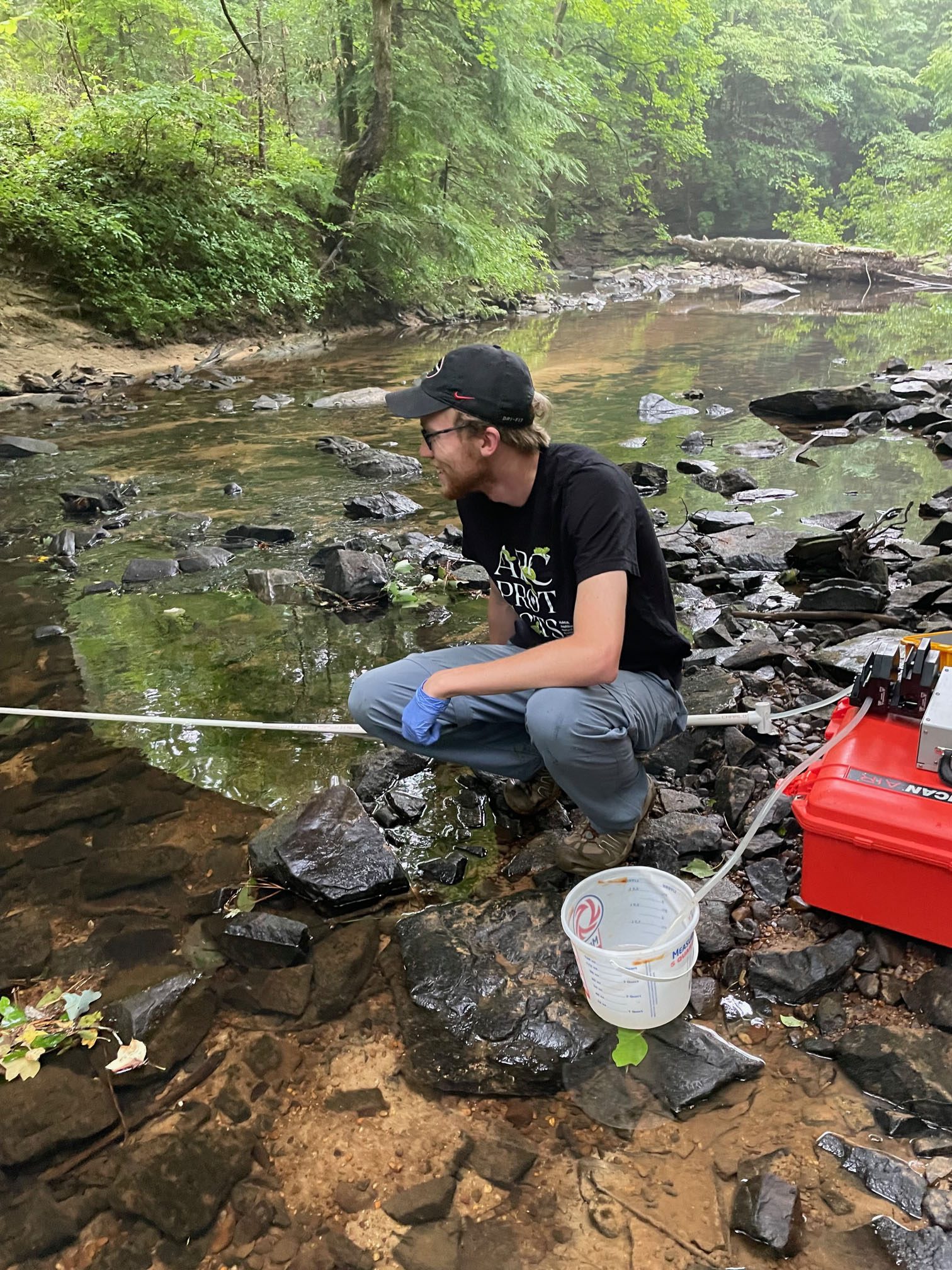
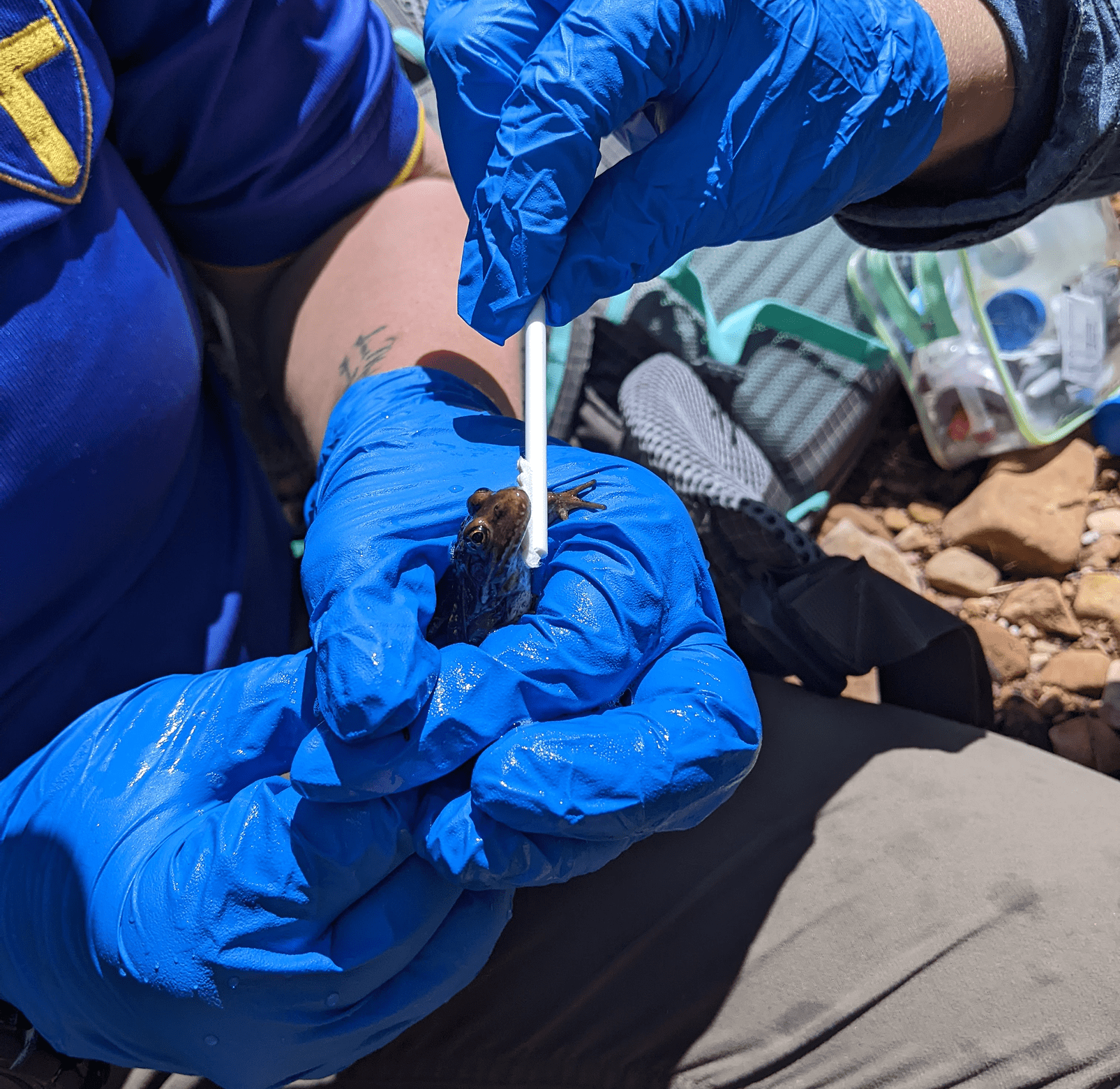
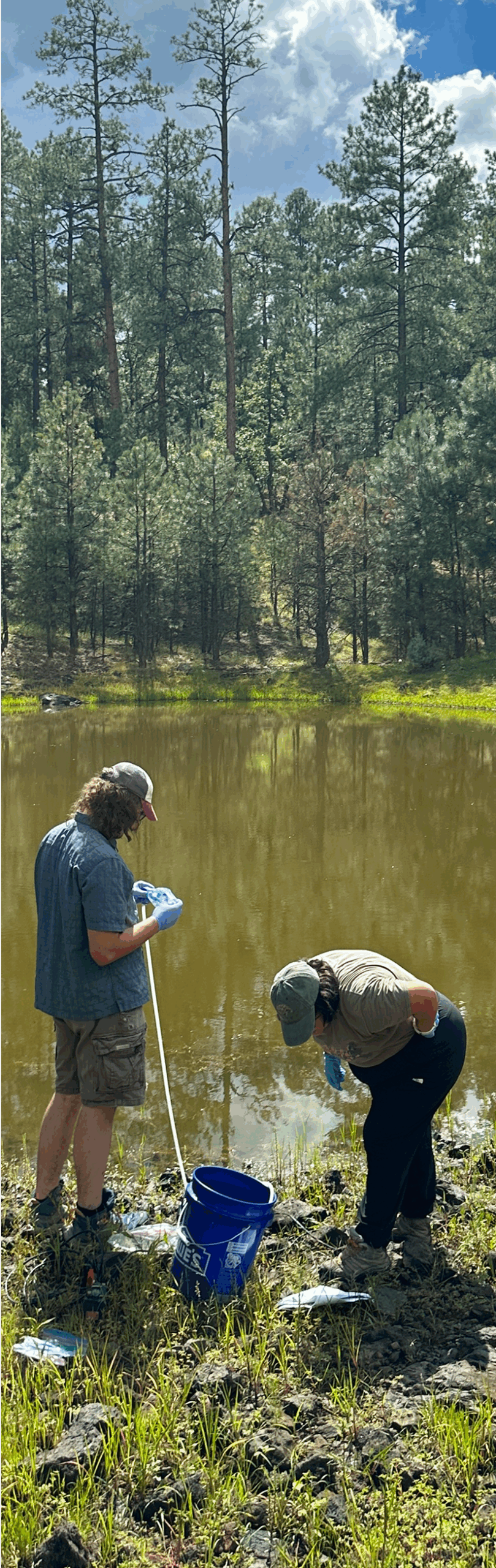
Researching and protecting rare species that hide underground and underwater is a challenge. But we’re meeting it with science and innovation and turning the resulting data into conservation actions. From cutting-edge techniques like environmental DNA analysis and species distribution modeling to relatively simple tools like camera traps and PIT tags, our methods are as diverse as the species we work to protect. These tools have allowed us to make unprecedented progress in detecting the presence of amphibians and reptiles across the country. We can’t protect and manage a species if we don’t know where it is.
Whether we’re tracking snakes through longleaf pine forests using radio signals or detecting Endangered salamanders from a drop of river water, each tool helps us better understand and safeguard vulnerable amphibians and reptiles across the country.
Together with you, we’re turning big data into big results.
25,816
Individual amphibians and reptiles detected nationwide
575
Amphibians and reptiles photographed in camera bucket traps
2,727
Amphibians and reptiles detected through eDNA
900
Frogs heard through acoustic recorders
-Rachel Brubaker, ARC GIS Landscape Analyst
Vision of What Lies Ahead
© José Garrido
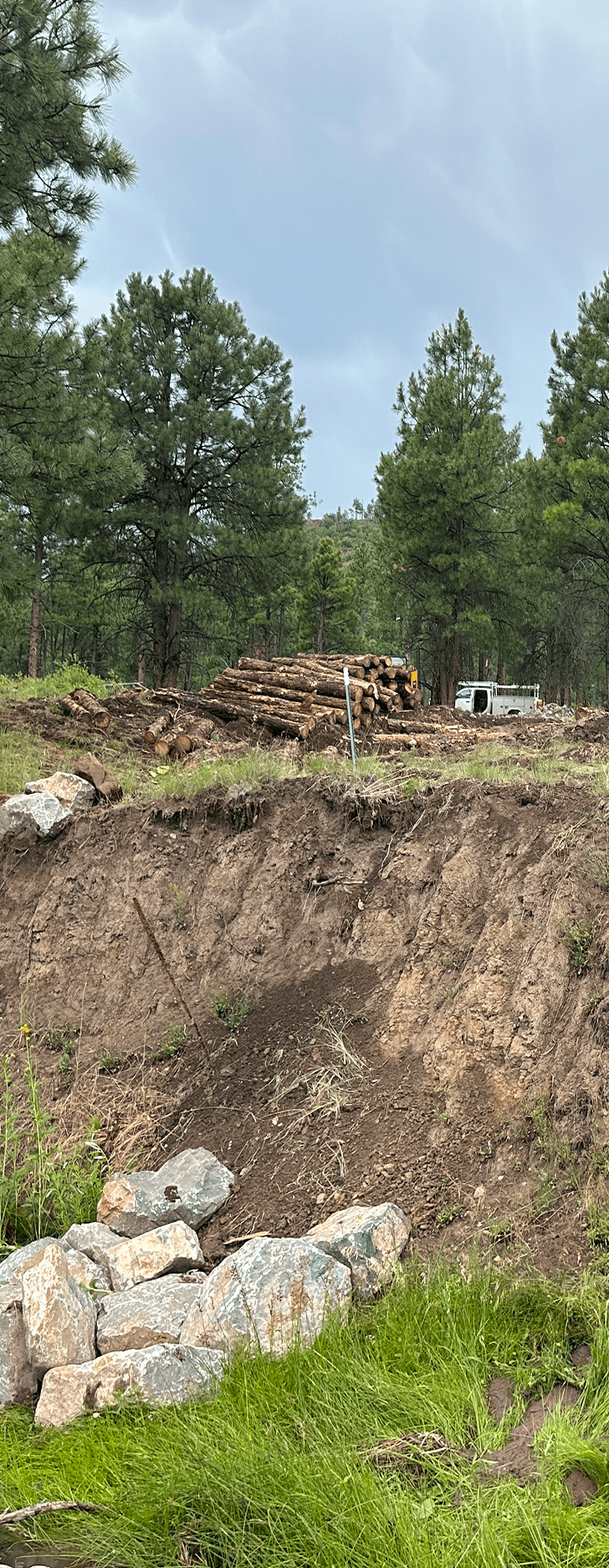
As we look to the future, many of our programs continue transitioning from the critical groundwork of monitoring and research to the work with direct, beneficial impacts on imperiled species: rebuilding habitats and populations. Across the country, we’re preparing to scale up our efforts, and several exciting new projects are set to launch.
We’re expanding population-boosting initiatives nationwide, including a new captive breeding program for the Threatened frosted flatwoods salamander to supplement headstarting efforts already underway. In Texas, the Endangered Houston toad will benefit from the expansion of a captive breeding and reintroduction program alongside our partners at the Fort Worth Zoo.
In Alabama, our Red Hills salamander program is growing, and it’s a lifeline for this Threatened species, largely due to strong partnerships with private landowners, the state of Alabama, and the US Fish and Wildlife Service. These relationships are critical for the long-term recovery of this species.
Out West, we’re launching the Mojave PARCAs program in California, Nevada, and Arizona, bringing increased conservation efforts to some of the region’s most diverse landscapes. At the same time, we’re expanding the PARCA network to new states, including Alaska and Idaho, demonstrating the power of our national strategy, implemented locally.
In California’s Transverse Ranges PARCA, we’ll be recovering several species of amphibians and reptiles in the rugged San Gabriel Mountains. These efforts underscore our dedication to preserving biodiversity in one of the most species-rich regions of the country.
Together, these programs will build on our momentum and add to the promise of the future ahead for amphibians and reptiles.
Financials: Growing ARC for a Larger Conservation Impact
© Grace Laskey
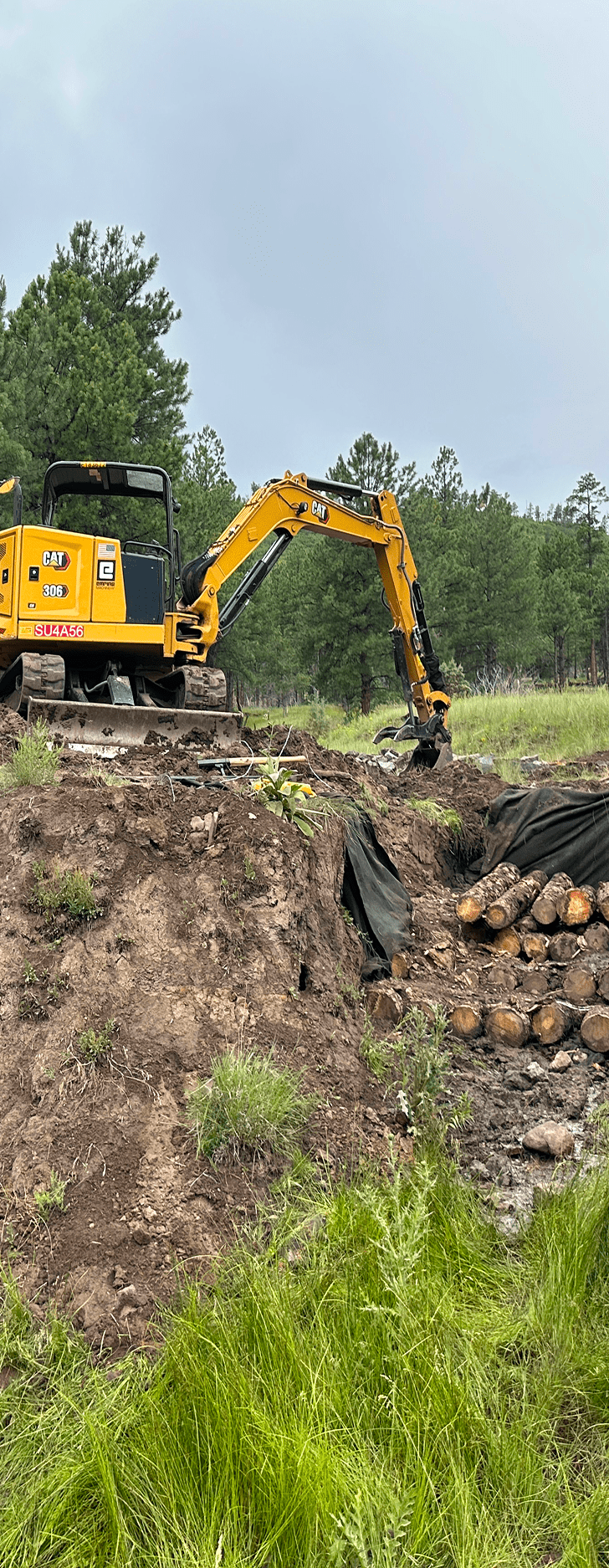
The need for amphibian and reptile conservation is tremendous and requires two things to be successful: 1. A long-term investment, and 2. A collaborative approach. At ARC, you can see this reflected in our finances. We have been focusing heavily on growing our ability to make the necessary investment into the future of amphibians and reptiles and the habitats they depend on. This effort not only results in more impact on the ground but also in our ability to stay committed to our conservation efforts over time.
Further, our funding model reflects that we have diversified our revenue sources and have effectively created partnerships with foundations, government agencies, individual philanthropists, and other sources to maximize impact across landscapes and species.
In 2024, this approach allowed us to expand habitat restoration and protection efforts, strengthen science-based actions for imperiled species, and deepen collaborative conservation programs with our partners.
We’re committed to financial transparency and accountability. ARC holds the highest ratings from the most trusted charity rating services: Four Stars from Charity Navigator and the Platinum Seal of Transparency from Candid. All of our financials are reviewed through independent audits.
Financial Overview: Growth from 2022 to 2024
Revenue Sources: 2024
Revenue
Amount
Revenue
Foundation Grants
Strategic Investments and Growth Areas
Our exponential financial growth over the past three years reflects our evolution from a small nonprofit to a national leader in amphibian and reptile conservation. Key drivers include:
- Scaling of on-the-ground PARCA programs
- New multi-year public-private partnerships
- Increased investment in staff, project management, and field operations
- Investments in long-term field equipment to enhance our capacity
- Enhanced communications, donor engagement, and fundraising systems
Looking Ahead
With a robust financial base and expanded national footprint, we’re positioned to:
- Create new impact-driven PARCA programs
- Launch and continue new landscape-scale conservation initiatives
- Deepen partnerships with state and federal agencies
- Invest in data-driven recovery of threatened species
- Elevate national visibility for amphibian and reptile conservation
Giving: Supporting a Thriving Future
© Ab Abercrombie
We extend our sincere gratitude to the individuals, foundations, and other partners who make our work possible. Every gift supports meaningful, on-the-ground conservation of reptiles, amphibians, and the habitats on which they depend.
Scaling up in 2024
The Scales Sustainer Society was formed in July 2024 to give donors a new way to invest in the conservation of amphibians and reptiles. Scales Sustainers provide crucial, sustained funding that allows ARC to plan and implement impactful long-term conservation programs with an eye toward the future. By pledging not only current but future support, this group provides a key base of funding that can be used not only for project planning but also for securing additional gifts from foundations and public sources.
Scales Sustainers enjoy personalized updates from the field and invitations to events in their area, when available. They have quickly become special friends of ARC, and we are grateful for their meaningful commitment to the protection of amphibians, reptiles, and the habitats on which they depend. To become a Scales Sustainer, visit ARCProtects.org/scales-sustainer.
-Linwood Watson
By JJ Apodaca, Executive Director
Since I have been involved with ARC, we could always count on one thing: the support and encouragement of Dr. Rich McLellan. I am lucky to remember Rich as a friend and mentor. The world lost Rich in 2024, but his legacy will live on through those, like myself, whom he inspired and, in many cases willed, into conservation action.
While I am deeply saddened by his departure, in his last email to me, Rich laid out a beautiful take on why we should not mourn him. His note perfectly captures his unique vision and passion for life and his compassion for others; he sent this as he was checking in on me, my family, and our staff after my community was devastated by Hurricane Helene, even as he faced the end of his own life.
He said: “You should not mourn my passing…I have been one of the most fortunate individuals to have ever lived. I have traveled the world and sailed the oceans extensively. I have healed people and fought for justice for animals and the environment. I have left a small legacy to reverse some of the damage done by my frontier family. When you choose to do good work, you have good people by your side.”
We at ARC are lucky to have been some of those people by his side doing that work.
Rich was one of ARC’s earliest and largest supporters and believed in our mission and our potential before nearly anyone else. And for that, we are eternally grateful.
His last gift to ARC will allow us to expand our PARCA work into California and establish a new program in the same mountains that his family first saw in the 1840s and that he looked out onto his entire life. We will be working to use that gift to restore several species of amphibians and reptiles within the Transverse Ranges PARCA.
Rich is survived by his beloved wife Judy and his legacy of conservation, which includes several organizations that he founded that focus on policy and on-the-ground conservation, including Rewind Rhino Extinction and the Sally Judith McLellan Wildlife Foundation.
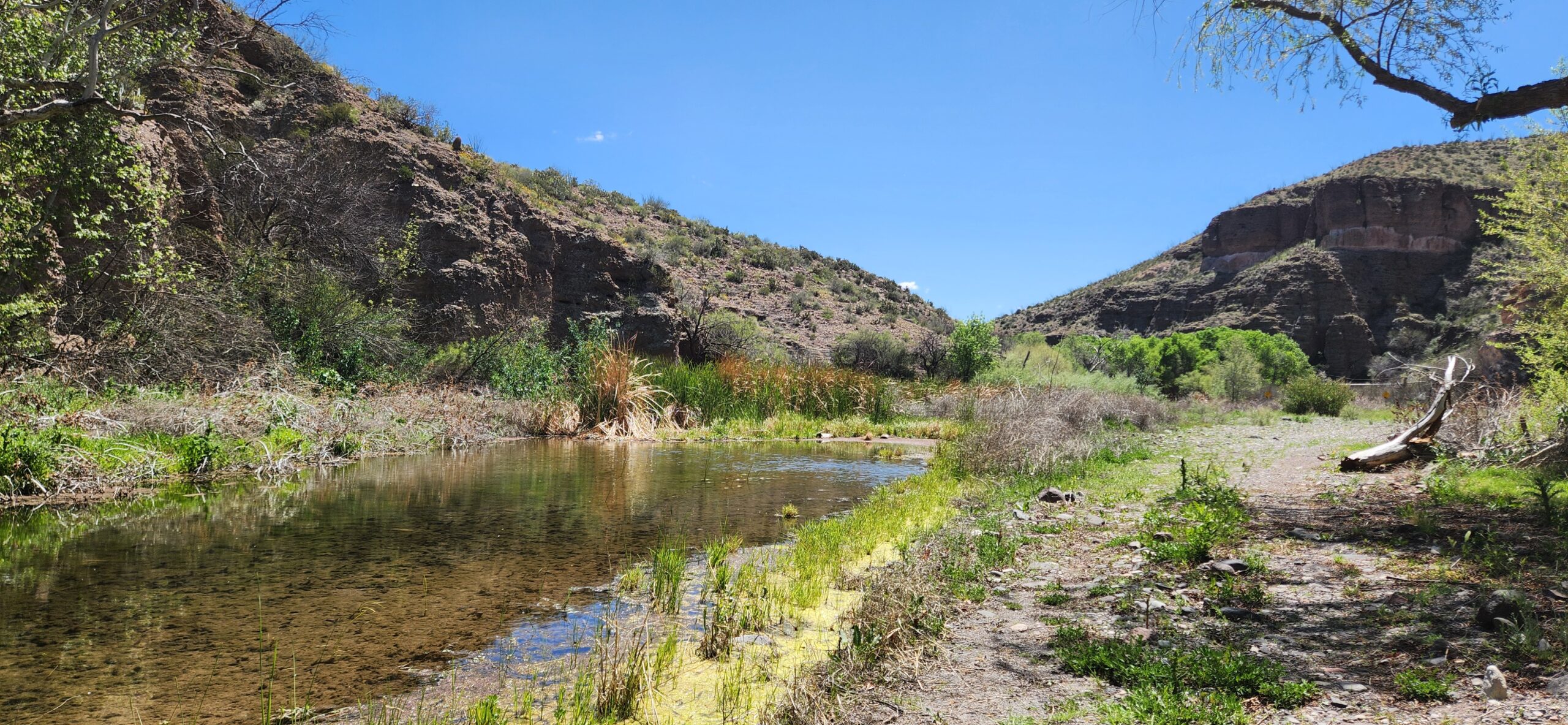
How You Can Help
© Nicole Dahrouge
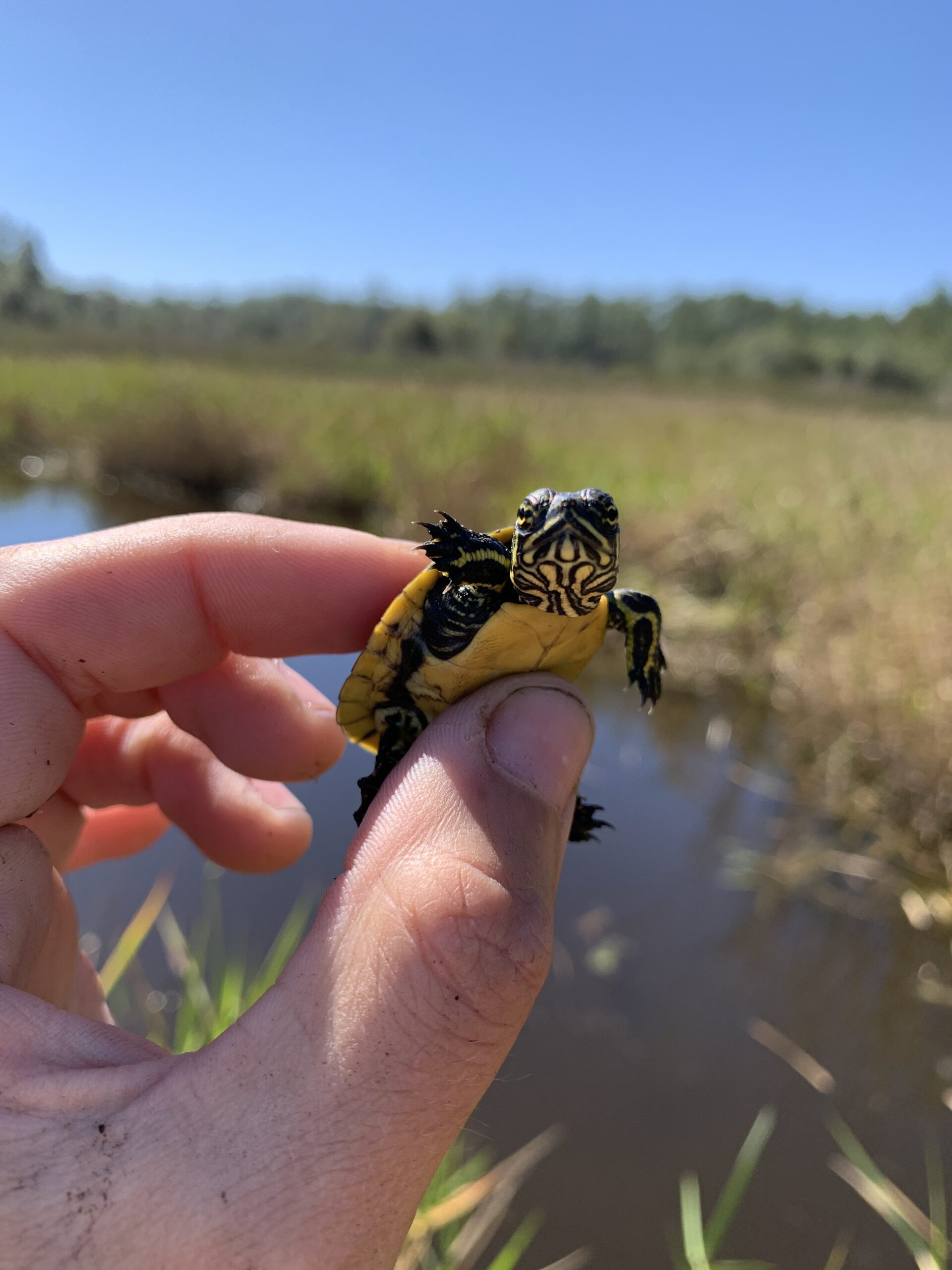
By donating to ARC, you are investing in effective, science-based conservation action. Using the PARCA model, our biologists manage projects and programs that restore habitat, recover vulnerable species, and build community partnerships to ensure long-term sustainability.
Your gift makes it possible to marry national strategy with local action, creating meaningful impact on a large scale. ARC is implementing targeted actions for vulnerable species in PARCAs across the country with ambitious plans for expansion into areas where it is needed most. A variety of giving opportunities are available at ARCProtects.org/contribute.
Thank you for your support!